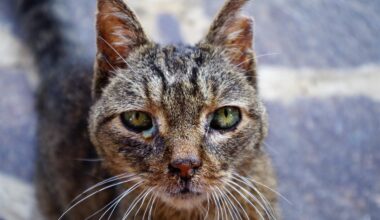

Role of Quarantine in Controlling Feline Calicivirus
Feline Calicivirus (FCV) represents a serious challenge for cat populations globally, known primarily for causing respiratory problems and other health issues in felines. The contagion rapidly spreads among cats, making it essential to implement strict quarantine measures to control its transmission. By isolating affected animals, shelter workers and pet owners can effectively reduce the risk of spreading FCV to healthy cats. Additionally, quarantine helps veterinarians observe and treat sick cats without risking exposure to the broader population. During quarantine, consistent monitoring of signs and symptoms is crucial. It enables timely medical intervention, which can significantly improve the prognosis for infected cats. Quarantine also plays a vital role in studying the virus, allowing researchers to gather data on its strains and responders. Disinfecting quarantine areas frequently decreases the likelihood of FCV spread within shelters. Proper cleaning protocols include the use of antiviral agents effective against FCV. Quarantine isn’t only about isolation; it also entails educating pet owners on the importance of vaccinations against FCV heralding a preventative approach. Awareness can lead to better health and a proactive community response.
Routine vaccination against Feline Calicivirus greatly mitigates the impact of the disease, where quarantine works as an additional precaution. Vaccination helps bolster the immune systems of cats, providing them the resilience needed to combat infections. Recommended vaccines generally boost immunity against the most common strains of FCV. With the combination of vaccination and quarantine, cat owners can significantly reduce the incidence of outbreaks in multi-cat households or shelters. Since FCV can remain dormant in some cats and still be shed intermittently, understanding quarantine protocols becomes critical. Quarantine periods may last from seven to fourteen days, depending on the exposure risk. During this time, the affected cat should be kept in a confined space, away from others. Additionally, it is essential to keep the quarantine clean and hygienic. Should any signs of illness appear in other cats, prompt veterinary consultation is recommended. Control efforts become more effective when informed strategies, such as quarantine and vaccination, are combined. Community awareness also amplifies the effectiveness of these measures, fostering a tradition of responsible pet ownership towards managing Feline Calicivirus.
Notably, strong communication between shelters and veterinarians is vital in managing Feline Calicivirus outbreaks. Shared protocols regarding quarantine can enhance overall effectiveness, uniting efforts towards controlling the disease. The essential first step involves identifying infected cats and segregating them immediately for monitoring. Veterinarians should provide guidance on the appropriate handling of infected cats. Moreover, shelters need to train staff on best practices during quarantine, including recognizing symptoms and following proper hygiene protocols. Education of the public regarding FCV helps elevate consciousness surrounding cat welfare, promoting responsible pet ownership that includes routine health checks and vaccinations. Shelter programs often emphasize outreach, helping owners understand signs of illness that require immediate attention. As a preventive measure, it is critical to provide cat owners with information on dilute bleach solutions and other disinfectants. These cleaning agents are proven effective against FCV, and sharing this knowledge ensures safer environments for all cats within homes or shelters. The recurrence of FCV outbreaks in community cat populations underscores the role of effective communication in disease prevention through shared knowledge and cooperation.
Behavioral Insight and Quarantine Protocols
Understanding feline behavior under quarantine provides insights into how cats experience stress during isolation. Cats are creatures of habit and often thrive in stable environments. During quarantine, changes in routine may lead to anxiety, affecting their overall wellbeing. Providing adequate enrichment and comforting items can alleviate some of these stresses. It’s crucial to maintain a quiet and calm environment, allowing infected cats to gradually adapt to their surroundings. Additionally, handlers should approach quarantine in a gentle manner, employing soft voices and slow movements to prevent further anxiety. Familiar items can include blankets or toys that provide comfort, ensuring the cat retains some semblance of normalcy. Adjustments to feeding schedules should also be made to ensure that the cat is supported physically during this time. Regular positive interactions can assist in reinforcing a sense of security. Additionally, staff handling quarantined cats should keep a record of behavioral changes to monitor any additional health concerns. Recognizing the feline need for companionship and comfort can ultimately support healthier quarantine settings, facilitating better recovery from Feline Calicivirus.
In conjunction with behavioral considerations, the role of monitoring health indicators during quarantine cannot be overstated. Felines often exhibit subtle signs of distress or illness that require vigilant observation while quarantined. Health indicators such as appetite, dehydration, weight loss, or lethargy may indicate the progression of FCV. Assessing vital signs, including temperature and respiratory rates, can be essential in tracking the health status of quarantined cats. Such preventive measures typically minimize the impact of FCV and decrease the likelihood of severe symptoms developing. Staff should ensure that resources are available for conducting these assessments daily. Moreover, recommending routine health checks reinforces a culture of health awareness among pet owners. Engaging with pet owners in proactive discussions about symptom recognition fortifies their role in monitoring their cats. Supportive care, including hydration and nutritional management, aids infection recovery. Feline healthcare resources can provide guidance on maintaining health continuity. By establishing such protocols, not only does this supremacy help control potential outbreaks, but it also cultivates a responsible community committed to feline wellbeing and proactive disease management.
In conclusion, effective quarantine of Feline Calicivirus comprises several aspects: education, communication, and empathy. Leveraging these components allows better control efforts and enhances the health outcomes for affected cats. A community collectively understands the significance of responding to any cases promptly, accompanied by what preventative measures to adopt, has a greater chance to safeguard cat welfare. Vaccination is central for immunity building, whereas isolation safeguards against the spread to healthy cats. It’s essential for pet owners to collaborate with veterinarians and shelters towards mitigating the impact of feline diseases. Clear guidelines on introducing cats to households can further strengthen the health of both existing pets and newcomers. Establishing quarantine and vaccination protocols will contribute vital strategies in a larger conversation about public health and responsible pet ownership. More than just establishing procedures, it requires cultivating compassion for the animals involved. Cats, being social animals, deserve environments that consider their emotional health alongside their medical needs. Balancing isolation with comfort can lead to better recovery for infected cats, exemplifying how quarantine serves a necessary function in preserving feline health.
Ultimately, controlling Feline Calicivirus necessitates a multifaceted approach grounded in understanding and practical measures. Educating cat owners about FCV empowers communities to engage in caring practices that prevent outbreaks. As practices improve, cat owners become better equipped to recognize symptoms early, facilitating timely interventions and isolation when necessary. Building personal connections with veterinarians allows owners to establish trust, ensuring that they seek help when they need advice regarding their cats’ health. Collaboration with shelters enhances communication pathways, improving the effectiveness of FCV control strategies. Furthermore, using community outreach programs can help bridge gaps in knowledge and create support networks around pet health. This engagement enriches community ties and strengthens collective efforts towards disease prevention. Reflecting on these strategies emphasizes the essential nature of acting responsibly and compassionately with our feline friends. A united front in managing Feline Calicivirus will cultivate resilient feline populations and healthier communities overall.
As we strive to enhance feline health through measures like quarantine in Feline Calicivirus cases, it remains important to analyze the socio-economic aspects involved. Many cat owners lack access to veterinary services, hindering their ability to obtain vaccinations and proper health care. In an ideal setting, financial and educational resources would be made accessible to low-income households. Implementing community programs can offer subsidized vaccination initiatives or vaccination drives, taking care to provide comprehensive educational material concerning cat health and disease prevention. Making veterinary care affordable ensures more cats get the support they need, thus lessening the overall burden of infectious diseases within communities. These socio-economic considerations remind us that controlling a virus such as FCV transcends mere health interventions. It necessitates collaboration among different sectors, including public health, community service organizations, and veterinarians. Engaging stakeholders can lead to improved policies that foster health equity while addressing the unique challenges faced by various demographics. Behind every health statistic lies a story, emphasizing the need for holistic approaches to ensure all cats live healthy, enriched lives free from disease.