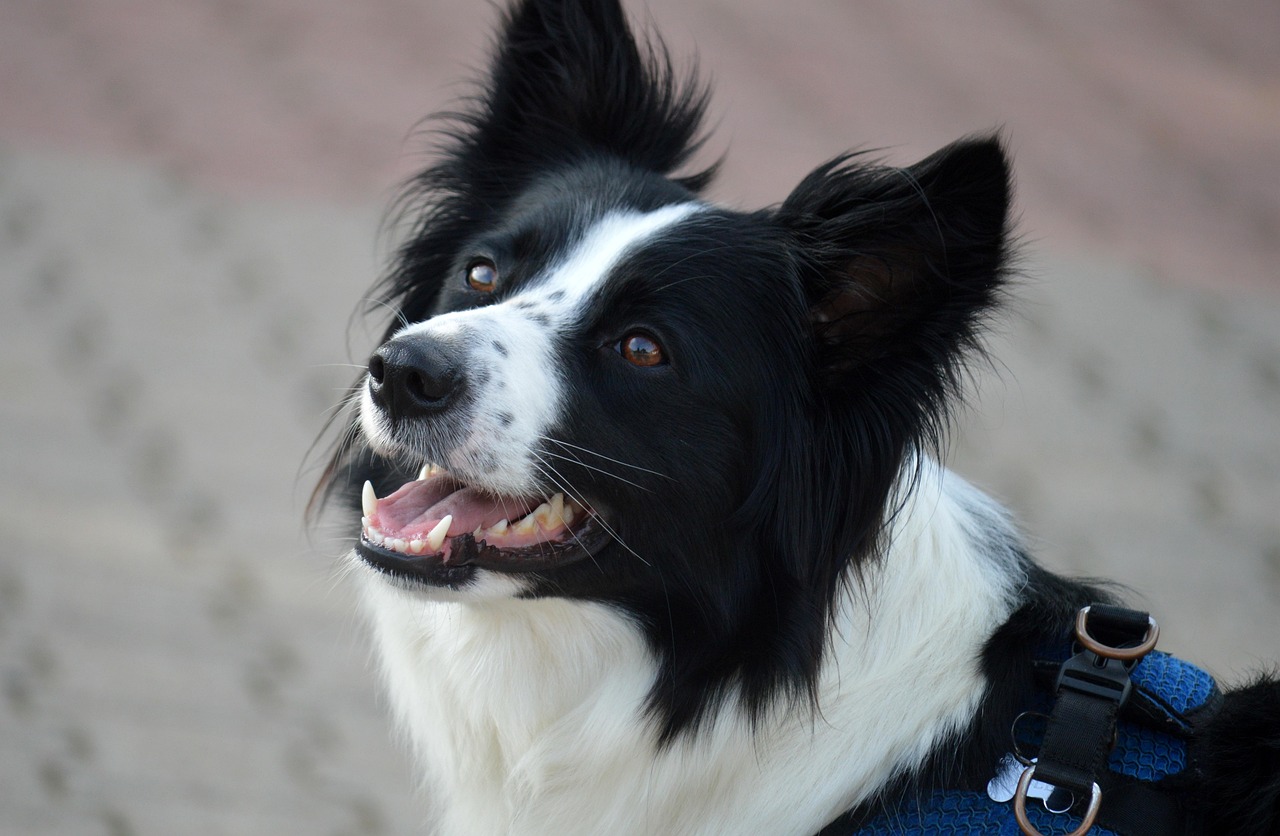

Safe Transport Tips for Adopted Dogs During Emergencies
When an emergency occurs, ensuring the safety of your adopted dog is crucial. Emergencies like natural disasters can be stressful for both pets and their owners. Planning ahead can alleviate anxiety and keep your furry friend secure. Start by assembling an emergency kit specifically for your dog. This kit should contain essential items such as food, water, medications, leash, collar, and a current photo of your pet. Identify a safe location where you can take your pet in case of an evacuation. Keep your dog’s records, including vaccinations and microchip information, easily accessible. If possible, practice transporting your dog to familiarize them with a carrier or vehicle. Safety can also be enhanced by ensuring your dog is comfortable during travel. Consider using a well-ventilated crate or a secured seatbelt harness. Additionally, keep your dog on a leash once you reach safety, as their instincts might kick in during chaos. By taking these proactive steps and familiarizing your dog with travel, you’ll improve their chances of remaining calm and collected during an emergency. Always remember, your dog relies on you for their wellbeing, especially in stressful situations.
After establishing a transport plan, ensure that your adopted dog is appropriately identified. Microchipping your dog is a great option, as it provides a permanent identification method. Ensure to update contact information linked to the microchip. In emergencies, tags can easily become lost; thus, having a microchip serves as a reliable backup. Create a temporary dog identification tag with your contact details in case you get separated. Attach this to your dog’s harness or collar for easy access. Before any emergency strikes, familiarize your dog with being on the move. Take them for regular car rides to help them adjust to confinement in a carrier. This exposure can help reduce anxiety during actual transport. Also, consider carrying comfort items in the emergency kit, such as favorite toys or blankets. Familiar scents often provide reassurance. It’s crucial to supervise your dog during travel to ensure they do not attempt to escape or get injured. Praise them during the journey to maintain a positive mindset. These practices help create a smoother experience during emergencies for both you and your beloved adopted dog. Continuous training in various environments can enhance their transport readiness.
Preparedness Builds Confidence
A key aspect of emergency preparedness is confidence building, which benefits both you and your adopted dog. Start by exposing them gradually to various noises and situations that mimic what they might experience during a real emergency, like thunder sounds or crowded places. Use positive reinforcement techniques to reward your dog for remaining calm and composed during these exercises. Engage in short but frequent training sessions to create a bond of trust and teamwork between you and your dog. This way, your dog learns to rely on your cues, enhancing confidence in stressful situations. Practice loading them in and out of the vehicle or crate until they feel entirely at ease. Frequent practice prepares them mentally and emotionally for any transport needs during an emergency. Another vital element in this process is to foster socialization with other pets and people. A well-socialized dog is usually calmer during unexpected circumstances, reducing panic responses. Being prepared with this level of familiarity with the surroundings enables a smoother transition during emergencies. Your patience and commitment to training will pay off when needed most. An established routine can make all the difference in maintaining composure when emergencies strike.
In the aftermath of an emergency, monitor your adopted dog closely for any signs of stress or anxiety. Changes in behavior can often signify emotional turmoil, meaning it’s crucial to provide a calming atmosphere. A clear routine is beneficial during recovery. Ensure your dog feels secure and loved by providing plenty of affection and comfort. Create a quiet space where they can retreat if they feel overwhelmed. As an additional measure, consider integrating relaxation exercises into their daily routine, like gentle massage or calming music specifically designed for dogs. These methods significantly help in alleviating stress, providing your furry friend with reassurance. Additionally, engaging your dog in light play can divert attention from stressful memories. Regular physical activity can help manage anxiety levels effectively. If you notice persisting behavioral changes, consult a professional dog trainer or veterinarian for guidance. Your adopted dog’s well-being should always be a priority. Continuing to work together will foster resilience, making them more adaptable to unexpected situations. Therefore, prioritizing their mental health during and after emergencies paves the way for a happy and healthy pet experience. Building a stable bond will last throughout your dog’s life, ensuring they remain cherished and secure.
Travel Safety Gear
Using appropriate travel safety gear can significantly enhance the safety of your adopted dog during an emergency. A secure, well-fitted crate is vital to ensure your dog stays protected while traveling. Crates not only provide safety but also comfort during transport, serving as a refuge. Familiarize your dog with the crate before emergencies arise. Practice short trips to help them associate the crate with positive experiences. If you’re using a vehicle, consider investing in a specialized seatbelt harness designed for pets. These harnesses are incredibly beneficial in the event of sudden stops or accidents, keeping your dog securely in place. Always secure your dog in the back seat, which is the safest spot for pet transport. The front seat poses risks related to airbags and sudden movement. Additionally, a crash-tested pet carrier added to your emergency kit can provide extra protection on the road. Making your adopted dog feel secure and familiar during travel is crucial. Many dogs naturally feel uneasy during transport; providing a comforting experience lowers their anxiety. Remember, creating the right environment can make all the difference in emergency situations.
Using calming aids can also be effective in managing your dog’s stress during travel in emergencies. Products like calming collars, which release soothing pheromones or gentle anxiety wraps, can provide comfort during transport. The underlying principle is to create a sense of security for your dog when facing chaotic situations. Moreover, consult your veterinarian for recommendations on safe calming supplements or medications if your dog has heightened anxiety levels. Speak with your vet about the best approach for your pet’s needs. You might also consider familiar scents from home, like a blanket, as comforting triggers during travel. It’s a simple but effective way to ease your dog’s anxieties. Keep an eye on their behavior and body language; observe how they respond to various strategies. Ensure your adopted dog has reliable access to water during travel, especially if evacuating for extended periods. Hydration is vital in stressful situations, helping maintain overall health. Address your dog’s behavioral responses by preparing practical strategies. Not only will these measures ease specific concerns, but they also showcase your dedication to your dog’s wellbeing. With diligence and care, navigating emergencies together can solidify your cherished bond.
Post-Emergency Recovery
After facing an emergency, be prepared to manage the recovery phase with your adopted dog diligently. Focus on dedicating time to address any residual psychological effects of the experience. Familiarize yourself with signs indicating your dog feels anxious or unsafe, and recognize when they may need additional reassurances to come back to normalcy. Routine is key; re-establishing familiar daily habits can significantly aid your dog’s emotional recovery. Maintain regular feeding times, exercise schedules, and ensure their environment remains consistent and unchanging. This stability helps to reinforce their sense of security and belonging. Create new memories after the traumatic experience by engaging in positive activities like exploring new outdoor settings or introducing gentle enrichment games at home. Use caution in crowded situations until your dog demonstrates comfort and confidence. Dogs with heightened sensitivity might need additional support in public environments. Through gradual reintroduction and consistent support, you can help your adopted dog overcome their fears and anxieties. Strengthening your bond through shared experiences during recovery can also cultivate resilience in handling future emergencies. Practicing patience and love ensures that the journey ahead remains a harmonious one.
Finally, consider joining or researching local pet-focused emergency preparedness groups. They can provide valuable resources and community support for managing emergency situations effectively. Engaging with fellow pet owners can offer insights into what practices have worked well for others. Furthermore, networking within these communities fosters a mutual understanding of responsible pet ownership in crisis scenarios. Sharing experiences and safety tips enhances everyone’s readiness during unexpected situations. Ensure you are informed about local evacuation routes and shelters that accept pets to ensure that you can quickly get to safety. It’s crucial to stay informed about potential emergencies relevant to your area. Regularly reviewing your emergency plan is also important to ensure that it remains up-to-date and that all necessary preparations are in place, allowing a seamless response regardless of the situation. Knowing your adopted dog will be safe in your hands provides peace of mind. Remember, staying proactive about preparedness fosters confidence not only within you but also in your dog. Your efforts will pay off in times of crisis, ensuring that you and your furry family member navigate through emergencies smoothly, making it another chapter in your shared journey.