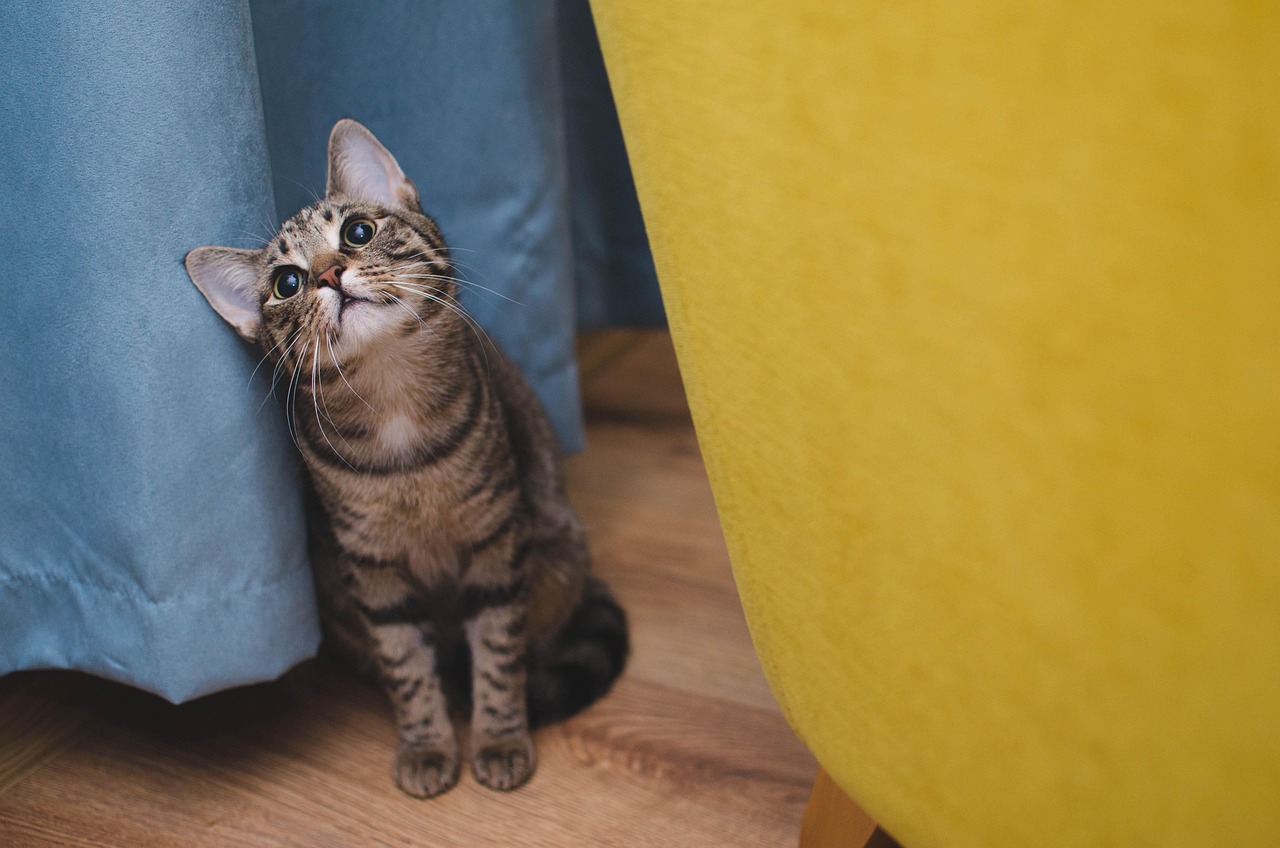

Setting Up Cat-Friendly Spaces Away from Hazardous Plants
Creating a safe and engaging environment for your cat is essential, particularly when it comes to avoiding toxic plants. Many common houseplants can be harmful to felines, leading to severe health concerns. To protect your furry friend, it’s important to familiarize yourself with plants that can potentially harm your cat. Start by identifying the plants in your home and making a plan to either remove or replace any toxic varieties. Cat owners should consider the dangers posed by plants like lilies, poinsettias, and philodendrons. Sadly, these plants may be found in many households and can cause reactions like vomiting, diarrhea, or even more severe health issues if ingested. For a more cat-friendly environment, replace toxic plants with safe alternatives. Popular non-toxic options include spider plants, cat grass, and Boston ferns. Not only will these plants beautify your space, but they will also provide your cat with safe spots to explore. Furthermore, setting up designated areas for your cat like window perches can also enhance their experience while keeping them safe from hazards. Careful planning can help ensure a healthy and happy home for both you and your feline companion.
Ensuring your home is free from hazardous plants also requires adopting specific strategies. One effective approach is to educate yourself about the types of plants that might cause harm to your cat. Make a list of any plants you currently have and refer to resources online for a guide to toxic and non-toxic varieties. Additionally, it is wise to utilize physical barriers to restrict your cat’s access to certain plant areas. For instance, using baby gates or fencing can help keep cats away from garden zones where potentially harmful plants thrive. If you choose to keep some plants for decorative purposes, consider displaying them in elevated areas where only humans can reach. You can also advocate for safer plant choices when purchasing new greenery by asking staff in nurseries for suitable alternatives for pet owners. Furthermore, it’s crucial to routinely check your indoor and outdoor plants for signs of plant harm or damage. Regular observation will help ensure your environment is continuously safe for your cat as they explore their space. Keeping an eye out and adjusting your plant collection accordingly will lead to fewer risks for your beloved feline buddy.
Promoting Awareness and Education
Raising awareness about hazardous plants goes beyond personal knowledge; it involves sharing information with others, including family and friends. Host a gathering or informal discussion to highlight the dangers of toxic plants. Provide resources and examples of safe alternatives to foster a knowledge-sharing environment. Utilize online platforms, such as social media, to spread awareness within your local community or pet groups. Creating informational posts regarding plants can engage and inform other pet owners about the risks their cats may encounter in and around the home. Encourage local veterinary clinics to stock information pamphlets or host meetings that address the topic of toxic plants. Distributing flyers or launching a small webpage can be productive ways to reach a broader audience. It is equally important to communicate directly with other cat owners about their own experiences regarding toxic plants. Sharing your insights can save lives. Healthy cats contribute to a vibrant community of cat enthusiasts who prioritize safety. By collectively working on this educational initiative, we can establish a supportive network aimed at preventing cat injuries and enhancing their well-being.
Additionally, exploring cat behavior can help identify why cats may show interest in specific plants. Cats are naturally curious creatures, and understanding their instincts is crucial in preventing risky encounters. Provide safe plant alternatives that stimulate their senses and can be an acceptable substitute for toxic varieties. Consider catnip, cat grass, or edible plants that are harmless for felines. These alternatives encourage appropriate chewing and scratching behavior while simultaneously redirecting their attention away from hazardous plants. Experimenting with various textures, scents, and tastes in safe plants can capture your cat’s interest and keep them content. Additionally, consider creating exploration stations using natural materials like cardboard or wood to enrich the environment without utilizing potentially harmful plants. Gradually introducing new plants and materials to your cat’s habitat can significantly shift their focus away from hazardous options. Keeping them engaged and occupied will help minimize their attraction to toxic plants, ensuring a safer atmosphere while promoting their emotional and physical well-being.
Creating Barrier Strategies
Creating effective barriers can significantly reduce your cat’s temptation to chew on toxic plants. One method to deter cats involves utilizing scents; many cats dislike citrus fragrances. Spraying a gentle citrus-infused solution near troublesome plants can discourage them from approaching. Additionally, using physical barriers like decorative rocks, pine cones, or even repurposed chicken wire can obstruct access to specific areas in your garden or home. These elements can effectively create unattractive spaces, leading your cat to explore safer areas instead. Incorporating bitter-tasting sprays specifically designed for cats on your plants can also serve as an effective deterrent. Take care to follow instructions and ensure the products are safe for both the plant and your pet. By implementing these strategies, you are improving your cat’s safety while simultaneously allowing your plants to thrive. Regularly change your cat’s environment so they do not become accustomed to specific barriers, keeping their curiosity stimulated. It is vital to evaluate the effectiveness of any deterrents utilised and modify them according to your cat’s behavior. Continuous assessment will assist in refining your approach for a safe environment.
Indoor cat enrichment is achievable without compromising safety regarding household plants. Ensuring your indoor environment continuously evolves keeps your cat stimulated and engaged. Adding elements like shelves, climbing towers, or cozy hiding places can make indoor spaces more entertaining for your cat. Additionally, you could rotate your cat’s toys to keep them interested and engaged. Toys featuring various materials or sounds can ignite your cat’s stimulation and playfulness. Creating a designated area for safe plants can also encourage interest in a healthy way. Grow cat-safe plants in pots accessible to your cat, allowing them to safely explore and interact with their greenery. Incorporating interactive feeders with safe herbs can positively influence their curiosity as well. Create a cat garden area where they can enjoy supervised time among non-toxic plants while learning to distinguish safe from unsafe options. Allowing safe plant interaction fosters positive experiences with greens while reinforcing the distinction between toxic and non-toxic choices. Regularly monitoring their behavior during interactions will further ensure their safety and effectiveness in enriching their environment.
Conclusion
Ultimately, ensuring a cat-friendly space devoid of toxic plants is a combination of awareness and proactive measures. Learn about the plants that can be harmful to your pet, consciously choosing non-toxic alternatives. Create an environment that discourages dangerous plant interactions by identifying risks and implementing barriers. Furthermore, engaging with other cat owners contributes to a well-informed community dedicated to safeguarding feline health. As knowledge grows, so does the opportunity to create safer environments for our cats, promoting responsible pet ownership. Continuously evaluate your space, observing your cat’s behavior and curiosity levels, while regularly replacing hazardous options with safe ones. Moreover, providing enrichment through interactive play and safe alternatives allows cats to thrive indoors, fostering a bond with nature without the danger of toxicity. Together, we can create a safe haven for our feline friends, ensuring their health and happiness through conscious choices and awareness. In summary, investing time to create a secure space brings joy to your life and positively impacts your cat’s overall well-being. Prioritize their safety by adopting these practices to enhance their lives while minimizing risks associated with toxic plants.