
The Role of Curiosity in a Cat’s Learning Process
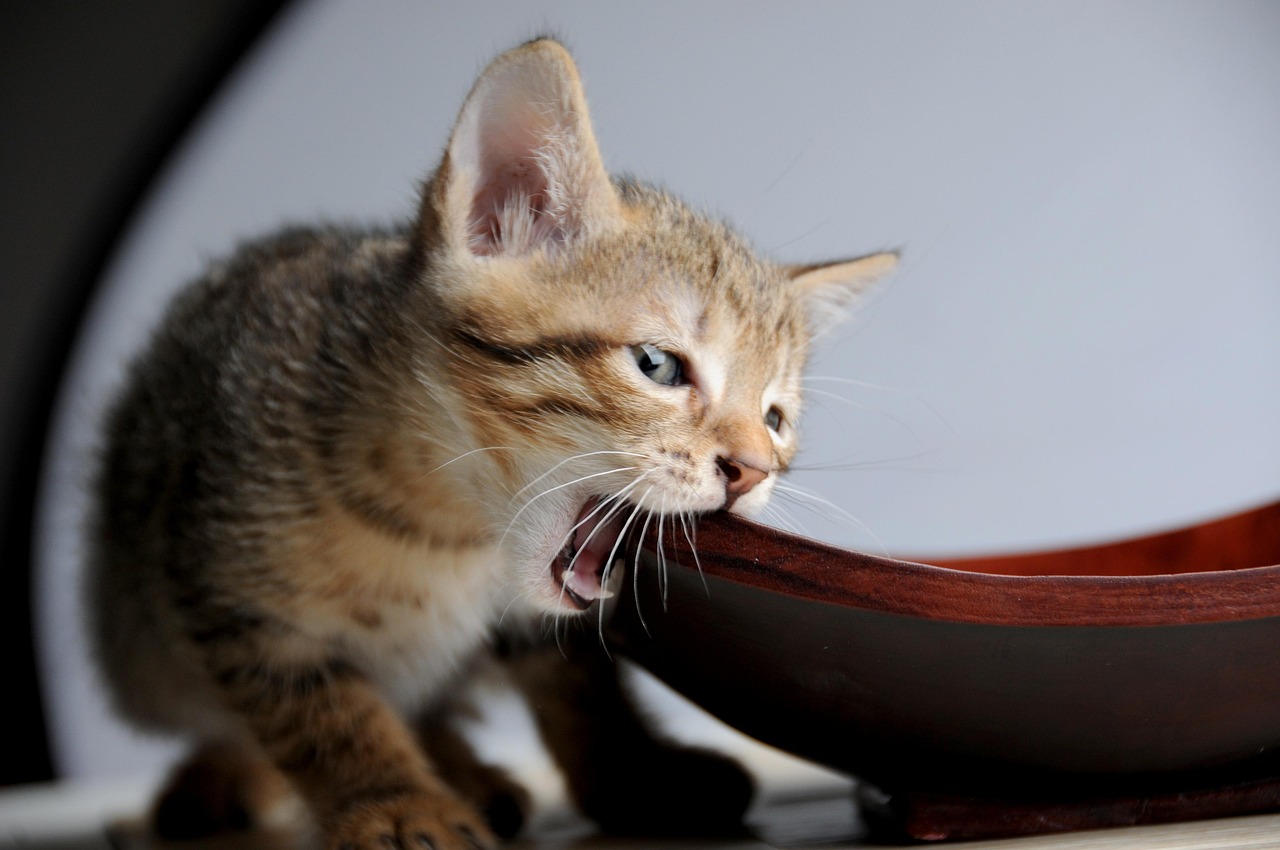
Curiosity is a natural trait found abundantly within cats. It fundamentally influences their learning processes, acting as a catalyst for exploration. Cats use curiosity to engage with novel stimuli in their environments, fostering various learning experiences. This constant search for new experiences translates into better problem-solving abilities over time. For instance, a curious cat will approach a new object, investigate its texture, and eventually learn whether it’s safe or dangerous. Such exploration promotes mental stimulation, which is essential for their overall well-being. Each encounter allows cats to form associations and memories. The curious nature of cats drives them to explore areas beyond their known environment, increasing their understanding of the world around them. When they see or hear something unfamiliar, their instinct drives them to investigate. This behavior encourages them to expand their horizons and learn about new objects or creatures nearby. Additionally, encouraging curiosity through interactive play can enhance their cognitive skills significantly. Providing puzzle toys or engaging in regular playtime allows for exploration, which keeps their minds sharp and alert. Understanding the role of curiosity can lead to more enriched and fulfilling lives for our beloved feline companions.
Curiosity also plays a key role in shaping a cat’s social interactions. Through exploration, cats learn to navigate their relationships with both humans and other animals. They use their inquisitive nature to assess the behavior of others, understanding social cues and boundaries. When they encounter new people or pets, their natural curiosity leads them to investigate, sniff, and observe those creatures. This instinctive behavior allows them to gauge whether the new presence is friendly or a potential threat. Such assessments are critical for fostering harmonious relationships within multi-pet households. Additionally, curiosity helps cats express their desires and needs more effectively. For example, a cat that learns how to open a door may do so out of sheer interest but also finds a way to communicate their need for interaction or access to different spaces. As a result, actively nurturing a cat’s sense of curiosity can enhance training opportunities, allowing them to learn commands or tricks through playful exploration. Thus, understanding and facilitating this natural instinct can lead to stronger social bonds and improved communication, making life more enjoyable for both the feline and their human family.
Curiosity and Cognitive Development
The cognitive development of a cat is significantly influenced by its level of curiosity. When cats engage in exploratory behavior, they not only satisfy their innate curiosity but also exercise their mental faculties. This exposure to varied stimuli and challenges supports the development of essential cognitive skills. For example, when a cat encounters a new toy, its curiosity encourages it to experiment with different ways to manipulate or interact with that object. Over time, this experimentation can lead to improved memory and problem-solving capability. Moreover, studies show that cats that actively explore and interact with their environment tend to exhibit higher intelligence levels. They learn how to navigate obstacles and can develop skills such as spatial awareness. The impact of curiosity on their learning is profound; it fosters resilience and adaptability, traits that are invaluable for their survival in the wild. As they encounter both success and failure in their explorations, they build the necessary cognitive framework for future challenges. Therefore, by promoting an environment rich in exploration opportunities, pet owners can aid their cats in achieving optimal cognitive development.
Additionally, the mechanisms of learning through curiosity extend to behavioral adaptations as well. Cats often adjust their behaviors based on the outcomes of their explorations, thanks to their inquisitive nature. If a feline learns that a certain action leads to a reward, they are likely to repeat that behavior in similar situations. For instance, if a cat discovers that knocking over a glass leads to amusing reactions from their human, it might repeat this behavior deliberately for attention. This process of trial and error enables cats not only to explore but also to modify their actions according to the responses they receive. As a result, curiosity becomes a foundation for behavioral flexibility, allowing cats to tailor their actions based on learned experiences. Moreover, this adaptability plays a vital role in the formation of routines, as they begin to associate specific activities with positive outcomes. Understanding this relationship between curiosity and learning behaviors can guide how we set up environments that promote safe exploration. By doing so, we support their natural instincts while reinforcing positive learning experiences.
The Key to Training Your Cat
Emphasizing the role of curiosity in a cat’s learning process is crucial for effective training. When introducing new commands or tricks, catering to a cat’s natural curiosity can significantly enhance their willingness to learn. Techniques that engage their inquisitiveness can make training sessions more enjoyable and productive. Using treats, toys, or interactive games can pique their interest and motivate them to participate actively. The key is to keep training sessions short yet stimulating. Cats have shorter attention spans, so capitalizing on moments of excitement can yield better outcomes. Incorporating curiosity-driven play into training encourages cats to explore and discover their abilities, whether trying to fetch a toy or navigate agility obstacles. Additionally, rewarding their accomplishments reinforces learning and builds confidence. Over time, as cats explore their capabilities, they may become more amenable to trying new things, not limited to the initial training exercises. This progressive approach cultivates a love for learning and strengthens the bond between cat and owner. By focusing on curiosity as a tool in training, pet owners can facilitate remarkable learning journeys.
Furthermore, enrichment opportunities in a cat’s environment also play a pivotal role in stoking their curiosity. Enrichment can come in various forms such as interactive toys, climbing structures, or even simple cardboard boxes. Each element invites cats to explore and investigate, keeping their minds sharp and engaged. For instance, providing different levels of vertical space encourages them to climb and explore from new perspectives, further fueling their curiosity. A stimulating environment can significantly lower stress levels, fostering a greater sense of security and confidence in a cat. When a cat feels safe while exploring, it is more likely to engage with new experiences freely. Moreover, social interactions with humans and other pets contribute to mental stimulation. Therefore, creating a dynamic environment allows cats to thrive mentally and physically. Engaging cats in interactive playtime or providing varied toys can ensure they maintain interest while exploring. By focusing on enriching their surroundings, pet owners can help support their cats’ natural inclinations to learn and explore, ultimately leading to healthier and happier lives.
Curiosity’s Impact on Health and Wellbeing
Curiosity significantly influences a cat’s overall health and wellbeing. An active and inquisitive cat tends to engage in more physical activity, which can prevent obesity and associated health issues. By exploring their environments, cats partake in both mentally stimulating activities and physical exercise. This engagement helps them maintain a healthy weight while stimulating their senses. Moreover, environments rich in exploring opportunities can reduce instances of destructive behaviors that stem from boredom. Cats left unchallenged may resort to negative behaviors to relieve their boredom, which can lead to damaged furniture or unwanted messes. Keeping their environment dynamic and engaging allows cats to express their playful nature constructively. Additionally, regular exploration can lead to improved mood and lower anxiety levels, as outdoor experiences help reduce stress. Outdoor cats, or those that can safely explore, often exhibit high levels of happiness due to the diversity of sensory experiences. Conversely, indoor cats also thrive when given safe outlets for their curiosity. Whether through puzzle feeders or climbing shelves, pet owners can create indoor spaces that nurture this natural instinct, ultimately enhancing their mental health.
In conclusion, curiosity acts as a crucial catalyst in a cat’s learning process, shaping their behavior, social interactions, and overall cognitive abilities. By fostering an environment that promotes exploration, owners not only enrich their cats’ lives but also enhance their training experiences. Understanding the integral role curiosity plays allows pet owners to tailor experiences and environments that align with their cats’ natural instincts. Through play, exploration, and social interaction, cats can develop vital cognitive skills, improve their health, and establish stronger bonds with their owners. Engaging with their natural curiosity allows cats to experience the world in a fulfilling manner, enriching their lives and promoting well-being. Whether through providing stimulating environments or engaging in interactive play, there are numerous ways to ensure that your feline companion thrives. Recognizing curiosity as a valuable asset can lead to a deeper appreciation for our cats and better relationships. In the end, curiosity is not just an innate characteristic; it is a gateway to learning, discovery, and joy in a cat’s life, ultimately benefiting both cats and their human companions.