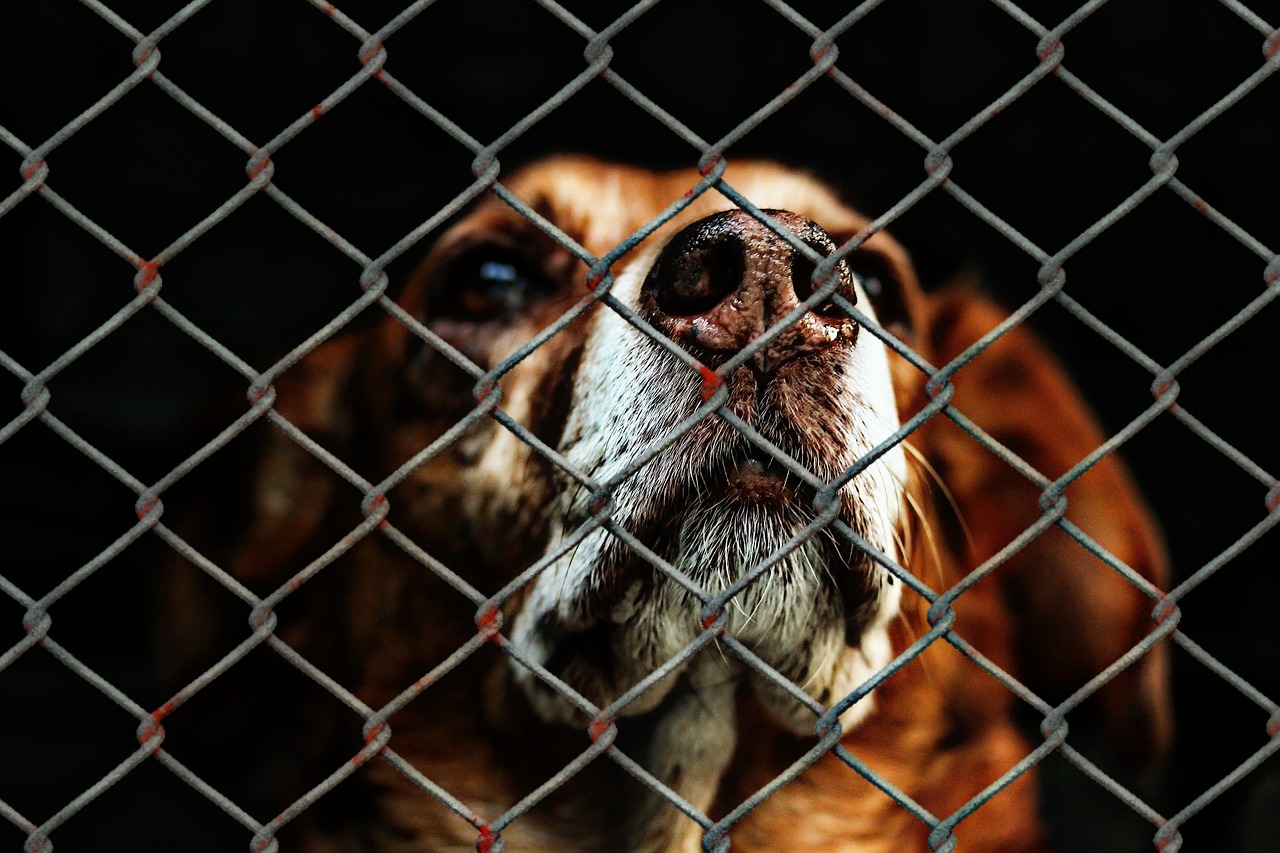

The Role of Rescue Groups in Saving Abandoned Dogs
Dog rescue organizations play a pivotal role in saving abandoned and neglected dogs across various communities. These groups are formed by dedicated volunteers and animal lovers who dedicate their time, resources, and finances toward rescuing dogs in need. They work tirelessly to rehabilitate dogs rescued from abusive situations or those left to fend for themselves on the streets. The primary mission of rescue organizations is to provide these dogs with a second chance at life. They are instrumental in raising public awareness about the importance of adopting rather than purchasing pets. Furthermore, they often host events to connect potential adopters with dogs awaiting homes. By doing so, rescue groups promote a culture of compassion and responsible pet ownership. As a volunteer-based initiative, donations and sponsorships help these organizations operate, paying for veterinary care, shelter, and food for the dogs. Public education on animal welfare is crucial. Volunteers often conduct workshops to highlight the responsibilities involved in dog ownership. This ensures that adoptive families are well-informed before bringing a new dog into their homes.
Another essential function of rescue organizations is fostering dogs before adoption. Fostering allows dogs to experience a home environment, showcasing their personalities and temperaments. This helps determine the best homes for them, ensuring that they match with families that fit their needs. Through foster care, dogs receive socialization, training, and love, helping them integrate better into their future homes. The foster system also alleviates overcrowded shelter situations, providing dogs with immediate care and attention. Foster families play a significant part in the adoption process by sharing their experiences and insights with potential adopters who may meet the dogs. This personal touch can significantly influence the likelihood of an adoption being successful. In addition, foster care saves lives by allowing rescue organizations to take in more dogs from high-kill shelters, ensuring that they have a safe place to await a loving family. Such initiatives are essential in combating the high number of abandoned dogs. Rescue organizations also often create partnerships with local veterinary clinics. These partnerships ensure affordable medical care for shelter dogs and prevent the spread of disease among the canine population.
Veterinary Care and Rehabilitation
Rescue organizations are responsible for the critical veterinary care that abandoned dogs require to recover and thrive. Once rescued, dogs usually undergo thorough health checks that include vaccinations, spay or neuter procedures, and treatment for any immediate health issues. Partnerships with vets provide essential medical treatment at reduced costs, allowing organizations to utilize their limited funds effectively. Post-surgery recovery and ongoing veterinary attention are also prioritized in their care plans. Such efforts can involve rehabilitating physically injured dogs, including those who may have suffered trauma that affects their behavior and social skills. Rescue groups often focus on providing behavioral training to assist dogs in becoming well-adjusted companions. This professional training also helps future adopters understand how to manage behavioral issues effectively. Additionally, rescue organizations play a crucial role in ensuring that dogs are ready to transition back into family life. The ultimate goal is to equip them with the skills necessary to adapt to their new homes. By addressing medical and behavioral needs, these groups improve the overall quality of life for rescued dogs, ensuring they become cherished family members.
Community outreach forms a significant part of rescue organizations’ operations as well. By building relationships with local communities, these groups can educate people on the importance of spaying and neutering pets, as this plays a vital role in controlling the stray animal population. They host workshops and informational sessions to promote understanding of animal rights and welfare. By addressing misconceptions about rescue animals, they encourage more people to consider adopting instead of shopping for pets. This action not only helps reduce the number of homeless dogs but also enhances the community’s perspective on animal ownership. Collaboration with other organizations, such as schools, helps introduce animal welfare programs to younger generations. These programs foster empathy and responsibility, encouraging kids to respect and care for animals. Ultimately, these educational initiatives can lead to a more humane society that values the lives of all animals. Operating community outreach campaigns effectively requires dedicated volunteers who are passionate about advocacy. These efforts are instrumental in changing attitudes toward rescue animals and decreasing the number of abandoned dogs each year.
Fundraising and Sustainability
Fundraising initiatives are vital to the sustainability of rescue organizations. Since they rely heavily on donations, various methods are employed to generate financial support. This includes organizing events such as adoption fairs, charity runs, and auctions, all designed to engage the community while raising funds. Additionally, online fundraising campaigns leverage social media platforms to reach a broader audience. Internet fundraising strategies can include compelling storytelling about specific dogs needing homes or highlighting successful rescue stories. Local businesses often become partners by sponsoring events or donating a percentage of their sales to support the rescue cause. By fostering relationships within the community, organizations can tap into local networks for resources. Merchandise sales, such as branded apparel or accessories, also contribute financially while helping raise awareness for the organization. Establishing strong connections with donors is essential as well. Regular communication through newsletters or social media updates keeps supporters informed about the organization’s impact. This transparency encourages ongoing donations. Ultimately, successful fundraising allows rescue organizations to continue their mission of protecting abandoned dogs and finding them forever homes. Without consistent financial support, these vital services may not be sustainable.
Rescue organizations often collaborate with other local animal welfare groups to maximize their impact. These partnerships create a united front against dog abandonment and cruelty. Sharing resources, expertise, and volunteers can significantly strengthen community efforts. In addition to joint fundraising events, collaborations may involve co-hosting educational seminars or workshops aimed at animal care and responsible ownership. Such partnerships expand the reach, enabling rescue organizations to educate and engage more individuals. When groups work together, they create a broader network leading to increased visibility of the issue at hand. This collaborative approach also fosters a supportive environment among organizations, allowing them to share successes and challenges, and learn from one another. When the community witnesses a strong alliance of rescue organizations, it builds trust and encourages broader participation. Furthermore, collaborations present opportunities to apply for grants together, increasing the chances of obtaining funding for joint projects. As the number of abandoned dogs continues to rise, these collaborative efforts are essential in finding long-standing solutions. Together, organizations unite to improve the lives of dogs in need while advocating for humane treatment and responsible pet ownership.
The Importance of Adoption
Highlighting the significance of adopting dogs from rescue organizations is crucial. Adopting a rescue dog not only provides a lonely animal with a loving home, but it also helps decrease the overall homeless dog population. Each adoption creates an open space for another dog to be pulled from a shelter setting, resulting in saving two lives instead of one. Moreover, your decision to adopt sends a message about the importance of animal welfare, influencing others to consider rescue when looking for a pet. Choosing a rescue dog means welcoming a dog into your life that has likely already overcome adversity, and who is determined to love and be loved. Many rescue dogs are already house-trained and have a grasp of basic commands, simplifying the transition for their new families. Selecting a dog to adopt not only brings joy and companionship, but also provides an opportunity for the adopter to become involved in their local animal rescue community. It creates a bond, fostering a sense of responsibility to make a difference in the lives of animals. Every adoption story strengthens the network supporting animal rescue efforts.
In conclusion, rescue groups serve as a lifeline for abandoned dogs, providing vital services that range from veterinary care and rehabilitation to adoption promotion and community education. Their multifaceted approach ensures that dogs are given a fresh start in life. Community outreach, fundraising, and partnerships amplify the impact of these organizations, creating a network that benefits both the animals and their owners. Adoption from these groups is not just a single act of kindness; it ignites a ripple effect, encouraging others to consider rescue. By understanding the critical work of rescue organizations, individuals can actively participate in their mission, whether through volunteering, fostering, or adopting. Thus, it is essential to support and promote the invaluable efforts of rescue groups, especially as the number of abandoned dogs continues to rise. Every dog deserves a home, and by working together, we can ensure that these deserving animals find their forever families. Our collective efforts can change lives, abundant with love, loyalty, and happiness. Together, we can make a significant impact, transforming the lives of dogs who have been neglected or abandoned.