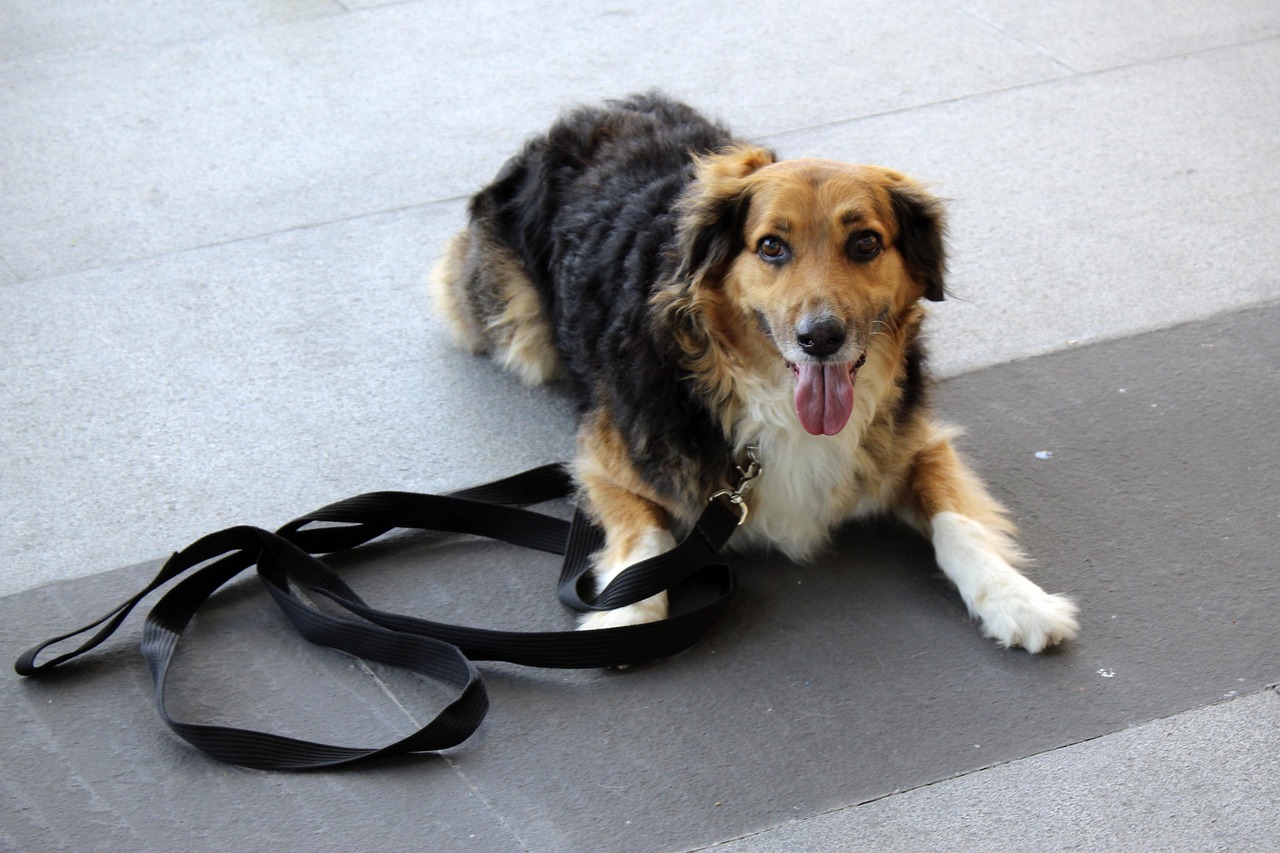

Training Techniques to Manage Dominant Dogs
Understanding dog dominance is crucial for effective training. Dominance often manifests in aggressive behavior, asserting control over people or other dogs. Many owners may feel helpless when dealing with a dominant dog. Learning about the signs of dominance can help owners recognize these behaviors early. Common indicators include growling, snapping, or excessive resource guarding. Recognizing these signs is the first step in managing your dog’s behavior. It’s important to remember that a dog’s dominance can stem from fear, territorial instincts, or anxiety. Through positive reinforcement, owners can teach their dogs respectful behaviors. This technique encourages desired actions without fear or physical punishment, creating a trusting relationship. Behavior modification requires time and commitment. Starting with basic commands can establish a foundation. Teaching commands like sit, stay, and down can help assert leadership. Use treats and praise effectively to reward good behavior, which reinforces your position as the leader in a non-threatening manner. Additionally, consistency is key, as dogs thrive on regular routines and expectations. Implementing these training techniques can lead to a more harmonious relationship between owner and dog, ensuring safety for both.
Another effective method to manage dominant behaviors in dogs involves the use of structured routines. Dogs are creatures of habit and appreciate predictability. Establishing a consistent framework for daily activities can provide security and reduce stress levels. Routines contribute to a dog’s understanding of their role within the household dynamic. Regular feeding times, scheduled walks, and designated play periods help articulate expectations. Implementing these routines fosters a sense of order, allowing the dog to feel more grounded. Moreover, structured play can also reduce dominance-related issues. Engaging the dog in games that require taking turns, like fetch, can reinforce social skills. Training sessions should also reflect the importance of teamwork, building cooperation between the dog and owner. Beyond routines, socialization with other dogs is essential. Controlled interactions help the dog learn appropriate behavior in various situations. Exposing them to different environments can mitigate fear and anxiety. Dog parks or group classes provide excellent opportunities for this. Ensure that socialization experiences are positive, allowing dogs to feel relaxed and secure. A well-socialized dog is less likely to assert dominance, leading to more pleasant interactions overall.
Implementing Positive Reinforcement
Positive reinforcement remains an essential tool in managing dominance. This method emphasizes rewarding good behavior rather than punishing unwanted actions. When a dog exhibits desirable behaviors, immediate rewards encourage repetition. Utilizing treats, praise, or toys helps dogs associate their actions with positive outcomes. This creates an environment where learning can flourish and enhances the bond between owner and pet. Timing is critical in this approach; immediate reinforcement ensures the dog connects the reward with the action. Additionally, varying the rewards keeps the dog engaged and interested in training sessions. It’s also worth mentioning that consistency in commands and signals strengthens the process. As dogs learn what behaviors are acceptable, they gain confidence in their actions. Patience is necessary when using positive reinforcement. Some dogs may require more time to grasp the commands or cues, depending on their background and experiences. Avoid showing frustration, as a calm demeanor contributes to a secure learning atmosphere. Implementing these techniques consistently can yield significant improvements in your dog’s behavior over time, leading to a balanced relationship built on mutual trust and respect.
Another strategic approach involves redirecting negative behaviors. If a dog displays signs of aggression or dominance, redirection can shift their focus to more appropriate actions. This may involve immediately providing an alternative activity, such as fetching a toy or performing a command. Redirecting their energy can diffuse mounting tensions and prevent confrontations. It’s important to practice this technique during lower-stress situations. A dog familiar with basic obedience commands will respond better to redirection. Through consistent practice, dogs learn to look to their owners for guidance. This technique emphasizes proactive behavior management rather than reactive corrections. Creating a distraction can also assist with behavioral issues during incidents of overstimulation, such as when encountering visitors or other dogs. For example, teaching the dog to go to their bed upon arrival of guests can facilitate a calmer atmosphere. Patience remains vital, as teaching redirection may take time. By reinforcing alternative behaviors consistently, owners can effectively manage their dog’s dominant tendencies. Over time, redirected behaviors can become the preferred response, leading to more harmonious interactions family, friends, and other pets.
Exercise and Mental Stimulation
Regular exercise plays an indispensable role in managing dominant behaviors in dogs. Adequate physical activity helps release pent-up energy, reducing anxiety and aggression. A high-energy dog, if not exercised appropriately, may resort to undesirable behaviors to expend energy. Engaging in daily walks, runs, or play sessions nurtures their physical well-being and mental health. Interactive playtime or puzzles can also provide dogs with mental stimulation. These activities engage their minds and foster a sense of accomplishment and satisfaction. When dogs are tired, they are less likely to exhibit dominant behavior. Owners can also explore various activities: agility training, scent work, or even obedience classes. Each of these options encourages dogs to focus their energies constructively. It’s essential to strike a balance between physical and mental exercises to achieve the best results. A comprehensive exercise routine will help the dog feel fulfilled while strengthening the bond between them and their owner. By prioritizing physical activity along with mental stimulation, owners can significantly decrease the likelihood of dominance issues, leading to a healthier relationship.
Establishing leadership is paramount in managing dominant dogs, as this concept underpins effective training techniques. Leadership doesn’t imply authority through intimidation but instead through guidance and direction. Owners should consistently demonstrate fairness and firmness in their interactions with their pets. Being a strong leader means maintaining clear and consistent boundaries, creating a safe environment where dogs can thrive. Training methods should center around mutual respect rather than fear. When a dog views their owner as a considerate leader, they are more likely to follow commands without resistance. Understanding canine body language also enables owners to gauge their dog’s comfort levels. Recognizing signals such as stiff body posture or raised hackles indicates signs of discomfort that need addressing. It’s crucial to foster an open line of communication to ensure that dogs feel heard and understood. Establishing authority without intimidation results in a healthier and more balanced relationship. The emphasis lies on nurturing trust and respect, building a foundation for a cooperative partnership, which is essential in managing dominant behaviors effectively.
Seeking Professional Guidance
In some instances, seeking professional help might be necessary when managing dominance in dogs. Professional trainers or behaviorists possess the expertise needed to evaluate the dog’s behavior accurately. They offer tailored solutions and training plans based on specific challenges. This approach can lead to more successful outcomes, especially for complex behavior issues. Owners unsure about their ability to correct dominant behaviors can benefit from guidance. Professionals often provide insights into understanding underlying causes of behavior, allowing for more targeted interventions. Additionally, group classes present opportunities for socialization with other dogs while learning effective techniques. This can be crucial for dogs exhibiting fear-based dominant behaviors. Establishing relationships with experienced trainers can also enhance owner confidence, supplying additional resources and ongoing support. Pet owners should always trust their instincts; if a dog displays uncontrollable aggression or dangerous behaviors, immediate professional intervention is warranted. By collaborating with qualified professionals, owners move towards resolving dominance issues, ensuring a safer and happier environment for both themselves and their pets.
Ultimately, managing dominant behaviors in dogs demands time, effort, and commitment. Through a combination of understanding, positive reinforcement, regular exercise, and leadership, owners can transform their relationship with their dogs. Each step in this process promotes balance and stability in the household, enhancing communication between both parties. Recognizing dominance does not define a dog’s capabilities or worth but instead identifies an area requiring specific management strategies. Building trust and respect not only diminishes instances of dominance but allows for a more fulfilling companionship. As owners implement newly learned techniques, patience remains vital, recognizing progress may be gradual. Celebrating small victories fosters motivation and reinforces the bond of collaboration between dog and owner. Ultimately, a harmonious relationship is achievable through dedication and understanding, contributing to behavioral improvement. Over time, the dog learns preferred behaviors while feeling secure and loved. Each dog is unique, and adapting training methods to fit individual temperament is essential. By investing time and effort into effective training methods, dog owners can enjoy the rewards of a well-behaved and happy dog.