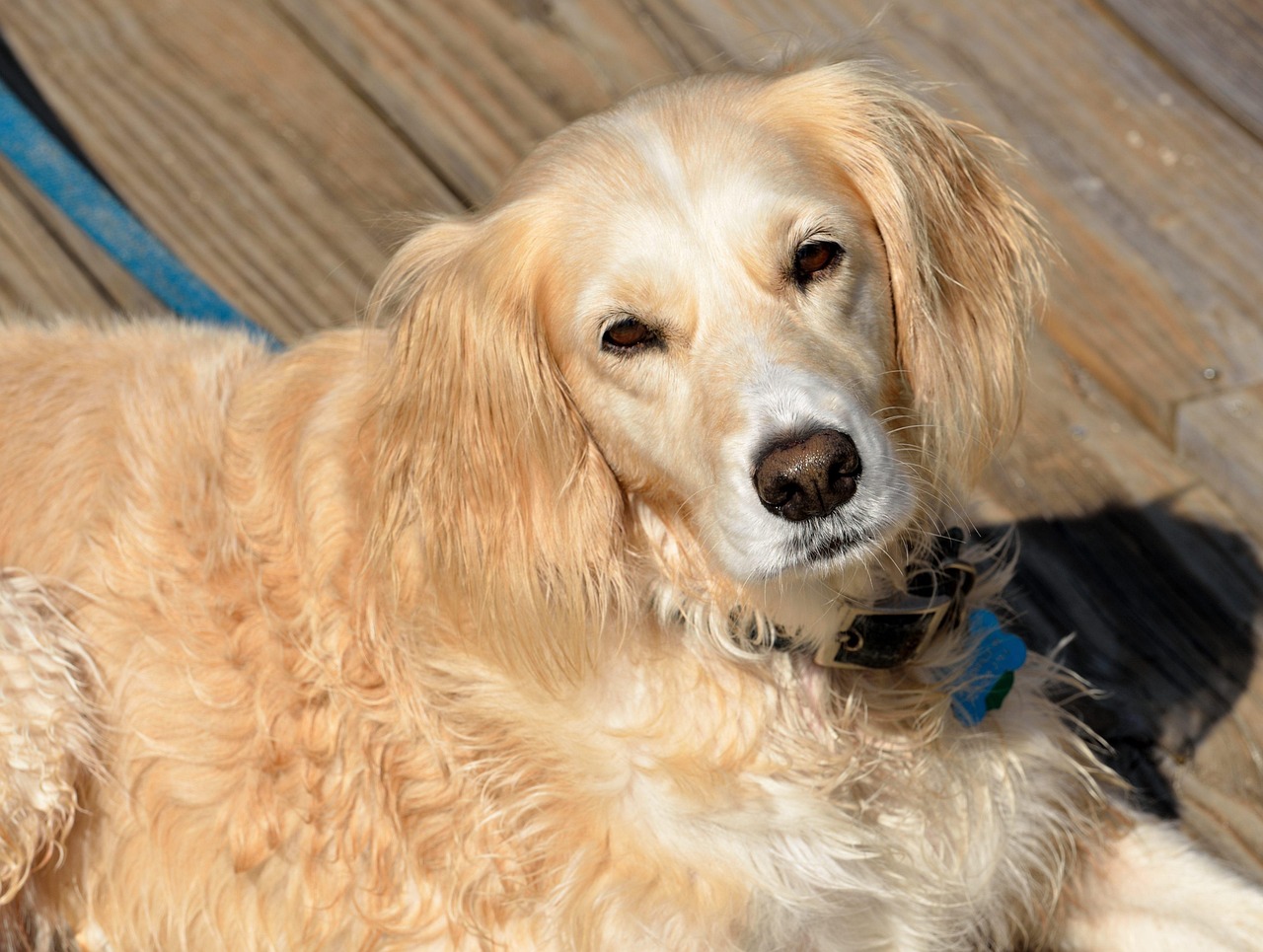

Caring for Your Internationally Adopted Dog: Health and Adjustment Tips
Bringing an internationally adopted dog into your home is a big decision that requires ample preparation. First, it is important to understand the unique challenges these dogs may face due to their past experiences. Many may have been strays or subject to less than ideal living conditions. As a responsible pet owner, you should research the specific needs of the breed you have adopted. This can include dietary requirements, exercise needs, and specific training methods. Additionally, it is crucial to find a knowledgeable veterinarian who can provide care tailored to your dog’s background. Each adopted dog may require vaccinations or a thorough health check before settling in. To find resources, it is advisable to connect with local animal shelters or adoption agencies. These organizations often provide valuable insights into the specific needs of your new companion. Lastly, prepare your home for your dog’s arrival by creating a safe and comfortable environment, with designated areas for eating, sleeping, and playing. This will ease their transition and reduce anxiety.
Understanding Behavioral Adjustments
When adopting an internationally rescued dog, it’s essential to be aware of the behavioral adjustments they may undergo. Many of these dogs have experienced trauma or uncertainty that can translate into anxiety and fear. Familiarizing yourself with signs of distress, such as cowering, barking, or hiding, will be vital. To help your dog feel secure, establish a consistent routine with feeding, walks, and playtime. Predictability can ease their anxiety. Create a safe space for your dog where they can retreat when feeling overwhelmed. Utilizing positive reinforcement techniques can also be beneficial when training your dog. Encouraging desired behaviors with treats or praise fosters trust and builds a strong bond. Consider enrolling in obedience classes that specialize in rescue dogs, where you can learn techniques suited for your dog’s unique needs. Remember to give your dog plenty of time to adjust as they may require days or even weeks to feel comfortable in their new home. Patience is crucial, as pushing boundaries too quickly may lead to setbacks in their training and behavior.
Nutrition plays a critical role in your dog’s overall health and well-being after adoption. Understanding your international dog’s dietary needs is paramount, as they may have been fed a different diet in their past. Start by consulting your veterinarian for advice on transitioning to a new food. An abrupt change can upset their stomach and lead to discomfort. It’s advisable to gradually incorporate the new food over a week or two, mixing it with their previous diet. Look for high-quality dog food that meets their nutritional requirements, as international dogs may have had various deficiencies in their diets. Keep an eye on their weight and energy levels to ensure they are thriving in your home. Avoid giving too many treats, as these can lead to obesity and other health issues if not monitored. Additionally, try to incorporate fresh, healthy snacks into their diet, such as carrots or apples, which can encourage healthy chewing habits. Always provide access to clean water and be aware of any food allergies that may have been documented by the previous owners.
Regular Veterinary Care
Scheduling regular veterinary care is an essential step in ensuring the long-term health of your internationally adopted dog. Upon adoption, it is vital to take them for an initial health check-up. This will allow the vet to identify any pre-existing conditions and set up a vaccination schedule. Many internationally adopted dogs may arrive with unknown medical histories; therefore, a thorough examination is necessary. Your vet may also recommend spaying or neutering, as it helps prevent various health issues and contributes to responsible pet ownership. Additionally, discussing flea, tick treatments, and heartworm prevention during your visit is crucial. These preventive measures can save you from extensive medical bills in the future. Don’t forget to maintain a record of all vaccinations and treatments, as this information is useful for future health assessments. Investing in pet insurance can also be wise, especially for rescue dogs who might have higher healthcare needs. Keeping your dog up to date on veterinary visits will ensure they live a long, happy, and healthy life in your household.
Socialization is a key aspect of ensuring a smooth adjustment for your internationally adopted dog. Dogs that come from different environments may be hesitant or fearful towards other dogs and people. Start socializing your new companion gradually; allow them to meet people and other pets in a controlled manner. Take them to parks or join dog-friendly groups to expose them to various stimuli. It’s essential to monitor their comfort level and give them the choice to retreat if they feel overwhelmed. Positive experiences will help them build confidence in their environment and interactions. Be patient and remember that some dogs may take longer than others to adjust to new experiences. Utilizing treats or their favorite toys can help ease the tension during these interactions. While socialization is crucial, avoid overwhelming your dog with too many new experiences at once. Instead, focus on one aspect at a time, ensuring they feel secure and comfortable. Over time, with your support, your dog can learn to enjoy being around others, which is key to becoming a well-adjusted pet.
Establishing a Routine
Creating a daily routine can greatly benefit your internationally adopted dog’s adjustment period. Dogs thrive on predictability, and establishing a structured schedule will help them feel more secure in their new environment. Ensure that their meals, walks, playtime, and bedtime remain consistent each day. This routine fosters a sense of stability, reducing anxiety and behavioral issues. Gradually introduce new activities, ensuring each transition remains positive. Incorporate regular exercise into their routine, as this not only promotes physical health but also contributes to mental stimulation. Engage in activities that encourage interaction, such as obedience training and puzzle toys, which can help them bond with you. Keeping a journal of your dog’s behaviors and milestones can also be useful to track their progress and identify any areas needing further attention. Lastly, communicate with your vet or trainer about the best ways to maintain a routine tailored to your dog’s personality and needs. A well-thought-out schedule can encourage your dog to learn and adapt positively to their new life with you.
In conclusion, caring for your internationally adopted dog is a rewarding journey that requires commitment. From understanding their unique needs to establishing routines, each step is crucial for their success in adjusting to a new environment. Remember, patience and love go a long way in fostering trust and companionship. Attend to their health needs by regularly visiting the veterinarian and nurturing their nutritional requirements. Focus on socialization and training, utilizing positive reinforcement techniques for effective results. The transition for your new furry friend may take time, but your dedication will pay off with a loyal companion. By following these tips, you can ensure your dog not only enjoys a happy, healthy life but also thrives in their new home. Always remain vigilant to any signs of distress and make adjustments as necessary to suit your dog’s comfort. Lastly, enjoy the wonderful moments you will share with your newly adopted dog, creating lasting memories that enrich both of your lives. Together, you will embark on an exciting adventure of love and companionship that will truly benefit you both.