
Creating a DIY Laser Toy Automation for Cats
Creating a DIY laser toy automation for your cats can be a rewarding venture. Not only does it provide stimulation and exercise for your furry friends, but it also allows you to express your creativity. The first step in this fun project is to gather essential materials. You will need a laser pointer, a motor, an Arduino board, and some basic wiring tools. This combination of items enables you to create an automated system that offers varied laser movements, keeping your cat engaged. It’s important to ensure that the laser pointer is safe and designed for pet use, as this ensures your pets won’t be exposed to harmful light intensities. Next, sketch out a simple design of your intended laser movements. You could opt for a pattern that moves in circles, zigzags, or unpredictable sways. This will help maintain your cat’s interest over time. Before starting construction, also consider the power source. Batteries are a good option, but a USB connection can provide lasting power without needing frequent changes. With plans in place, you’re ready to start building your DIY mechanism for endless fun.
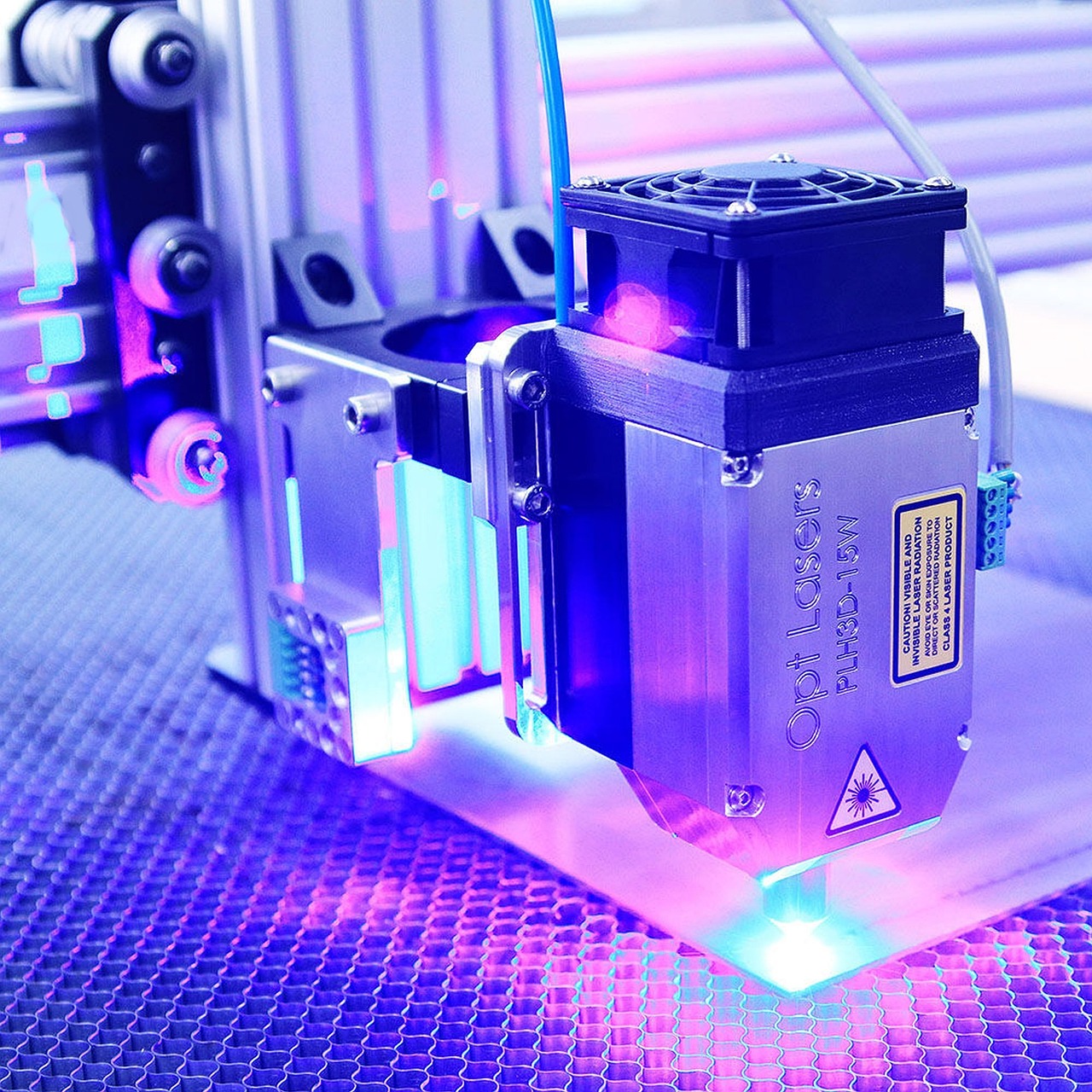
Once you’ve gathered all materials and have a plan, assembling your DIY laser toy becomes the next exciting step. Begin by connecting the components of the electromagnetic setup to your Arduino board. Follow safety protocols in wiring connections, ensuring every component is secured and aligned properly. After the assembly is complete, test the circuit to guarantee the wiring is done correctly. Subsequently, load the necessary code onto your Arduino. There are many online resources available for free Arduino code specifically created for laser pointer projects. Make sure to modify any example code as needed to fit your specific design and motions. Testing each code function allows you to ensure it behaves as expected. You might want to make adjustments, allowing for variations in the laser’s path. Once satisfied, it is time to secure everything in a stable housing. Using a small box or casing can protect delicate components and keep your project safe. Adequate ventilation is necessary for the motor to avoid overheating during extended use. The completion of this setup results in a hands-free laser toy system for your beloved feline.
Testing and Adjusting Your Laser Toy
Testing your laser toy automation is an essential phase of the project, contributing significantly to its effectiveness. Start by turning on the device in a controlled environment, allowing you to observe how the laser is projected on various surfaces. Watch attentively as your cat interacts with the laser’s movements. Most cats will instinctively chase the light, showcasing their hunting instincts. Adjust the speed and direction of the laser to assess your cat’s reactions. Some cats might prefer quicker movements while others enjoy lingering, slower patterns. Record observations regarding what fascinates your pet the most. Success largely depends on understanding your feline’s unique play preferences. You may need to recalibrate the movement patterns to ensure maximum engagement. Safety should remain a priority during every testing session, as you don’t want your cat to experience eye strain or disorientation. If any malfunction occurs, be ready to troubleshoot technical issues like erratic movement or loss of power. By the end of this testing phase, expect to have a fully operational DIY laser toy that keeps your cats entertained for hours.
Integration of additional features can significantly enhance your DIY laser automation toy for cats. Instead of a single movement pattern, consider incorporating multiple programmable sequences. This variation can simulate unpredictability, mimicking the actions of typical prey. Consequently, this keeps your cat thoroughly engaged, stimulating its natural instincts. To implement this, establish various modes through your Arduino code. By doing so, pet owners can switch between patterns, adjusting the speed and range of laser movements to ensure maximum fun. Moreover, adding a timer feature could allow the laser to operate at specified intervals, preventing overstimulation. By programmatically controlling the timing, you can align the device with your schedule. An optional remote can also offer control to the owner, allowing for interactive sessions. Acoustic feedback can be integrated through speakers, producing sounds that accompany the laser movements. These enhancements transform your toy into an interactive experience. Refer to various online tutorials when adding complexity, as they often provide valuable insights and coding examples. Use these features wisely to maximize your pet’s enjoyment, ensuring a happy and healthy playtime lifestyle.
Maintaining Your DIY Laser Toy
Regular maintenance of your DIY laser toy is essential for ensuring its longevity and optimal performance. Periodically check all connections, ensuring they remain secure after prolonged use. Vibration from motors may loosen wires, and loose connections could cause unpredictable behavior during play. Always keep the laser lens clean, as dirt and dust can hinder performance. Use a soft cloth to gently wipe the lens to prevent scratches and ensure maximum brightness. Cleanliness is not only vital for operation but also affects the safety of your cats. Additionally, routinely test the functionality of the motor and remote controls if included. If you notice any lagging or jerky movements, consider lubricating involved mechanics or adjusting the motor settings. Inspect housing units for any damage caused by repeated use, as cracks could expose electrical components. Over time, some elements may need replacement due to wear and tear. Schedule downtime for your toy where it is switched off, allowing the system to cool. By demonstrating proactive maintenance practices, you ensure that your DIY laser toy continues to entertain your cat for an extended period, providing exceptional value for your effort.
Sharing experiences and ideas with other DIY enthusiasts can provide inspiration and foster creativity in enhancing your laser toy design. Various online forums and communities focus on DIY cat toys, where members share insights, tips, and even troubleshooting advice. Participating in discussions and soliciting feedback on your design can lead to innovative solutions and new approaches. Social media platforms like Instagram and Pinterest offer incredible opportunities for discovering unique designs that can further improve your project. Network with fellow cat owners, exchanging stories about your pets’ reactions and experiences with automated toys. You may discover a multitude of DIY projects you hadn’t previously considered. To facilitate collaboration, consider documenting your journey through a blog or video series. This not only showcases your ingenuity but opens up avenues for others to replicate or build upon your designs. Learning from others can streamline your own designs while creating something unique tailored for your cat’s needs. By participating in global conversations, you contribute to a broader community dedicated to innovative and safe play for our beloved pets.
Conclusion: Enjoying the Fruits of Your Labor
Creating a DIY laser toy automation for cats can be immensely fulfilling, enriching the lives of both you and your pet. After going through the steps of planning, constructing, and testing, you will take pride in the finished product. Each playtime session with your cat reinforces the bond between you while providing physical activity essential for their health. Engaging your feline companion with a variety of laser movements keeps their instincts sharp, reducing stress and boredom. As you create a homemade experience tailored to your pet’s preferences, the joy they find in interaction becomes rewarding for you. Remember, safety remains paramount throughout all stages of development and usage. Carefully monitor your pet’s behavior, ensuring that they do not become overly frustrated or stressed during playtime. With ongoing maintenance and potential enhancements, your project can adapt as your cat’s play styles and preferences evolve. Celebrating this unique journey may encourage future projects, leading to endless possibilities in creating dynamic toys for your pet. Embrace the journey of designing and refining not just a plaything for your cat but a source of joy that nurtures your friendship through shared fun.
With creativity and resourcefulness, transforming ideas into DIY projects can inevitably lead to satisfaction and joy in sharing moments with your furry friends. Equip your ideas by gathering tools and resources intelligently; the possibilities remain limitless with commitment and care. Enjoy the crafting process as much as the final outcome, and let your imagination guide you in creating engaging experiences for your beloved pets.