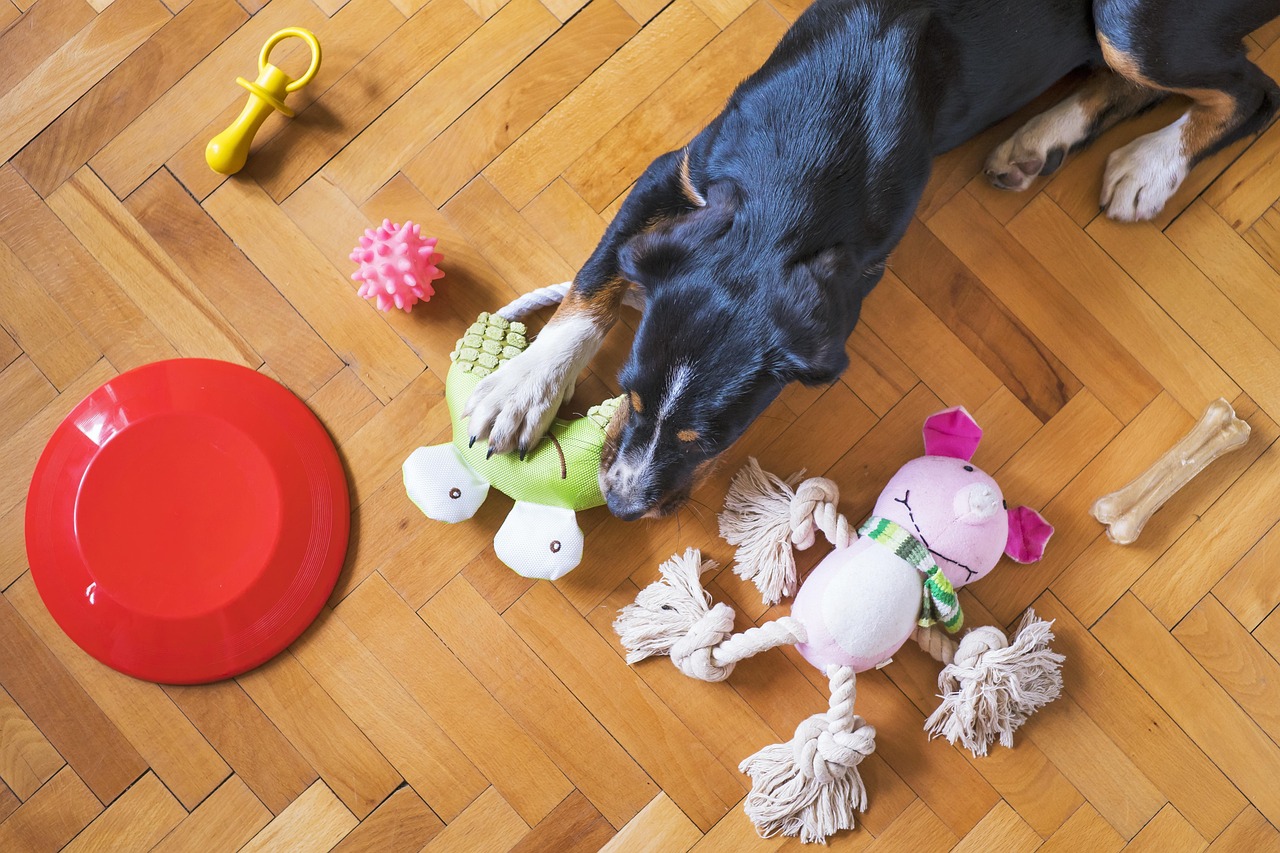

DIY Training Toys: Easy Projects for Engaging Your Dog
Creating DIY training toys for your dog is a fun and rewarding way to engage their minds while developing crucial skills. Many pet owners don’t realize how much value they can add to their dog’s playtime by constructing interactive toys tailored to their canine’s needs. Engaging your dog through customized toys not only stimulates them mentally but also physically. Plus, making these toys can be a fun project for families. One popular toy is a puzzle feeder, which can be created by modifying a plastic bottle. Just cut holes into it and fill it with kibble or their favorite treats. This encourages your dog to work for their food while keeping them entertained. Additionally, you can use tennis balls and old socks to create tug toys. Dogs love to chew and tug at their toys, making them more excited during playtime. Engaging dogs with training toys thus enhances their obedience and strengthens the bond you share. Making DIY training toys fosters creativity and satisfaction, as these toys are sure to bring hours of fun and learning for your dog!
Another excellent DIY training toy is the snuffle mat. To create one, gather some old fleece fabric and cut it into strips. Tie the strips through a rubber mat with holes, allowing you to hide treats within the fabric. This toy promotes foraging behavior and helps with mental stimulation as your dog sniffs around for hidden treats. Not only does it engage their instincts, but it likewise slows down fast eaters, making mealtime more enjoyable. Dogs will benefit greatly from snuffle mats, and they are relatively easy to create at home. If you want a simpler version, consider creating a treat-dispensing toy using a plastic bottle with treats inside. Cut some holes into it, and as your dog pushes and rolls it, the treats will spill out. This not only keeps them busy but encourages physical activity too. Another toy idea is to create a DIY flirt pole, which provides an excellent opportunity for exercise. It consists of a long stick with a rope attached to it, along with a toy dangling at the end. This training tool engages your dog’s natural hunting instincts effectively.
The Versatility of DIY Toys
Flexible options for training tools make DIY projects particularly appealing. You can use simple household items to create versatile toys that your dog will love. For instance, an empty cardboard box can be transformed into a treasure hunt adventure. Fill it with crumpled newspaper and hide some treats inside, letting your dog explore and discover the hidden treasures. Another popular toy idea is a tug toy made from old t-shirts. Cut the shirts into strips and braid them together – this is a fun and simple way to recycle old clothing while creating a plaything for your dog. Dogs enjoy tugging, and this activity fosters healthy interaction between owner and pet. Ever considered a flirt pole? It’s incredibly easy to build using a stick, rope, and a toy. This DIY project provides an excellent workout, allowing your dog to chase and jump around while simultaneously honing their agility. Moreover, DIY projects encourage creativity, allowing you to customize toys specific to your dog’s play style and preferences, ensuring they remain entertained and engaged throughout the day!
Safety is paramount when making DIY training toys for your pets. Always carefully select materials and construction methods to ensure your dog’s safety while playing. Avoid using small parts or toxic substances, as these can pose choking hazards or health risks. Inspect toys regularly for damage and replace them when necessary. Non-toxic fabrics and materials ensure that the toys remain safe even during rigorous playtime. Avoid any paint or adhesive that could be harmful if ingested. Instead, use natural products to help create comfortable and durable toys. Furthermore, remember that different dogs will have different preferences; thus, customizing toys to suit unique personalities can enhance frustration relief and engagement. While involving your dog in play can significantly aid in their emotional well-being, closely supervise them during playtime, especially with newly created toys. It’s essential to provide a safe and comfortable environment so that your dog can relax and thoroughly enjoy their play. Through careful selection and consideration in your DIY creations, you can ensure that your training toys provide many hours of fun and learning!
Enhancing Training with DIY Toys
DIY training toys can be essential tools for fostering learning and obedience in dogs. Engaging in training sessions using these toys provides an opportunity for mental stimulation while teaching commands and improving responses. For example, incorporating a homemade clicker sound during training sessions can enhance your dog’s learning process. You could also use simple toys to reward good behavior while playing. A homemade toy that requires problem-solving can further challenge your dog, making the training process enjoyable. A great method to create a chase toy involves attaching a ball or a stuffed animal to a long string and moving it quickly around your yard or home. This setup encourages your dog to run and jump, reinforcing agility while making training fun. Additionally, DIY toys teach valuable skills like wait and retrieve, building a strong communication system between you and your furry friend. Overall, creatively enhancing training routines established through DIY toys ensure not only obedience but also a deeper emotional connection formed during interactive play and training!
Another creative DIY training toy is a box with holes holding treats. Simply cut small openings in a cardboard box and fill it with your dog’s favorite treats. As they figure out how to get the goodies, they will experience satisfying mental stimulation. Boxes provide endless possibilities for a unique twist on hide and seek. Moreover, they can be adjusted based on your dog’s skills, making them suitable for all levels of learning. In addition, you can create a soft, stuffed toy made from fleece to ensure your dog has something cozy to play with, which can dramatically improve comfort during their downtime. Piece together fabric scraps and sew or tie them, ensuring no small parts are present. Incorporating your dog’s favorite toys into training sessions creates a fun atmosphere in which they can learn critical skills. Furthermore, have different styles of toys catering to various needs, whether engaging activity or mental challenges. By experimenting, you offer new play experiences that keep excitement high while instilling a love for learning and engaging with you!
Sustaining Engagement with Variety
Keeping your dog engaged will greatly benefit from the varied DIY toys you create. Just like humans, dogs thrive on variety; therefore, consistently introducing new toys helps maintain their interest. Rotate the toys, so your dog always finds something fresh to play with, keeping their enthusiasm high. Changing which toys you present can also restore their excitement for training without feeling repetitive. To create additional activities, consider making some seasonal toys for holidays by adding thematic decorations, engaging their sense of sight and smell. These tiny adjustments keep the experience stimulating and relevant while encouraging natural exploration and curiosity. You can transition your dog’s focus to different skills, such as nose work, by cleverly hiding treats among homemade toys. For example, instruct your dog to sniff out their favorite snack hidden in a puzzle toy, reinforcing natural hunting instincts while fostering excitement. Such approaches make daily routines fun rather than standard, encouraging ongoing exploration and engagement. Building unique DIY projects drives both cognitive and physical stimulation for your furry friend in remarkable ways!
In conclusion, DIY training toys can enhance your dog’s playtime while strengthening your bond. The process of creating these engaging toys can be fun and rewarding, providing the added benefit of keeping your pet entertained and mentally stimulated. Moreover, you can experiment with numerous designs and materials, tailoring each toy specifically to your dog’s preferences and play style. Arranging different types of toys encourages variety, sustaining excitement during training sessions. Remember always to prioritize safety when selecting materials and watch out for damaged toys that might pose risks to your dog. Foster your dog’s natural instincts using DIY projects to teach them valuable skills. Through the creative application of household items and materials, your dog will confidently learn commands and build their cognitive abilities. Most importantly, engaging them with fun, interactive toys fosters a lasting bond as they learn and grow alongside you. Involve your whole family in making these delightful DIY training tools, adding an extra layer of enjoyment. Ultimately, investing time in DIY training toys not only enriches your dog’s life but also brings joy to your own as you witness their progress!