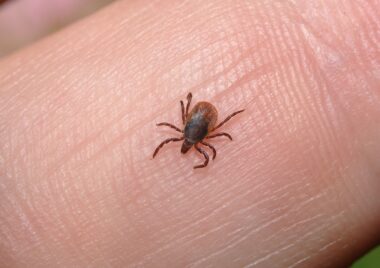

Health Risks Associated with Lice Infestations in Dogs
Lice infestations in dogs can lead to a multitude of health issues that pet owners must be aware of. One primary concern is intense itching caused by these parasites. As dogs scratch and bite their skin, they can inflict wounds that may become infected, leading to more severe complications. It is crucial for pet owners to regularly check their furry friends for any signs of lice or related issues. Lice not only cause discomfort but can also lead to secondary infections due to the damage caused by scratching. Additionally, an infestation can lead to anemia in severe cases, particularly in young and elderly dogs. This happens as lice feed on the dog’s blood, which drastically reduces hemoglobin levels. It’s important to monitor your dog’s health closely during an outbreak of lice. Furthermore, untreated infestations can result in significant stress for dogs, affecting their overall well-being. Preventive measures should also be a part of a dog’s routine care, which includes maintaining grooming and cleanliness. Regular vet check-ups play a critical role in early detection and management of lice infestations.
Besides the physical discomfort caused by lice, there are emotional concerns regarding infestations in dogs. Dogs experiencing persistent itching can display changes in behavior, becoming irritable or withdrawn. They might avoid playing or leading an active lifestyle, affecting their physical fitness. This shift in behavior can also have a negative effect on their relationship with their owners and other pets. Some dogs exhibit anxiety as they become accustomed to constant irritation from lice. This can lead to further emotional distress, making it harder for the dog to engage with its environment. Pet owners should be attentive to any shifts in behavior and comfort levels in their dogs. A lack of social interaction due to irritability caused by lice infestations is counterproductive for the dog’s mental health. If these infestations are identified early, immediate intervention could help restore both physical and emotional well-being. Stress management techniques, like increased attention and comfort, can help dogs cope during treatment. Monitoring your dog’s mental state can be just as important as addressing physical symptoms during a lice infestation. Active engagement with your pet can facilitate their recovery process, enhancing overall happiness.
Symptoms of Lice Infestation
Recognizing signs of lice infestations is crucial for effective treatment. Common symptoms include frequent scratching, chewing, or biting at the skin, which can lead to redness or sores. Dog owners should look for signs of hair loss, especially in areas where lice tend to cluster. Lice themselves are tiny, but their eggs or ‘nits’ can be seen attached to hair shafts. These nits are typically small and often resemble flakes of dandruff, which serves as a clear identifier of an infestation. Another significant symptom is the presence of a foul odor, which may arise from secondary infections on the skin. Vigilant inspection of your dog’s coat is essential, especially if you suspect lice. It’s advisable to use a fine-toothed comb to help identify and remove lice and nits, making the process more straightforward. Regular grooming also helps in early detection of lice infestations before they escalate into a more serious problem. If your dog exhibits any of these symptoms, it’s essential to consult a veterinarian for appropriate treatment options. Acting promptly can minimize discomfort for the dog and prevent the infestation from spreading.
Understanding how lice infestations can spread between dogs is paramount in managing a pet’s health. Lice are highly contagious parasites that can quickly move from one dog to another. Dogs that interact closely, such as playing in dog parks or visiting grooming facilities, are especially vulnerable. Proper sanitation and hygiene can mitigate the risk of outbreaks. It’s also vital to isolate any infected dogs until they are treated effectively. Regularly washing dog bedding and toys can help reduce the spread of lice and prevent re-infestation. Owners should also check any new dogs introduced to their household for signs of lice before allowing them to socialize with other pets. Comprehensive cleaning of shared spaces, such as yards or pet grooming areas, is important to lower the chances of lice spreading. While adopting preventive measures is essential, treating existing infestations promptly is equally crucial for maintaining their health. Using products specifically designed for lice control, recommended by a veterinarian, will facilitate effective treatment. Being proactive and informed about potential lice threats will ensure that your dog remains healthy and happy.
Treatments and Prevention
When it comes to treating lice infestations, several effective options are available. Firstly, consulting a veterinarian is the first step towards a successful treatment plan. Veterinarians may prescribe topical treatments that target lice directly, while also advising bathing routines using medicated shampoos. Along with direct treatments, using flea and tick prevention products can also assist in controlling lice populations. It’s important to administer these treatments strictly as per veterinary recommendations to ensure maximal effectiveness. Regularly combing your dog’s fur with a fine comb helps in detecting lice and their eggs early, making eradication easier. Preventive measures play a vital role in keeping lice at bay. Regular grooming and maintaining a clean living environment for your dog can significantly reduce the chances of infestations. In addition, avoid allowing your dog to come into contact with unfamiliar pets that might harbor lice. Proper diet and overall health maintenance will also help boost your dog’s immune system, making them less susceptible to infestations. Regular veterinary check-ups will further aid in early detection, which is crucial for avoiding larger outbreaks of lice.
In some cases, dog owners may prefer more natural remedies for treating lice infestations. While there are various products on the market, various homemade solutions can be effective as well. Ingredients like essential oils, such as eucalyptus or lavender, have shown promising results among pet owners as natural repellents. However, while substituting chemical treatments, these remedies must be used cautiously, as certain oils can be toxic to pets, especially if misapplied. Always consult with a veterinarian before embarking on any home remedy approaches. Additionally, regular cleaning of your dog’s bedding and belongings with hot water can eliminate any existing lice or eggs. More frequent baths may be beneficial, but care must be taken not to dry out their skin. Dietary supplements that strengthen the immune system can also provide aid in overall health and potentially reduce vulnerability to lice. Engaging your vet in a conversation regarding the best course of action will create a more holistic approach to treatment. Addressing lice issues comprehensively can improve your dog’s quality of life and ward off future infestations.
The Importance of Regular Vet Visits
Regular vet visits are essential for maintaining a dog’s health and preventing lice infestations. These check-ups allow for comprehensive examinations, helping to catch potential issues, including lice, early on. Routine vet visits provide an opportunity to discuss preventive measures tailored to your dog’s needs. Vets can suggest vaccines or treatments that can enhance your dog’s overall health and prevent lice from becoming a persistent problem. Furthermore, veterinarians can offer advice on outdoor activities that minimize contact with environments where lice might thrive. Alongside this, consultations can allow pet owners to learn about the latest advancements in pet care or alternative treatments. These visits help to keep dog owners informed about the most effective ways to promote their pet’s longevity and well-being. Regular veterinary care minimizes the risk of significant health challenges arising from parasites like lice. Engaging with trusted professionals ensures that your pet receives the best guidance tailored to its individual circumstances. Therefore, keeping up with vet appointments not only protects against lice but enhances the quality of life for your furry companions.
Finally, awareness is pivotal when dealing with lice infestations in dogs. Pet owners need to be educated about the risks and signs associated with lice to ensure swift action is taken. Community resources, such as vet offices and local pet groups, play considerable roles in spreading awareness. Training sessions on handling lice and other parasites can equip owners with knowledge for future situations. It is crucial to share experiences and guidelines about lice management with other pet owners to foster a knowledgeable community. Collective sharing of information allows for a more proactive approach to maintaining pet health. Online platforms serve as a fantastic resource for pet lovers to learn and educate others about lice and related health risks. How dogs can contract lice, symptoms to watch for, and when to seek professional help are all critical educational components. By creating a community of informed dog owners, you can help reduce the prevalence of lice infestations. Ultimately, the objective is to enhance the health and well-being of all dogs. Raising awareness and educating fellow pet owners can lead to healthier experiences for pets and their companions.