
How to Identify Stress in Cats Through Grooming Habits
Recognizing stress in cats can be challenging, but one critical way to spot it is through their grooming habits. Cats are known for their meticulous grooming, which usually indicates comfort and security. However, when they are stressed, their grooming behaviors often change significantly. For instance, a stressed cat might over-groom, leading to bald patches and skin irritation. Conversely, some cats may stop grooming altogether, resulting in a dull, unkempt coat. Understanding these signs can help cat owners identify stress levels and address the underlying causes. Regular observation of grooming habits is essential to recognize any sudden changes. Take note if your cat is exhibiting patterns of excessive grooming or neglecting hygiene altogether. By monitoring these changes, you can intervene early and alleviate your cat’s stress. Environmental factors, such as changes in household dynamics or new pets, might impact your cat’s stress levels as well. Watch for any additional behavioral changes alongside grooming patterns. Consulting a veterinarian about these changes can also provide insights and possible treatments to ensure your cat remains happy and healthy.
In addition to behavioral changes, physical signs of stress in grooming habits could manifest in several ways. If your cat exhibits frequent scratching at their skin or pulling out fur, these could be signs of anxiety or stress. Stress can sometimes lead to skin conditions that require immediate veterinary intervention. Cats might also bite at their own skin in response to stress, leading to serious injuries or infections. Observing your cat during grooming can help you catch these issues early. Make sure your cat has access to a calm environment where they feel secure, as this can mitigate stress. A soothing atmosphere may reduce anxiety and restore healthy grooming behaviors. Providing scratching posts and toys can foster positive stress relief activities too. Additionally, incorporating regular playtime can distract your cat from stressors and encourage healthy habits. Be attentive to your cat’s grooming rituals and ensure they’re not exhibiting signs of distress. Proper nutrition and hydration also play a crucial role in overall well-being, so ensure your cat has access to fresh water and nutrients in their food.
Understanding the Importance of Routine
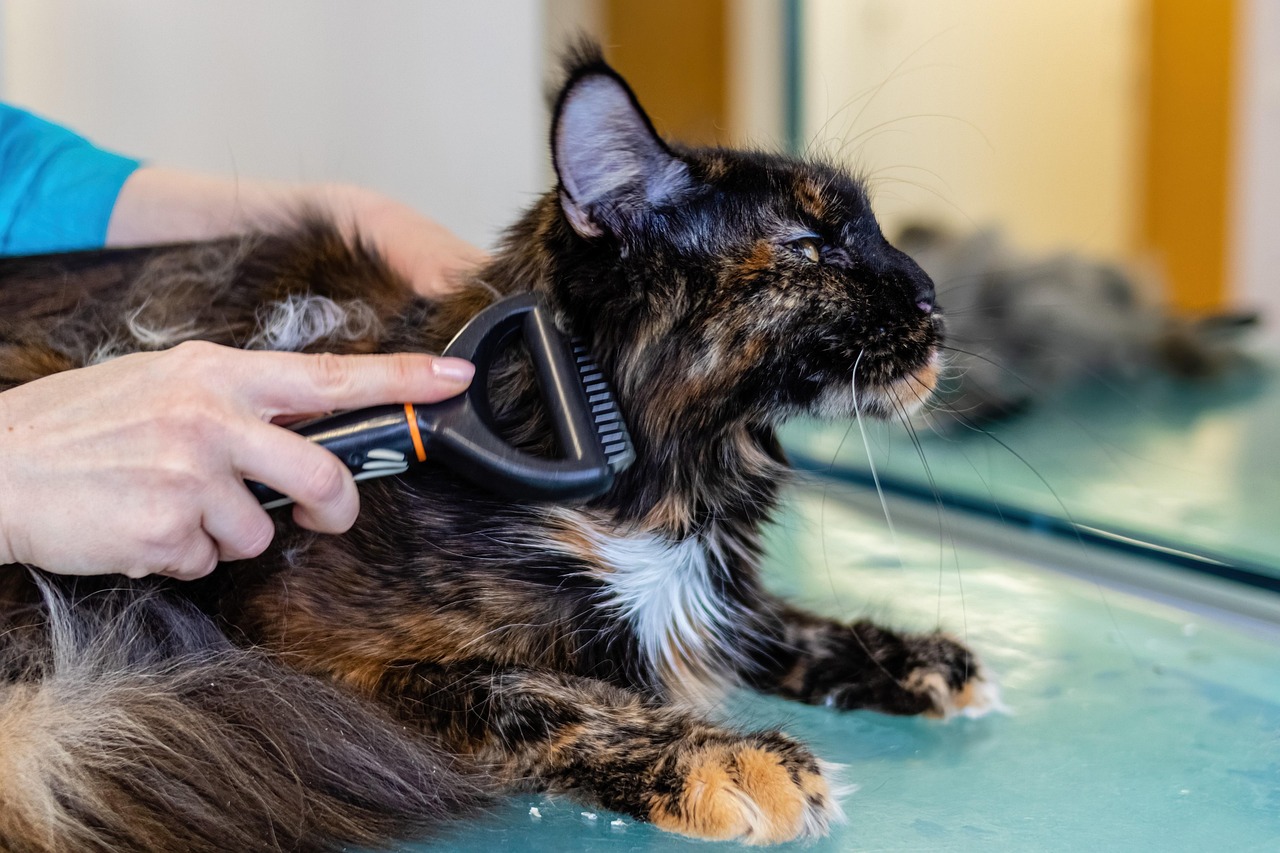
Establishing a regular grooming routine not only helps maintain your cat’s coat but also offers a fantastic opportunity to bond with your pet. Cats typically thrive on routine, as it provides them with a sense of security and predictability. Routine grooming can help you determine any changes in your cat’s behavior or physical health related to stress. During grooming, you can check your cat for any unusual lumps, bumps, or skin conditions that might indicate underlying health issues. Moreover, the act of grooming can be a relaxing experience for your cat if done correctly. Use gentle strokes and soothing brushes to create a calming environment during your routine. Gradually introducing grooming sessions can also help mitigate anxiety in cats who are sensitive to handling. Consistently spending time grooming reinforces trust between you and your kitty. When your cat feels secure, their stress levels are likely to decrease, leading to healthier grooming habits. Remember, the goal is to make grooming a stress-free experience. Every session should leave your cat feeling loved, and this can have a significant positive impact on their overall well-being.
Moreover, pay attention to specific tools you use during grooming. Some cats may react negatively to certain brushes or combs, so it’s essential to choose tools that suit your cat’s coat type. For long-haired cats, a wide-toothed comb can help detangle fur without causing discomfort. Short-haired cats may benefit from a rubber grooming glove, which can provide a gentle massage while removing loose hair. Experiment with various grooming tools to find what your cat prefers. This attentiveness further contributes to their comfort and can help reduce stress during grooming sessions. It’s essential to listen to your cat’s cues during grooming too. If they seem agitated or attempt to escape, it may be best to take a break and try again later. Gradually building up the length of grooming sessions can lead to progress over time. Never rush the process, as patience is key. By respecting your cat’s feelings about grooming, you can foster a deeper bond and create a more positive experience for both you and your furry friend.
Monitor Environmental Stressors
Environmental factors can play a significant role in your cat’s overall stress and, subsequently, their grooming habits. Changes like moving, new pets, or loud noises can create anxiety and alter grooming behavior. Cats are creatures of habit and can become stressed when their environment is disrupted. If your cat shows signs of stress in their grooming habits, consider any changes to their surroundings. Creating a peaceful oasis for your cat can help mitigate these stressors. Ensuring they have a safe space with their favorite toys and comfy bedding can provide comfort. Additionally, keeping a constant daily routine helps reduce anxiety in your cat. Feeding them at the same times each day and maintaining a calm household can greatly enhance their sense of security. Understanding what can trigger your cat’s stress is vital in keeping them relaxed. Sometimes, it may be beneficial to provide your cat with hiding spots where they can retreat if feeling stressed or overwhelmed. Such spaces can be as simple as a cardboard box or a cozy corner filled with blankets.
Training and enrichment can also help reduce stress for your feline friend. Engaging your cat in interactive play can not only provide physical exercise but also stimulate their mind. Toys that mimic prey with feathers or movement can keep your cat entertained and decrease feelings of anxiety or boredom. Puzzle toys can engage their intellect and promote problem-solving skills, which contribute to their happiness. It’s essential to encourage positive play behaviors, so your cat associates such times with enjoyment rather than anxiety. Socialization is another factor to consider. If your cat is not used to other pets or people, introducing them gradually can help reduce the stress associated with new interactions. Always observe your cat’s reactions during these introductions and adjust the pace as necessary. Consistent engagement and socialization ensure your cat stays happy, which directly impacts their grooming habits. Remember to reward positive behaviors with treats and affection to reinforce their confidence and reduce stress.
Lastly, if you’re concerned about your cat’s grooming habits or their signs of stress, don’t hesitate to seek assistance from a veterinarian or a feline behaviorist. Professional insight can provide specific advice tailored to your cat’s unique situation. They can help rule out any underlying health issues that may affect grooming habits or examine other environmental stressors. Changes in grooming can sometimes indicate health problems that require immediate attention. In some cases, therapies or medications may be recommended to help manage your cat’s anxiety. Always prioritize your cat’s well-being by maintaining regular veterinary visits. Alongside professional help, consider natural remedies or calming products specifically designed for cats. Such products can assist in reducing stress and anxiety when used alongside your grooming routine. Most importantly, remember that each cat is unique, and understanding your pet’s needs takes time. By being attentive and proactive, you can ensure your cat feels safe and secure, leading to healthier grooming habits and a happier life.
In summary, recognizing stress in cats through their grooming habits is essential for their overall well-being. Regularly monitoring and establishing a grooming routine allows you to observe behavioral patterns, promoting a deeper bond between you and your cat. Whether through excessive grooming or neglecting care altogether, understanding these signs can help identify stress early. By providing a calm environment, proper grooming tools, and engaging activities, you can significantly contribute to improving your cat’s mental health. Be mindful of environmental factors that could play a role in your cat’s anxiety and adjust as needed. This includes keeping a consistent routine and ensuring safe spaces are available for your cat to retreat. If stress persists, consulting a veterinarian can provide additional support and recommendations tailored to your pet’s needs. Ultimately, every cat deserves a stress-free life filled with love and attention. By working together with your veterinarian and remaining observant, you will be equipped to take action before stress escalates. Your commitment to understanding your cat’s needs and behaviors can lead to a more fulfilling life for both of you.