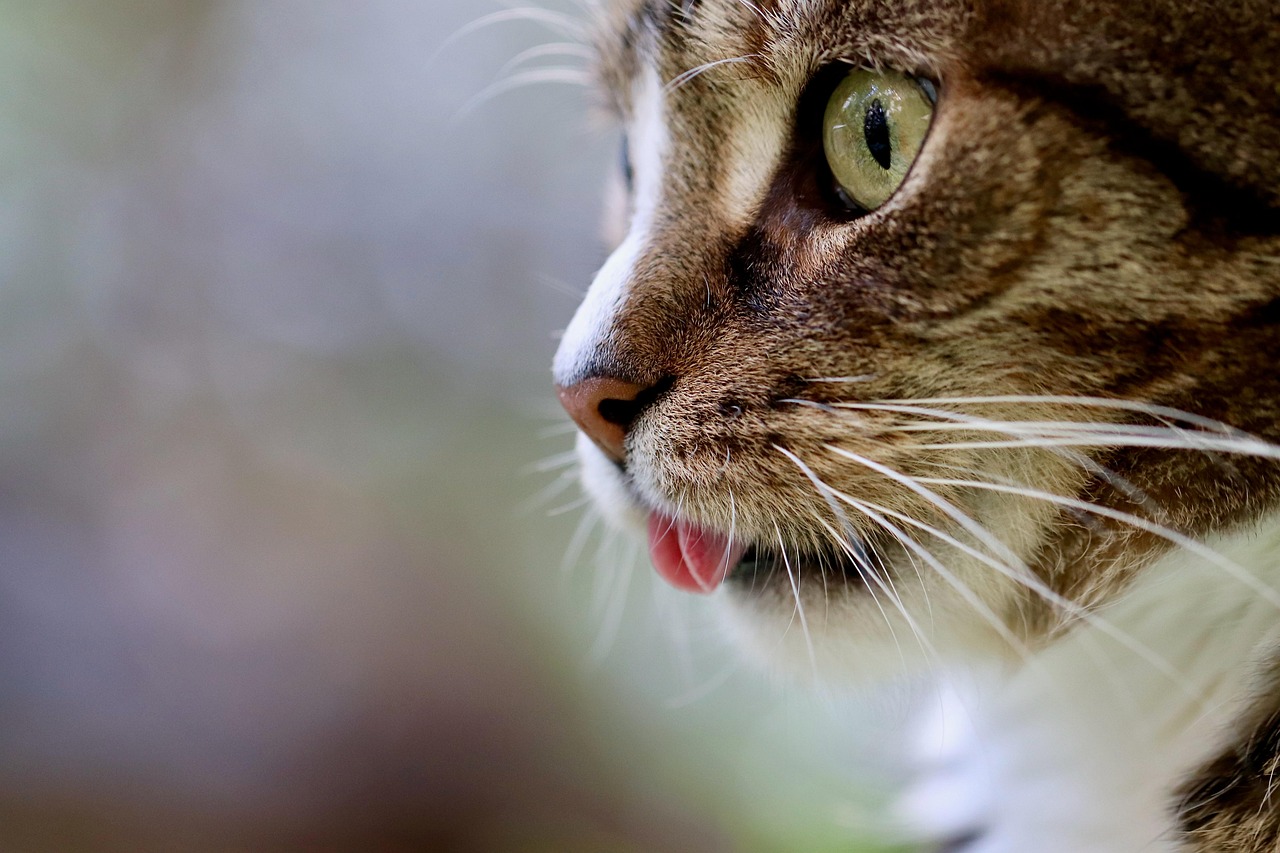

How to Prepare Your Cat for Its First Vaccination Appointment
Taking your cat for its first vaccination appointment can be a significant step in ensuring its health. Start by selecting a veterinarian who specializes in feline care and has a good reputation. You should also consider clinics that provide a comfortable environment for cats, as this can alleviate stress. Before the appointment, gather necessary documents such as your cat’s medical history. This information will help the vet provide the best care and make informed decisions regarding vaccinations. Additionally, ensure that you have a carrier that your cat is accustomed to. The feeling of security during travel can make a big difference in their comfort level. It’s essential to observe your cat’s behavior before the appointment; if it displays signs of anxiety, you may try a calming product recommended by your vet. Lastly, plan your visit during a quiet time of day. Busy hours can lead to anxiety for both you and your cat, so finding a suitable time will help. These steps are fundamental to preparing your feline companion for its vaccinations.
On the day of the vaccination appointment, it’s crucial to maintain a calm environment for your cat. Cats can pick up on their owners’ emotions, so staying relaxed will help. Avoid using harsh language or fast movements that could frighten your cat. If your feline shows signs of anxiety, such as hiding or excessive meowing, speak softly and reassure them. It’s helpful to bring a comforting item, like a blanket or toy that smells like home, to the appointment. This familiarity can ease your cat’s nerves. Once you arrive at the clinic, make sure to register your cat and provide the medical history you gathered earlier. During the waiting period, keep your cat secure in its carrier to prevent escape. If there are other pets in the waiting area, maintain distance to avoid potential stress. As your cat is being examined, the vet may provide insights into vaccinations and what to expect afterward. Ask questions if anything is unclear; understanding the process is vital. Remember that vaccinations are a crucial part of your cat’s health.
What to Expect During the Vaccination
During the vaccination itself, the veterinarian will administer the vaccine through an injection, typically in your cat’s leg. Most cats handle this surprisingly well, but every cat responds differently. Some might experience a bit of discomfort or soreness at the injection site, while others may not show any signs at all. It’s essential to observe your cat closely afterward for any unusual behavior. Most baseline vaccinations are highly effective and create an important immune response. Following the vaccination, the vet will likely discuss potential side effects. These may include signs of mild discomfort, lethargy, or reduced appetite for a day or two. If your cat exhibits any severe reactions, such as swelling or difficulty breathing, contact your veterinarian immediately. Most reactions are mild and self-limiting, but it’s always wise to be vigilant. Additionally, your vet will provide a schedule for future vaccinations and other preventive care, ensuring your cat stays healthy over time. Make sure to maintain a vaccination record for your cat, as it will help in managing future veterinary appointments.
After your cat’s vaccination, allow it some time to adjust back to its home environment. Your pet may feel a little woozy or tired from the vaccine, and it’s good to provide a comfortable space for resting. Create a quiet area where your cat can retreat if it feels overwhelmed. Offering plenty of water and its favorite food could help encourage normal behavior. Monitor your cat for any side effects throughout the day. If prolonged lethargy or lack of appetite persists beyond a day or two, consult your vet for advice. Engaging with your cat through gentle play can help distract from discomfort but respect their need for rest. It’s also important to stick to follow-up appointments as recommended. Keeping current on vaccinations protects not only your cat but also other pets it may interact with. Consider your cat’s overall well-being and lifestyle when planning for additional vaccines or boosters. Your vet can assist with tailored advice on managing follow-up care for your furry friend, ensuring that it remains healthy and happy.
Understanding Different Types of Vaccines
Vaccinations for cats can vary widely depending on health needs and local regulations. Core vaccines are crucial for all cats and include protection against diseases such as rabies and feline distemper. Non-core vaccines are optional and recommended based on your cat’s lifestyle and environment. For instance, if your cat frequently interacts with other animals, vaccines for feline leukemia or feline immunodeficiency virus may be advised. Always discuss with your vet which vaccines are suitable for your cat. It’s also important for you to understand the process each vaccine protects against and why they are necessary for overall health. The timeline for initial vaccinations may also include a series of boosters to create a strong immune response. Your veterinarian will guide you through the vaccination schedule to ensure that your cat receives the best possible care. Staying informed about vaccines helps you familiarize yourself with pet healthcare. Make sure to ask your vet any specific questions regarding your cat’s health. Clear communication will aid in creating a suitable vaccination program.
Documentation of your cat’s vaccinations is essential for ongoing health. Make sure to keep an organized file that includes vaccination records and any other related veterinary reports. This can be important not only for personal tracking but also for potential emergencies where vaccination status may be needed. If you intend to travel with your cat or board it at a pet care facility, proof of recent vaccinations will likely be required. Politely ensuring that your cat is up to date on vaccinations can provide peace of mind while caring for your pet during times away from home. You can also download apps designed to manage pet health records. These can send reminders for upcoming vaccinations or vet appointments which helps ensure your cat remains healthy. For the sake of your cat’s well-being and the safety of other animals in your community, maintaining these documents and follow-up appointments is paramount. Encouraging friends to stay educated about cat vaccinations can further promote the veterinary health of local cat populations. Sharing knowledge is a great step toward building a community dedicated to pet health.
Conclusion and Final Tips
As you approach your cat’s vaccination, remember that being well-prepared reduces stress for both you and your furry friend. Keep lines of communication open with your veterinarian and never hesitate to engage them with questions or concerns. Watching your pet closely during this process aids in determining how it reacts to the vaccines. After the first vaccination experience, you and your cat will likely grasp the routine involved in maintaining health through shots. The benefits far outweigh the temporary anxiety both of you may feel. Make veterinary visits a positive experience by rewarding your cat afterward. Treats or extra playtime can create a positive association with the vet. This will make future visits smoother and less intimidating. Building familiarity with the vet and clinic staff can also alleviate future appointment stress. Be patient with your feline friend; each cat is unique, and its reaction may vary. Ensuring consistent healthcare leads to a long, fulfilling life for your cat, filled with love and companionship. Consider joining community groups or forums to connect with other cat owners for support and knowledge sharing.
Good luck with your cat’s vaccination journey! Every cat is different, and what works for one might not be suitable for another. Keep this in mind as you prepare and adapt the suggestions based on your cat’s preferences and reactions. Make vaccination appointments a part of your regular pet care routine to prioritize your cat’s health. The joy of watching your feline companion grow, explore, and flourish is worth the effort invested in responsible pet ownership. Educate yourself continuously about feline health by reading up on articles, magazines, and studies on proper care. Knowing the underlying factors associated with vaccinations will empower you to make informed decisions. Find out about local shelters or organizations that might offer free vaccination events; taking advantage of these opportunities is often beneficial. It’s also worth delving into cat health forums, where you can connect with fellow owners. Supporting each other can lead to a wealth of knowledge in caring for your cats. A well-informed cat owner is essential to promoting a healthier environment for all pets.