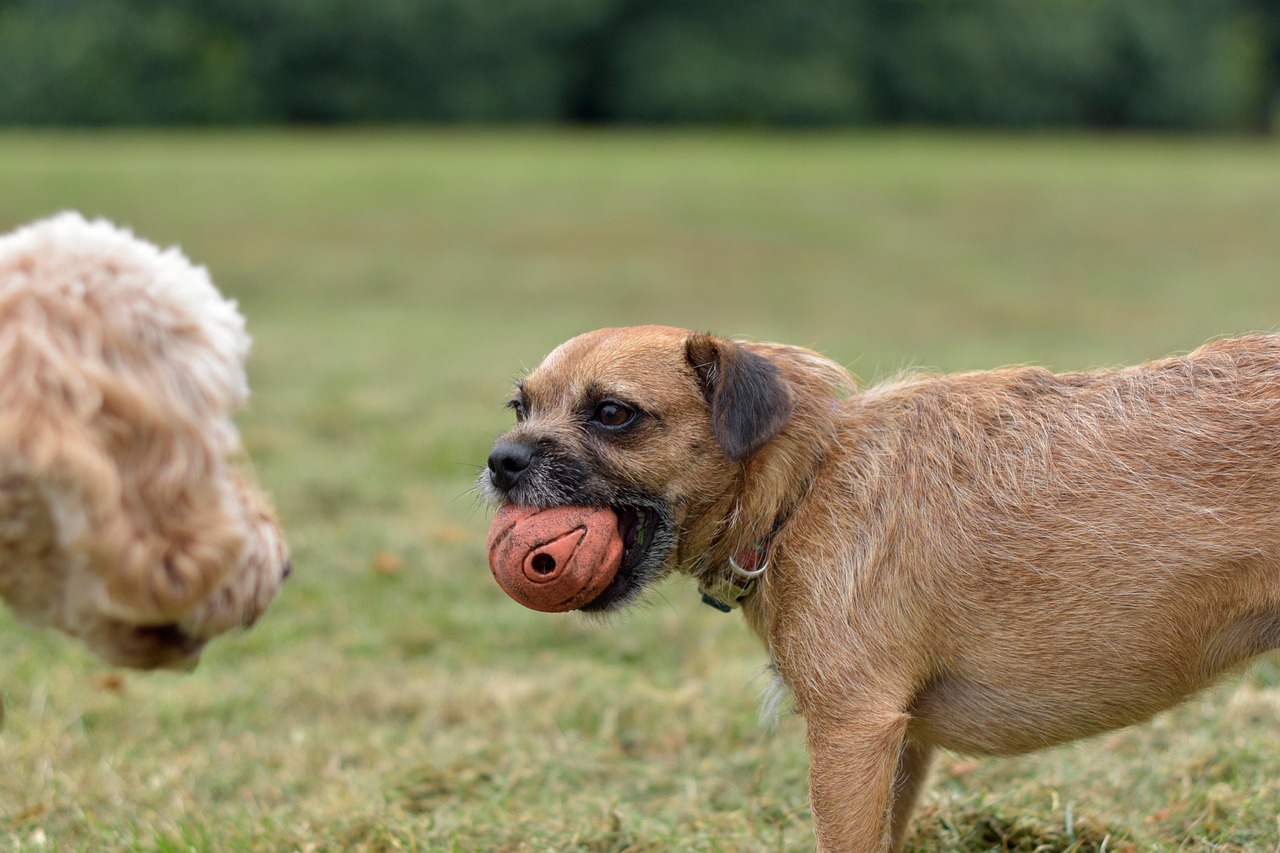

How to Safely Intervene in Your Dog’s Possessive Behavior
Possessive behavior in dogs is quite common and can manifest in various ways. This behavior typically arises when dogs feel the need to protect their food, toys, or even their owners from perceived threats. Understanding why dogs exhibit possessiveness is crucial for devising effective intervention strategies. Often, possessive behavior is rooted in insecurity or a fear of losing resources. Consequently, it’s important to approach the situation with empathy and care. Recognizing the signs of possessive behavior, such as growling, snapping, or guarding, helps owners decide when it’s necessary to intervene. Owners should never resort to aggression or punishment, as it can exacerbate the issue and lead to further behavioral problems. Instead, a more effective approach involves positive reinforcement. This method enables dogs to associate good experiences with sharing their resources. Establishing a baseline of trust and security within the household can significantly reduce possessiveness over time, benefiting both the dog and its owner in the process. Working with a professional trainer can provide additional insights and strategies tailored to the individual dog’s needs.
To begin addressing possessive behavior, one should practice patience and consistency. It’s vital to regularly engage your dog in controlled situations where possessive behavior may arise. For instance, during feeding time, you should calmly observe your dog’s reaction when approached while eating. This allows you to monitor their behavior and identify triggers that may lead to possessiveness. Gradually desensitize your dog to these triggers by approaching them during meals and being present while they eat. Use high-value treats to divert their attention away and create a positive association with your presence. Training exercises, where you reward your dog for calm behavior around resources like toys or food, can also be highly beneficial. Additionally, employing a “leave it” command teaches your dog to relinquish items on cue. Consistency with commands over time fosters a sense of security for the dog, allowing them to feel reassured that they won’t lose their cherished belongings. Also, engaging in playtime with your dog fosters teamwork and strengthens the bond between you and your pet, further alleviating possessiveness.
Socialization plays a significant role in curbing possessive behavior in dogs. When dogs are exposed to various environments, people, and other dogs, they learn to feel more secure in their position within the household and community. Arranging playdates with well-behaved dogs can reduce possessiveness while providing a safe space to practice sharing and social skills. A controlled dog park scenario can also help. Introduce your dog to new situations and environments gradually while watching for signs of possessiveness. Reward them for positive interactions and shared play, reinforcing the idea that sharing is a rewarding experience. Engaging in group training classes helps with socialization and provides additional support from trainers to address possessive behaviors. Another method that can enhance socialization is to make the greatest use of interactive toys that require multiple dogs to engage together. Instead of focusing solely on their toys, incorporating games wherein two or more dogs work together fosters collaboration and teamwork. This breaks down a dog’s fear of resource loss, reinforcing positive behavior and reducing possessive tendencies.
Reinforcing Positive Behavior
Implementing strategies for reinforcing positive behavior when your dog exhibits possessive behavior is essential. One effective method is positive reinforcement training, where you reward your dog when they show calm behavior in possessive situations. For example, if your dog shares a toy without growling, rewarding them with treats or verbal praise can show that sharing leads to positive outcomes. Ensure that rewards are consistent and frequent, especially during the initial phases of intervention. Gradually increase the difficulty of situations, rewarding your dog for remaining calm in harsher stimuli. This way, the dog learns that maintaining a relaxed disposition garners more rewards. Additionally, use an “exchange” method to replace something your dog may be possessive about with a more appealing option. This reinforces the idea that relinquishing possession doesn’t lead to loss but rather offers something better. Owners should remain vigilant in situations that may trigger possessive behavior. Keeping a close eye during playdates or family gatherings ensures timely interventions whenever possessiveness arises. Never hesitate to encourage sharing and collaboration during activities with other dogs.
Understanding your dog’s body language is vital in managing possessive behavior. Look for signs such as stiff posture, raised hackles, and sudden tensing of muscles, which may indicate discomfort or potential aggression. If a dog growls, it’s a warning that they are feeling threatened and may escalate if the issue is not addressed. Recognizing these signs ahead of time can help owners intervene effectively before the situation escalates. Moreover, ensuring a separate space or area for your dog during potentially stressful events can provide necessary relief, minimizing the chance of possessive behavior occurring. Creating a safe space can enhance your dog’s sense of security by giving them a retreat when they feel overwhelmed. Using a crate or designated area can also give them a go-to escape and soothe them. Lastly, while it is crucial to address possessive behaviors, owners should be aware not to instill fear or anxiety, as it can worsen the situation. Instead, a calm, reassuring presence can allow the dog to manage their feelings of insecurity in a healthier manner.
For some dogs, possessive behavior can stem from previous experiences of abuse or neglect. Many rescue dogs may exhibit possessiveness over items as a result of past trauma, understanding that food or toys were scarce. In such situations, it’s important to provide special consideration and patience. Giving these dogs time gradually helps build their trust with humans. Approaching the resource issue cautiously prevents triggering driven instinctive behaviors. Consequently, ensuring a stress-free atmosphere and avoiding confrontational training methods further aids in the process. Additionally, consider working alongside a qualified dog trainer, particularly one experienced with rehabilitative techniques for rescued dogs. They can provide effective strategies tailored to mitigate possessiveness and build trust over time. Above all, continuing to establish a safety and security framework allows for healing and reassures the dog that their past will not be repeated. Keeping the quality of life high and establishing routines can further aid their sense of normalcy while addressing behavioral issues. This gentle progression, rooted in trust and understanding, enables your dog to thrive and overcome possessive tendencies.
Conclusion and Ongoing Monitoring
In conclusion, addressing possessive behavior in dogs requires a combination of understanding, patience, socialization, and consistent positive reinforcement. Each dog is unique, and their experiences can shape their behavioral tendencies. Owners must tailor their strategies to fit their dog’s individual personality and needs. Monitoring progress regularly and revising strategies as necessary ensures continued success. Additionally, collaborating with fellow pet owners or trainers can be beneficial. Sharing experiences and techniques may provide fresh perspectives on combating possessiveness. Taking a proactive approach instead of reactive addresses the underlying issues and fosters long-term behavioral change. Furthermore, it is essential for owners to remember that setbacks might occur. Remaining positive and establishing a strong support system will help dog owners navigate these challenging times. If possessive behaviors persist despite ongoing efforts, seeking the help of a behavioral expert may also yield better insights. Regularly engaging in various situations and encouraging positive experiences will ultimately create an environment conducive to your dog flourishing without possessive tendencies. Prioritizing emotional wellness cultivates stronger bonds with fur babies and allows for gradual behavioral adjustments.
As dogs navigate through life and experiences, equipping them with the tools to manage possessive behavior will lay the foundation for a healthier relationship with their owners and the environment. By proactively monitoring and addressing issues consistently, dog owners can create a serene setting where their dogs feel secure. Alongside, spending quality time with dogs engaged in fun and collaborative training will reinforce the idea of shared enjoyment rather than possessiveness. Every positive interaction, whether through trust-building exercises, social engagement, or training, furthers the bond established between pet and owner. Keeping communication open with trainers and involving family members ongoing throughout this journey fosters consistency in applying techniques as well. Remember that overcoming possessive behaviors isn’t immediate; commitment and dedication play a key role. While working on these strategies, celebrate the small victories for motivation, no matter how small. Building a collaborative life with your furry friend will alleviate anxiety and promote a more harmonious living experience. With concerted efforts and time, dogs can learn to relinquish possessive behavior, embracing a common lifestyle as you journey through life together.