
How to Use Distraction Techniques to Manage Aggression in Cats
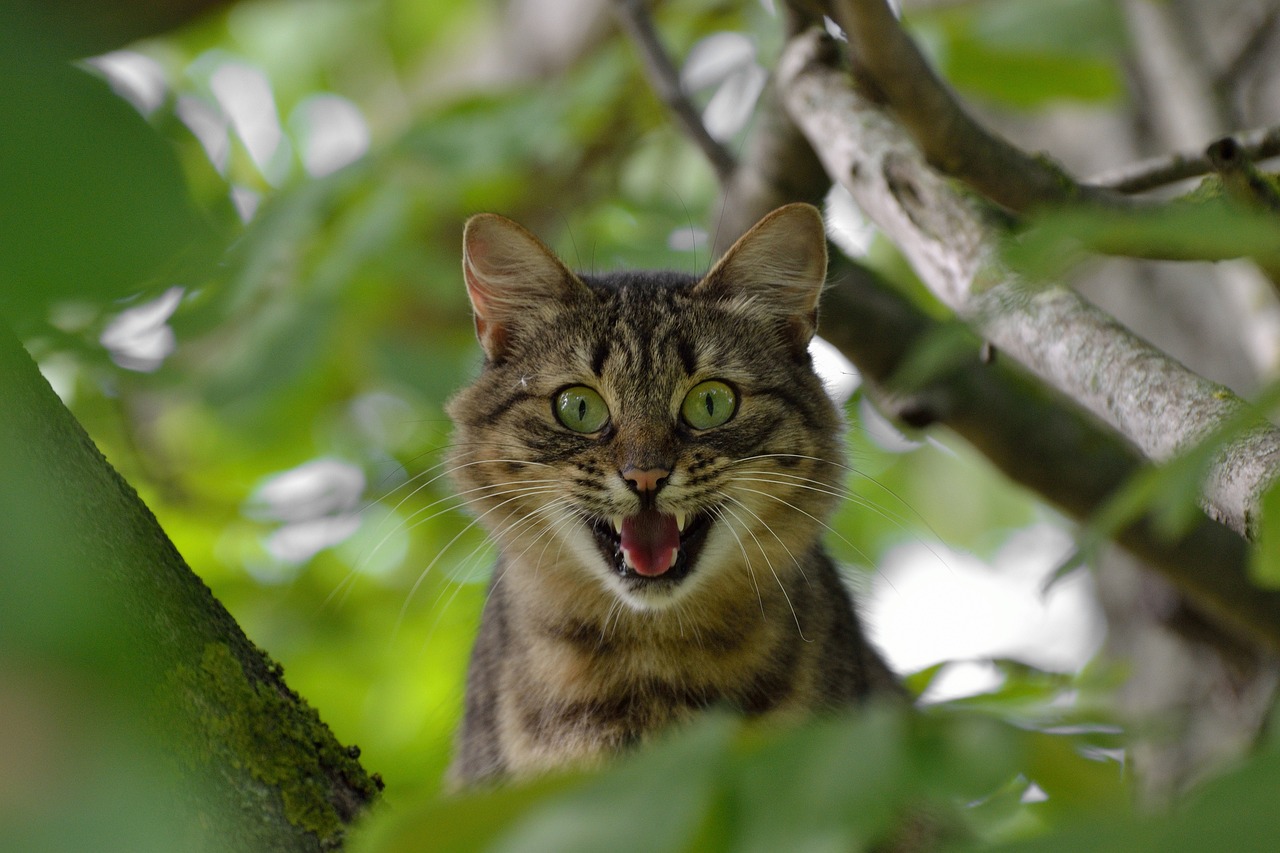
Dealing with a cat’s aggressive behavior can be challenging for any cat owner. Understanding the triggers behind this aggression is crucial for finding effective distraction techniques. First, observe your cat’s body language carefully. Signs such as flattened ears, dilated pupils, and a puffed-up tail indicate distress, fear, or aggression. Often, aggression is a response to feeling threatened or cornered, so proper knowledge helps in managing the situation. Recognizing these signals early allows you to use distraction techniques effectively. Second, environment plays a significant role in a cat’s emotional state. Ensure a calm and safe space for your feline friend. Minimize any potential stressors like loud noises or the presence of other pets. Use toys or activities that can divert your cat’s attention when you notice signs of aggression. Engaging your cat in play can also strengthen your bond. Consider using interactive toys or puzzle feeders to keep your cat mentally stimulated. Training your cat using positive reinforcement can also be beneficial, reinforcing non-aggressive behavior over time.
Effective Techniques for Distraction
Implementing distraction techniques for cat aggression is a proactive approach. One effective method includes using toys to redirect your cat’s focus. Feather wands, laser pointers, or crinkle balls are engaging options. These toys help shift your cat’s energy away from aggressive displays and towards playfulness. Make sure to rotate toys regularly to maintain your cat’s interest and excitement. Another technique is using sound to distract your cat. When you notice aggressive behavior, you can shake a container filled with coins or bells. Similar noises can catch your cat’s attention and break the aggressive instinct. Additionally, calming music or pheromone diffusers may also help create a soothing environment. Offering treats or snacks during moments of aggression can reinforce positive behavior. Also, try to associate good experiences with potentially aggressive triggers; for example, if your cat is calm near another pet, reward him for that behavior. Additionally, creating safe spaces in your home where your cat can retreat can diminish feelings of threat, thereby preventing aggressive reactions.
Understanding the overall well-being of your cat is essential in managing its aggression effectively. A healthy and happy cat is less likely to exhibit aggressive behavior. Make sure your cat receives regular veterinary check-ups and vaccinations. Additionally, keep a close eye on your cat’s diet, ensuring it’s balanced and suitable for its age and lifestyle. Sometimes, underlying health issues can trigger aggression, and early detection is key. Promote regular exercise for your cat by allowing ample playtime and exploration. Healthy cats are generally calmer and more well-adjusted. Incorporating scratching posts or climbing trees can also help relieve stress. Creating an enriched environment allows your cat to release pent-up energy through natural behaviors without resorting to aggression. Moreover, using a variety of textures and climbing options engages their natural instincts and reduces irritability. If after employing distraction techniques aggression persists, consider seeking the help of a professional animal behaviorist. They can offer insights tailored to your specific situation, guiding you effectively toward long-term solutions.
Positive Reinforcement in Distraction Methods
Positive reinforcement plays an important role in successfully managing aggression in cats. This technique encourages your cat to engage in desirable behaviors instead of falling into aggressive patterns. When using distractions, rewarding your cat with treats, praise, or affection strengthens the bond between you and your pet. Effective timing is crucial, so deliver rewards immediately after your cat exhibits calm behavior during potentially aggressive situations. When your cat associates positive outcomes with calmness, it encourages repeat behavior. Use clicker training to mark the exact moment your cat responds well to distractions. This method creates clarity in the training process, allowing your cat to understand what behaviors are rewarded. Incorporate gradual exposure to triggers while maintaining rewards for calmness. Rate of progress varies from cat to cat, so patience is essential. Remember that some cats may take longer to adapt than others, and it’s important not to push them too quickly into stressful situations. Regular practice combined with positive reinforcement can tremendously alter your cat’s response towards aggression in the long run.
Recognizing when to intervene during aggressive behavior is vital for both you and your feline companion. If your cat exhibits signs of aggressiveness, it’s crucial to intervene safely. Never attempt to physically discipline your cat, as this can escalate the situation or worsen their fear. Instead, employ distraction techniques carefully, ensuring both you and your cat remain safe. Maintain a safe distance from aggressive displays and allow your cat space to calm down naturally. Do not shout or react aggressively, as loud noises may further agitate them. If distractions fail to work, consider isolating the cat in a quiet, comfortable area until they settle down. After aggressive episodes, review their triggers and consider making adjustments to the environment or your approach. A consistent and calm demeanor is essential when managing aggression, as it provides stability for your cat. Continuously monitor your cat’s behavior and adjust strategies as necessary, remembering that understanding your pet’s needs takes time. Building trust is a slow process, but with patience and consistency, better behavior can be managed effectively.
Conclusion and Recommendations
Understanding and managing aggression in cats requires a mix of observation, patience, and effective distraction techniques. By combining various strategies, you can create a harmonious living environment for both you and your cat. Begin with careful observation of your cat’s behavior, and learn to identify the early signs of aggression. Use toys, sounds, and treats as tools to redirect your cat’s focus. Remember to reinforce calm behavior using positive reinforcement. Ensure that your cat receives adequate physical and mental stimulation to prevent boredom-related aggression and help them thrive. If aggression continues despite these efforts, do consult a veterinarian for additional insights and professional guidance. Enrolling your cat in behavioral classes or seeking a certified animal behaviorist may be beneficial. They can provide tailored insights that address your specific challenges. The goal is to create a safe, nurturing environment for your furry companion while reducing aggressive tendencies. Through consistency and love, you will foster a peaceful coexistence with your feline friend, ensuring their happiness and safety at home.
By systematically applying these distraction techniques and strategies, you’ll cultivate a deeper understanding of feline emotions. A calm and non-aggressive environment benefits both you and your cat, leading to a positive transformation in behavior. It’s important to be patient and always focus on the emotional well-being of your cat. As you navigate this process, observe your cat closely and alter your strategies as necessary. Working through aggression is an ongoing journey, and consistency plays a major role. Needing to adapt to your cat’s needs and preferences helps build a more resilient bond. With continuous effort, you can significantly reduce aggressive tendencies, leading to a happier feline companion. Remember, it’s never too late to implement changes that can help your cat thrive emotionally. Lastly, utilize the support of dedicated online communities or cat forums, as many cat owners have insights to share based on their experiences. Sharing knowledge and seeking advice can provide additional strategies to apply as you navigate feline aggression. Your commitment to your cat’s happiness will surely yield positive results in their behavior over time.