
Preventing Common Injuries in Dogs
Understanding basic dog first aid can help prevent common injuries and ensure your furry friend is well looked after. Injuries can happen unexpectedly, whether during play or daily activities. Regularly checking your dog’s environment can help you identify potential hazards that may lead to injury. Be proactive in safeguarding your dog by removing sharp objects and other risks. Keep your dog on a leash in public areas to prevent them from running into danger. Additionally, providing adequate supervision when interacting with other dogs or during playtime is key. An owner should also familiarize themselves with signs of distress and common injuries like cuts, scrapes, or sprains. Knowing how to recognize these signs can help you act quickly should an injury occur. Having a first-aid kit dedicated to your dog will prepare you for emergencies. Ensure it includes basic supplies such as antiseptic wipes, gauze, and bandages. In conclusion, being vigilant and prepared can help mitigate injuries, and can be the first step in keeping your dog safe and healthy. Regular vet check-ups and preventative care are also essential to ensure their continued well-being.
Aside from environmental hazards, it’s important to pay attention to your dog’s behavior and physical condition. Strains and sprains are common injuries that can occur from extensive running or jumping. If you notice your dog limping, it could be a sign that they have sustained a sprain. Giving your dog time to rest and recover can significantly prevent further injury. Heat and cold therapies can aid in soothing discomfort and swelling, so consider using them as necessary. If you suspect a more severe injury, consult your veterinarian immediately. Adequate hydration is crucial, especially during physical activity, as dehydration can lead to complications. Keeping your dog well-hydrated can minimize the risk of overheating and related injuries. Additionally, understand the basics of bandaging and applying pressure to minor wounds or cuts to prevent excessive bleeding. Knowing how to handle canine emergencies can make a difference in your dog’s recovery time. First aid is invaluable in providing assistance until you can reach a veterinarian. Always remember that immediate actions can lead to long-term health outcomes for your beloved pet. Take the time to educate yourself about first aid best practices for dogs.
Another critical aspect of preventing injuries in dogs is proper training and socialization. A well-trained dog is less likely to engage in risky behaviors that could lead to accidents. Consistent training sessions focusing on basic commands can greatly improve your dog’s agility and overall behavior. Socialization with other animals and people helps dogs feel more comfortable in various situations, reducing anxiety and fear-driven reactions. A frightened dog may act unpredictably, increasing the likelihood of injury. Positive reinforcement during training rewards good behaviors, making it easier for your dog to learn effectively. Consider attending obedience classes or working with a trained professional to enhance your dog’s training experience. Also, evaluate your dog’s breed-specific traits or tendencies, as some breeds may be more prone to certain injuries. Understanding these traits will help you tailor your training and preventive measures accordingly. Creating a safe play environment at home will further minimize risks. Ensure that play areas are free from obstacles that can cause slips or falls. Encourage gentle play and provide appropriate toys to avoid injury during engagements. Prevention is always worthwhile when it comes to keeping your dog safe and secure.
Signs of Common Injuries
Recognizing signs of injury early can drastically change the outcome for your dog. Observing your dog’s behavior can give you clues about their well-being. Watch for changes in their energy level, appetite, and general demeanor. A dog that is unusually lethargic, disinterested in food, or excessively whining may be in pain. Swelling or redness in any area should raise immediate concern. Scratches or cuts may be more easily visible, but internal injuries may manifest as generalized distress. If your dog is limping or reluctant to move, it could indicate a sprain or fracture. Pay close attention to their mobility and any unusual hesitations when climbing stairs or jumping. Checking their paws for injuries, like embedded thorns or cracks, is also crucial. Early intervention can prevent complications and reduce suffering. Always consult your veterinarian if you notice persistent signs of pain or discomfort. Keeping a diary of your dog’s behavior can help spot trends over time. Educating yourself about normal canine behavior can help you distinguish between typical and concerning signs of injury. Regularly observing your pet’s routine can lead to better proactive care.
Implementing a consistent exercise regimen is essential for maintaining your dog’s health and preventing injuries. Exercise not only keeps dogs physically fit but also mentally stimulated. Choose activities based on your dog’s breed, age, and existing health conditions; daily walks, fetch sessions, or obedience training are great options. Follow a regular schedule to promote a healthy lifestyle and prevent obesity that can lead to joint stress and injuries. Monitor your dog’s activity level to ensure they’re not overexerting themselves, especially during extreme weather conditions. Hydration before, during, and after exercise is vital for their overall health. Provide nutritious meals to fuel their energy reserves and enhance recovery post-activity. Additionally, consider incorporating rest days into their exercise routine to allow their body to recover adequately. Familiarize yourself with common warm-up exercises for dogs to prevent muscle strains during physical activities. Incorporating gentle stretching and gradual warm-ups can lessen the risk of injuries significantly. Engaging in exercises that require balance can also strengthen their core and helps maintain body stability. By being proactive in their fitness, you’ll support both their mental and physical health, leading to long-term quality of life.
Emergency Preparedness
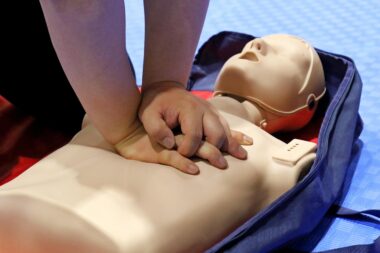
To best care for your dog during emergencies, an emergency preparedness plan is essential. This plan should include vital information such as your veterinarian’s contact details, nearest emergency clinics, and your dog’s medical history. In the case of specific conditions, keeping a list of medications or allergies is vital. Ensure your dog is microchipped or wearing a collar with identification tags for quick identification in emergencies. Stocking a comprehensive first aid kit specifically for dogs will ensure quick access to essential supplies during unforeseen incidents. Items to include are gauze, antiseptic, tweezers, and scissors tailored for pets. Familiarize yourself with how to perform basic first aid procedures, such as bandaging wounds or performing CPR on dogs; resources such as books, online courses, or community classes can be invaluable. Regularly check your first aid supplies to replace expired items. In case of an accident, staying calm is integral, as your dog may look to you for reassurance. Knowing how to respond to accidents limits panic and ensures effective care. Lastly, consider local resources for training sessions on dog first aid for pet owners in your area.
Lastly, the importance of regular check-ups cannot be understated in maintaining your dog’s health and preventing injuries. Routine veterinary visits ensure your dog receives necessary vaccinations and health screenings that can identify potential issues early. Regular check-ups can help you stay on track with preventive care like flea and tick treatments and dental health measures. Work closely with your veterinarian to develop an appropriate wellness plan tailored to your dog’s age, size, and breed. Keeping track of any changes in your dog’s health, such as weight fluctuations or behavioral differences, can help your vet provide better care. Also, implementing a balanced diet that meets your dog’s nutritional needs contributes to their strength and resilience against injuries. Additionally, consider discussing breed-specific risks and conditions with your vet to develop tailored prevention strategies. Engaging in ongoing education regarding canine health and safety is beneficial both for you and your dog. With the right knowledge and tools, you will be equipped to handle the misfortunes that may arise and support your dog’s overall well-being through effective preventive measures.