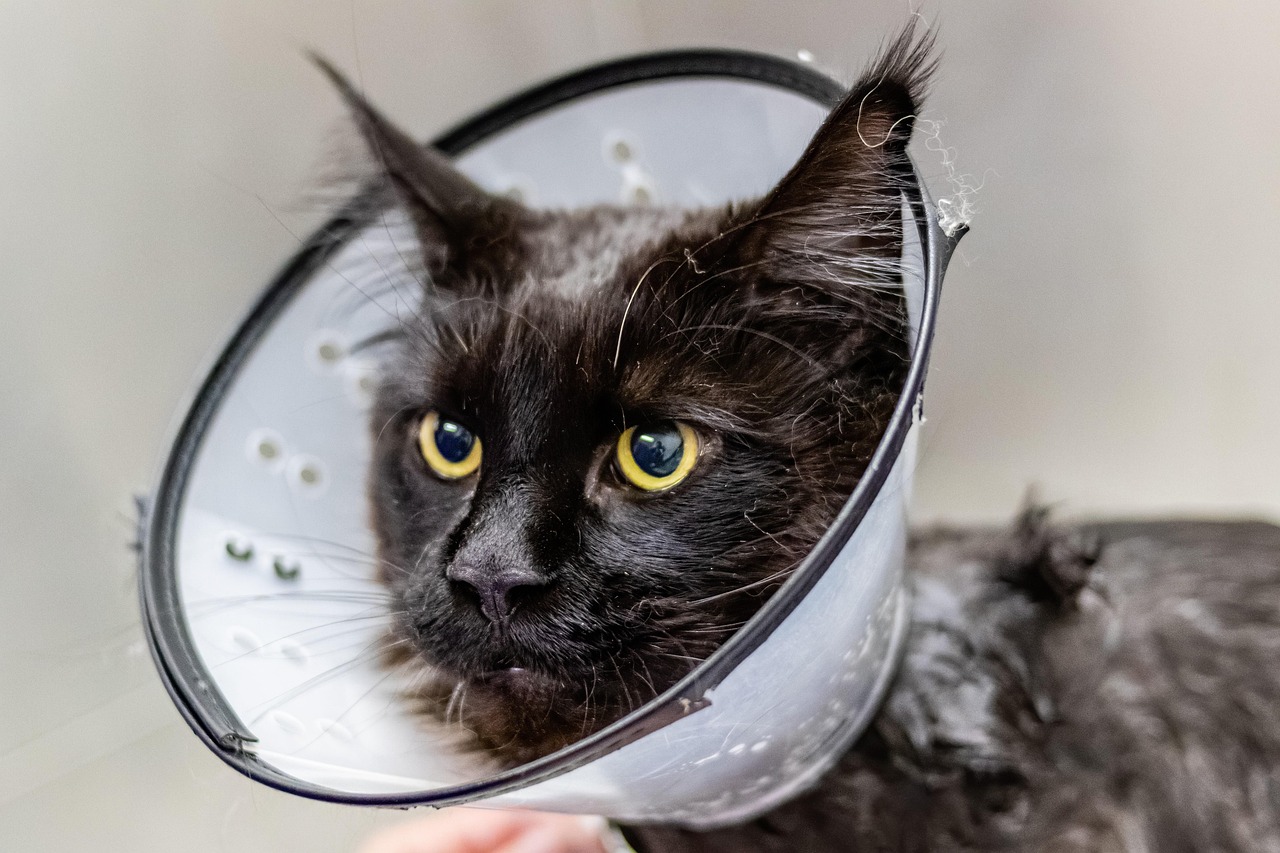

Recognizing and Treating Skin Problems During Grooming
Grooming is an essential aspect of cat care that helps maintain overall health, including skin issues. Understanding breed-specific grooming needs can aid in proper techniques and reduce the risk of skin problems. Persian and Maine Coons, for example, require regular combing due to their long fur. Neglecting this can lead to mats, which trap moisture and can irritate the skin, making infections more likely. Regular grooming allows owners to check for signs of skin issues promptly. Factors such as diet, allergies, and environment contribute to skin health as well. Monitor diet, using quality cat food, ensuring it includes essential fatty acids for skin hydration. Maintain a clean living space to minimize allergens and irritants. Each breed may exhibit unique sensitivities, which require tailored grooming techniques. For instance, Siamese cats may be prone to acne, while Ragdolls need regular ear cleaning due to their long hair. Identifying early signs of skin issues can lead to timely treatment, reducing suffering and ensuring comfort for your furry companion. Follow proper grooming techniques to enhance your cat’s skin health and overall well-being.
When performing grooming routines, central attention should be given to the tools used. Different tools perform varying roles in grooming, affecting skin condition. A quality brush designed for the cat’s coat type can minimize skin irritation. For short-haired cats, a rubber grooming mitt can help remove loose fur while being gentle on the skin. Long-haired cats benefit from wide-toothed combs to prevent pulling and tugging. Additionally, using a fine-toothed comb helps detect fleas or other infestations early. Make sure to keep tools clean to prevent transferring bacteria or allergens, which can worsen skin issues. Regularly inspect your cat during grooming sessions for unusual lumps, redness, or hair loss, which may signify skin problems. Any spotted abnormalities should be investigated further by a veterinarian. While grooming, it’s also vital to pay attention to sensitive areas such as the belly, underarms, and around the face. Some cats may be more prone to skin problems in these areas. If your cat shows signs of discomfort or distress during grooming, consider seeking professional help from groomers with experience in handling a variety of cat breeds.
Another crucial factor in recognizing and treating skin problems during grooming is observation. Owners should establish a routine that incorporates regular checks of their pet’s skin. Techniques like running fingers through the coat can unveil hidden issues. Look for signs of dryness, flakiness, or redness that may indicate dermatological concerns. Identifying parasites like fleas or mites is crucial, as they can lead to severe skin irritation. Regular skin evaluations during grooming can become easier through consistent practices that promote familiarity and trust between the owner and cat. Keeping a grooming diary can be particularly beneficial. Track grooming dates, observations, and any changes noted, allowing you to identify patterns. Address these patterns with your veterinarian to create a proactive care plan tailored to your cat’s needs. In addition, consider maintaining a comfortable grooming environment. A calm setting reduces stress and encourages your cat to relax, giving you better access to sensitive areas. Using soft lighting and soothing sounds, such as gentle music, further enhances the experience of grooming. This level of care helps in identifying skin issues promptly, paving the way for timely intervention and treatment.
Common Skin Problems to Watch For
Various skin problems can arise in cats, especially during grooming. Flea infestations cause considerable irritation, often leading to excessive scratching, which increases the risk of secondary infections. Additionally, allergic reactions can be spurred by certain foods or environmental allergens like pollen, resulting in patches of redness and inflammation. Often, these reactions are accompanied by additional symptoms like hair loss or excessive grooming. Another common issue is seborrhea, a condition leading to greasy skin and scaling, usually exacerbated by grooming improperly. Groomers should be aware of these conditions to treat them appropriately. Documenting skin changes proactively aids in early intervention. Always refer difficult cases to a veterinarian for a thorough assessment, including skin scrapings or allergy testing. Treatments for skin issues vary and may include medicated shampoos, topical treatments, or dietary adjustments. A vet’s expertise in diagnosing the underlying cause is crucial in developing an effective treatment plan during the grooming process. Protecting the cat’s skin means also being informed of preventative measures and proper grooming techniques specific to each breed, maintaining their coat health, and minimizing skin irritation effectively.
Understanding the connection between nutrition and skin health is vital for maintaining a cat’s coat. Sometimes, skin problems are traced back to dietary deficiencies. Essential fatty acids, particularly omega-3 and omega-6, contribute significantly to skin hydration and barrier function. Integrating high-quality cat food with these nutrients boosts immune function and overall skin condition. Always choose diets formulated specifically for cats that have specific dietary goals, like skin health. Moreover, supplements may serve as valuable assets, particularly if your cat deals with chronic skin issues. Products containing fish oil or flaxseed oil can sharply improve skin conditions, soothing irritation much more effectively. Alongside supplementation, drink plenty of fresh water to promote skin hydration literally from the inside out. Regular fresh food adjustments should be examined with the veterinarian, ensuring changes meet the unique needs of each breed. Balanced diets must also contain appropriate protein sources for optimal skin and coat health. Regularly monitor drinking habits and urination to gauge hydration levels accurately. Good nutrition and proper grooming combined provide a holistic approach to skin care in cats, effectively minimizing potential health problems.
Grooming Frequency and Practices
How often grooming occurs significantly influences a cat’s skin health. For short-haired breeds like American Shorthairs, weekly grooming may suffice, while long-haired breeds require grooming several times weekly. The goal is to prevent matting and ensure loose hair does not irritate the skin. Additionally, grooming aids in distributing natural oils throughout the coat, enhancing overall skin vitality. Examining the cat’s coat during each session allows for quick identification of skin problems. Discussing frequency with a veterinarian can tailor grooming practices appropriately for individual breed requirements. Consistency plays a critical role; without routine grooming, skin maladies can escalate quickly. Remember, grooming isn’t merely about aesthetics but forms a critical part of a cat’s health regimen. Moreover, incorporating positive reinforcement can be beneficial during grooming sessions. Using treats or affectionate praise helps create a positive association with grooming, minimizing stress and making the process smooth for both you and your cat. Thus, detailed grooming records regarding frequency and techniques help ensure that your cat’s skin health remains a top priority and aids in identifying specific problematic areas requiring additional attention.
In summary, caring for your cat’s skin during grooming requires knowledge and attention to various factors. Be aware of breed-specific grooming needs, proper tool selection, and the importance of routine observation. Recognizing common skin issues such as allergies and parasites equips owners with information to intervene swiftly. Nutrition plays a vital role too; a balanced diet creates a strong foundation for skin health. Regular grooming sessions not only keep fur clean but also promote bonding. Foster a nurturing atmosphere during grooming by creating a stress-free environment that incorporates comfort and familiarity. Additionally, maintain open communication with your veterinarian to address any observed abnormalities quickly. Collaborating effectively with professionals ensures the best for your cat’s health and well-being. Lastly, acknowledge that grooming is an ongoing journey. Regular assessments of grooming techniques, frequency, and nutrition should be revisited to adapt to changes in the cat’s life stage and health status. Always strive to provide the best care possible by staying informed and proactive regarding your beloved feline’s skin health through informed and effective grooming practices.