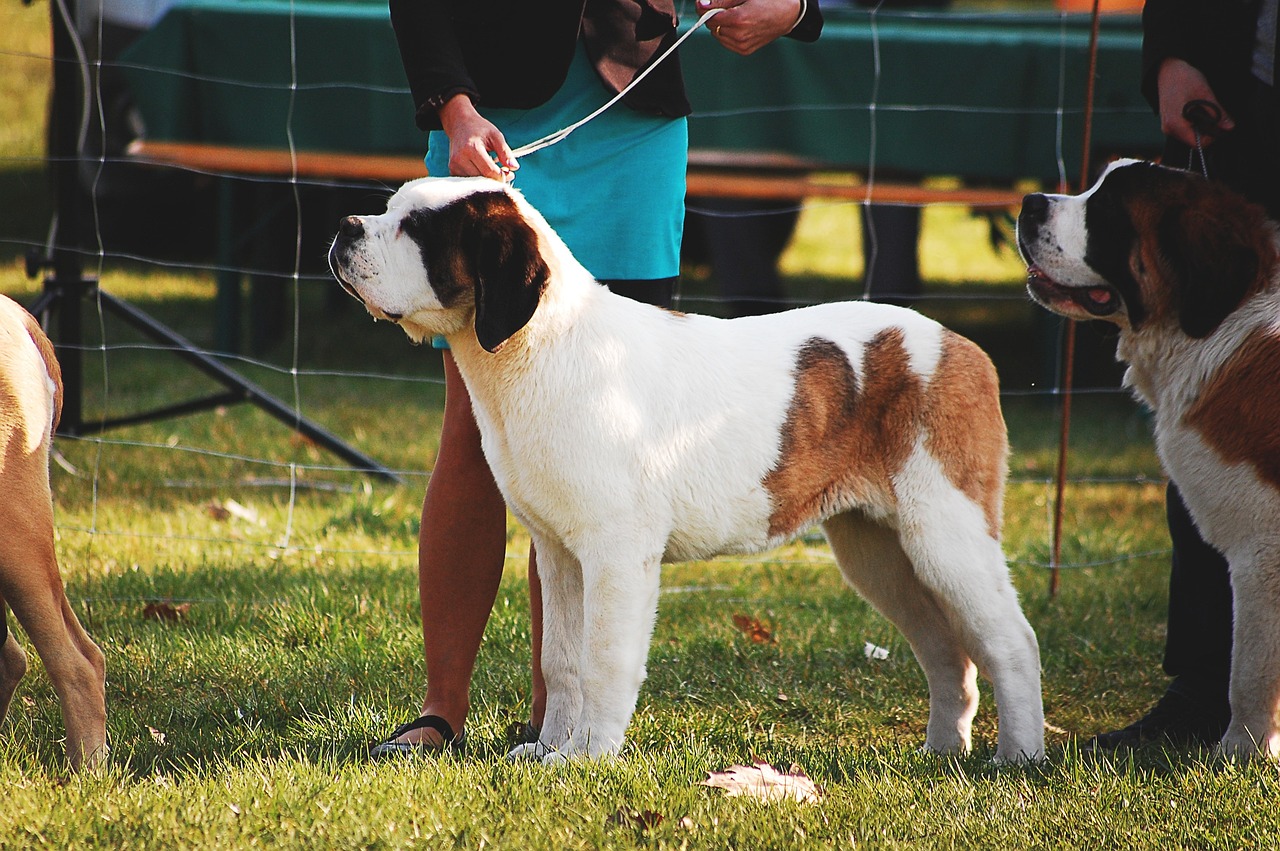

Breeding Rare and Rarely Seen Show Dog Breeds
Breeding show dogs can often focus on the most common breeds, leading to a scarcity of knowledge about rare or rarely seen breeds. Many of these rare breeds have fascinating histories and traits. By spotlighting them, we can ignite interest in diversity within dog show competitions. Breeders face unique challenges when dealing with these breeds, including their rarity affecting genetic diversity and overall health. Some breeds make excellent companions, while others have particular needs or characteristics that require careful consideration. As a responsible breeder, it is essential to conduct extensive research about the breed’s background. Understanding the breed standards, grooming requirements, and potential health issues can make a significant difference in breeding success. Additionally, participating in dog shows with rare breeds can help promote their presence in the community. Connecting with other breeders or dog show enthusiasts who specialize in rare breeds can foster valuable relationships. Ultimately, educating potential owners about these unique breeds enriches the entire dog-breeding community and increases the appreciation for the lesser-known varieties in the world of show dogs.
Understanding breed characteristics plays an important role in show dog breeding strategies. Rare breeds often exhibit a compelling combination of traits distinct from popular breeds. Each breed has particular qualities that contribute to their respective standards for appearance, temperament, and health. Before commencing breeding with rare breeds, it’s crucial to familiarize yourself with their individual needs. For instance, rare breeds like the American Hairless Terrier possess unique characteristics that you must consider for breeding. Participation in dog shows provides an exciting platform to showcase these breeds while educating others about their quirks and strengths. Prominent dog shows often have specific categories for rare breeds, which can lead to increased visibility. In addition to enhancing awareness, these shows are excellent venues for networking with fellow breeders, judges, and enthusiasts. Consider attending seminars or workshops focused on rare breeds to learn from experienced trainers. Furthermore, maintaining a positive relationship with breed registries can assist with challenges during the breeding process. Breed registries can offer a wealth of information on genetics, lineage, and health issues that are critical for responsible breeding practices.
The Importance of Genetic Diversity
Genetic diversity is essential for maintaining healthy dog breeds, and this is particularly true for rare show dog breeds. When a breed is rare, it often suffers from a limited gene pool, which can lead to hereditary health issues over time. Responsible breeders must take precautions to ensure that they are not inadvertently perpetuating genetic disorders. By mitigating the risks associated with breeding within a confined gene pool, breeders can help protect the overall health and vitality of the breed. Establishing a clear understanding of a breed’s lineage is crucial, as it helps identify potential genetic issues within the breeding stock. Utilizing genetic testing before breeding efforts can provide valuable insights into the genetic makeup and health status of prospective parent dogs. Breeders should also be open to outcrossing or introducing unrelated dogs into their line to enhance diversity. This practice, while sometimes controversial, can ultimately lead to stronger, healthier offspring with better adaptability. It also allows for the re-establishment of lost traits in a breed, potentially making them more competitive in shows. Raising awareness about genetic diversity can help more breeders recognize the importance of responsible practices to ensure future generations of show dogs thrive.
Training and socialization are crucial components in preparing rare show breeds for competitions. These often overlooked aspects of breeding need to be prioritized early on. Show dogs must not only look the part but also perform confidently in various situations. Early exposure to training environments helps these dogs develop the temperament needed for the high-energy atmosphere at dog shows. Breeders can consider hiring professional trainers specializing in rare breeds to help navigate unique challenges associated with these dogs. This proactive approach can usher in a more enjoyable experience for both the dog and the handler. While training is essential, socialization shouldn’t be underestimated. Introducing pups to various people, pets, and environments during critical early stages promotes adaptability and reduces anxiety. Regular interactions with show attendees, other dogs, and diverse environments can foster a well-adjusted show dog. Strengthening the bond between breeder, handler, and dog allows the creature to perform at its peak potential. An understanding of each dog’s personality helps tailor specific training methods and experiences. Hosting gatherings of rare breed owners can also encourage community building and facilitate effective training discussions.
Health and Care Considerations
When breeding rare show dogs, health and care must be considered rigorously to ensure their well-being. Each breed can present unique health challenges, often due to their rarity or specific traits that make them prone to certain health issues. Understanding the typical health concerns associated with each breed is essential to maintain the quality of offspring. Researching breed-specific health tests, such as hip dysplasia screenings or eye certifications, can be critical before breeding. Additionally, breeders must ensure that their breeding practices promote overall longevity and quality of life. Consulting veterinarians specializing in canine health can provide breeders with valuable insights into the specific needs of rare breeds. Adhering to proper nutrition can positively affect health and appearance. A balanced diet rich in essential nutrients aids in maintaining the dog’s coat and promoting overall vitality. Proper grooming is equally essential, especially for breeds with specific coat types that require regular maintenance. Understanding feasible solutions for common health issues can allow breeders to make informed decisions that promote healthier genetic lines. Ultimately, well-cared-for show dogs better represent their breeds and thrive in a competitive environment.
The role of breed clubs and associations is indispensable for the promotion and support of rare show dog breeds. Engaging with breed clubs can help breeders understand current trends, standards, and events that cater specifically to their breed. These organizations often provide valuable education, resources, and community connections that can aid breeders at each step of their breeding journey. Participation in breed events or club meetings serves as a fantastic platform for networking and sharing management practices and breeding experiences. Furthermore, these clubs can provide judges and show opportunities specifically tailored to rare breeds, increasing their visibility. Regularly updated breed standards available through associations serve as guidelines for breeders striving to improve their stock. These documents help ensure that breeders are adhering to the desired traits that make each breed unique. Additionally, many associations are dedicated to health initiatives that focus on improving conditions within rare breeds. By collaborating with fellow breeders, members can collectively push for better regulations and standards while generating awareness of lesser-known breeds in the larger dog community.
Conclusion
In conclusion, breeding rare and rarely seen show dog breeds requires a multifaceted approach that prioritizes diversity, health, and training. Enthusiasts who take on this challenge contribute significantly to the breed’s preservation and visibility. The importance of genetic diversity cannot be overstressed, as it is crucial for the long-term health of these unique breeds. Understanding the specific training and socialization needs is likewise vital to ensure these dogs thrive in competitive environments. By maintaining connections within breed clubs and associations, breeders can tap into essential resources that further enhance their breeding practices. Adopting rigorous health testing and care routines is equally important. Support for rare breeds ultimately translates into a broader appreciation for their presence in dog shows. Their unique qualities can captivate audiences while showcasing the diverse beauty of the canine world. Encouraging prospective dog owners to consider rare breeds can enrich not just their lives, but also ensure that these unique breeds continue to find their rightful place. By fostering interest and admiration for rare breeds, we strive to expand dog show culture and ensure these canines flourish for generations to come.
As dog lovers and breeders, it is our responsibility to celebrate and support the unique contributions of rare dog breeds to our community. Together, we can ensure these extraordinary dogs maintain their legacy while captivating audiences and owners alike. Supporting rare breeds means embracing their quirks and assisting others in recognizing their potential. Promoting education about these breeds creates opportunities for breeding them responsibly and ethically. Responsible breeders can foster a supportive community by sharing experiences and providing mentorship for newcomers. Collaboration within the dog community fosters an inclusive environment that values diversity among canine companions. By participating in shows and exhibitions, we can increase awareness and appreciation for these rare breeds. Raising awareness can even help boost rescue efforts for breeds on the brink of extinction. The more people are informed about the joys and challenges of owning rare breeds, the more support they will offer for their preservation. Consider forming alliances with other breeders and enthusiasts to create workshops, seminars, or events that celebrate rarity. Embracing variety in dog breeding ensures a vibrant future for all breeds and the enjoyment they bring into our lives.