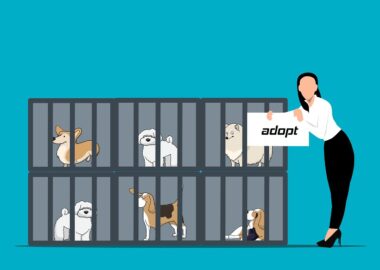

How Dog and Cat Fosters Help Rehabilitate Neglected Animals
Foster families play an essential role in the rehabilitation of neglected animals, particularly dogs and cats, by providing them with safe environments. The impact of fostering extends beyond just offering shelter; it also aids in behavioral improvements. Many animals coming from abusive situations require significant time to adjust to new living conditions. Foster families help create a nurturing atmosphere where these animals can begin to feel secure and loved. This process fosters emotional healing, allowing the animals to regain trust in humans. Furthermore, foster homes offer the chance for animals to learn appropriate behaviors, socialization skills, and routines. Such exposure is crucial for their integration into permanent homes. Foster families often take on the responsibility of introducing animals to various stimuli like sounds and experiences that they may have missed while living on the streets. This training prepares them for a smoother transition once they are adopted. In addition, it allows fosters to identify specific needs, whether they are related to health, behavior, or temperament, thereby ensuring the right match with potential adopters. Each successful rehabilitation story emphasizes the importance of foster care in the rescue process.
The most significant aspect of fostering is providing individualized care. Many animals have unique needs based on their past experiences, and foster families cater their approach accordingly. For example, a dog that has been previously abused might require extra patience and time to cohabit with humans or other pets. Foster families often become advocates for these animals, sharing insights with rescue organizations about their behavior, preferences, and any challenges. Communication is key, as it allows the rescue groups to make informed decisions regarding the adoption process. Moreover, fostering provides an opportunity for fostering families to gain valuable experience related to animal care behavior management. This experience can lead to a deeper understanding of animal welfare while supporting a rewarding cause. The social and emotional growth that animals experience in foster homes is evident as they exhibit more openness and resilience. Many times, they become more playful, active, and well-adjusted, leading to increased chances of successful adoptions. These developments don’t just benefit the animals, but also inspire the foster families and the communities they are a part of, emphasizing the positive ripple effect of fostering on society as a whole.
The Role of Community in Animal Rescue
Community involvement is vital in animal rescue, as it creates a network of support for foster families. Volunteers and local organizations collaborate to help provide resources, educate the public, and promote fostering. Community-driven initiatives may include fundraising events, awareness campaigns, and educational programs focused on responsible pet ownership. Such efforts not only raise funds but also involve community members in fostering efforts. Interest in fostering can be sparked through community outreach, leading to more potential foster families willing to provide temporary homes for vulnerable animals. These initiatives often encourage participation by showcasing the joy and fulfillment of fostering. Stories of successful adoptions and transformations motivate potential fosters, illustrating the difference one can make in an animal’s life. Furthermore, community support enhances the overall experience for foster families, offering connections to others who share similar interests. Sharing experiences, advice, and resources can lead to a sense of camaraderie among fosters. This network is essential, especially when foster families encounter challenges, as they can rely on each other for encouragement and practical tips. Overall, a supportive community amplifies the impact of fostering on animal welfare.
Foster families also contribute significantly to the larger goals of rescue organizations, helping reduce the overall population of stray and abandoned animals. By taking animals into their care, fosters help alleviate overcrowding in shelters, which can lead to a more humane environment for those remaining. This not only provides immediate relief to the animals in care but also creates more space for incoming rescues in need. As a result, the cycle of saving lives escalates, allowing rescues to help more disadvantaged animals. Many rescues operate on limited budgets and rely heavily on the support of foster families to function effectively. By providing temporary homes, foster families enable rescues to allocate resources more effectively, promoting ongoing rescue efforts. These partnerships between foster families and rescues foster an environment of good practice, where the welfare of the animals is prioritized. Additionally, by fostering, families can learn about the different breeds and characteristics that might suit their lifestyle, aiding in their future adoption decisions. Ultimately, fostering is a crucial component of rescuing animals while helping to minimize the crisis faced by homeless pets.
The Emotional Rewards of Fostering
Many foster families mention the emotional rewards of fostering animals, as witnessing their transformations is incredibly fulfilling. Each success story of an animal adapting to a loving home can bring immense joy and satisfaction. Seeing a previously shy or fearful animal flourish, develop trust, and explore their surroundings is a heartwarming experience. Foster families often share stories of their fosters overcoming personal hurdles as they journey towards adoption. These moments of enlightenment are precious, creating bonds between fosters and the animals. The experience also encourages individuals to be more empathetic and understanding—qualities that can extend beyond animal care into broader life perspectives. Foster families contribute to the greater good by helping these animals find homes. Their commitment to fostering also spreads awareness about the issues surrounding animal neglect and homelessness. Several fosters even go on to become long-term advocates for rescue animals, inspiring others to join the cause. This ripple effect is vital in combating animal neglect within communities. The impact of fostering goes far beyond the immediate animal; it fosters a culture of compassion and dedication towards animal welfare and rehabilitation.
The journey of fostering does come with challenges, such as dealing with behavioral issues, medical needs, or the emotional difficulty of saying goodbye when an animal is adopted. However, the support offered through rescue organizations, communities, and fellow fostercare enthusiasts can mitigate these challenges. Regular training sessions or workshops offered by rescue organizations help foster families learn more about animal care, including managing anxiety or behavioral concerns. Building a robust support system is essential for overcoming the hurdles faced while fostering. This includes connecting with fellow fosters who can share successes and challenges, and increase resilience during difficult times. Additionally, fostering families can find comfort and understanding within their social circles and family, as many who have fostered before can relate to their experiences. Sharing emotions and seeking advice culminates in a more fulfilling fostering experience, enriching the lives of both fosters and animals alike. Despite any obstacles, foster families play a crucial role in animal rescue efforts. Ultimately, their contributions significantly shape the lives of the animals they care for, nurturing them towards brighter futures.
The Path Forward in Animal Welfare
As we look toward the future, fostering remains not only necessary but vital in addressing the ongoing challenges of animal welfare. The importance of fostering cannot be understated in this journey. Each successful adoption originating from a foster home emphasizes the potential for rehabilitation and positive change. Increasing the number of fosters can lead to a decline in euthanasia rates, creating a more compassionate society regarding animal treatment. Moreover, creating more educational programs focused on responsible pet ownership is crucial. These initiatives can lower surrender rates while promoting the idea of fostering. Social awareness campaigns can serve to shine a light on the need for fostering, addressing misconceptions about foster care within communities. The more people understand the role of fosters, the more likely they are to get involved. Collaborations with local businesses and celebrities can also help forward the message of fostering. It will amplify the efforts of the rescue organizations while steadily diminishing the stigma surrounding neglected animals. Change comes from community involvement, awareness, and a strong commitment to nurturing and feeding the spirit of compassion in our society.
In conclusion, fostering dogs and cats is a significant aspect of animal rescue that has broad and lasting implications. These efforts create heartfelt stories of recovery, trust, and love between fosters and the animals they care for. The transformation from neglect to rehabilitation is often marked by tenderness and resilience, enriching the lives of all involved. Foster families not only provide temporary homes but also serve as nurturing environments where animals can thrive and blossom. Their contributions help forge connections between rescue organizations and prospective adopters, facilitating more successful adoptions to loving forever homes. Each success story demonstrates the power of compassion and commitment. Community contributions build a stronger network, and increased public awareness can yield more foster families, benefiting many lives. With continued education and advocacy for fostering, the collective effort will undoubtedly advance the cause of animal welfare. Ultimately, everyone—rescue organizations, fosters, communities, and the animals—plays a part in creating a more humane and caring world. Together, we can ensure that more neglected animals find the love they deserve through fostering, paving the way for better futures.