
How to Help Shy or Nervous Cats Cope with Moving
Moving can be a stressful experience, especially for shy or nervous cats. These sensitive creatures often thrive in a stable environment where they feel safe and secured. Hence, any change, particularly moving to a new home, can trigger anxiety and stress. It’s essential to recognize their feelings and take measures to help them adapt. The first step is to create a quiet, safe space in the new location where they can feel secure. Use their favorite blanket, toys, and bedding to make the area inviting. Letting your cat explore at their own pace is crucial; don’t force them into new areas. Instead, allow them to investigate their surroundings gradually, providing positive reinforcement, like treats, to help them associate the new space with safety and comfort. Additionally, maintaining a familiar routine can provide a sense of normalcy amidst change. Consistently feeding, playing, and grooming at the same times can keep their anxiety in check. Taking these small yet significant steps can make the transition to a new home less daunting for your feline friend.
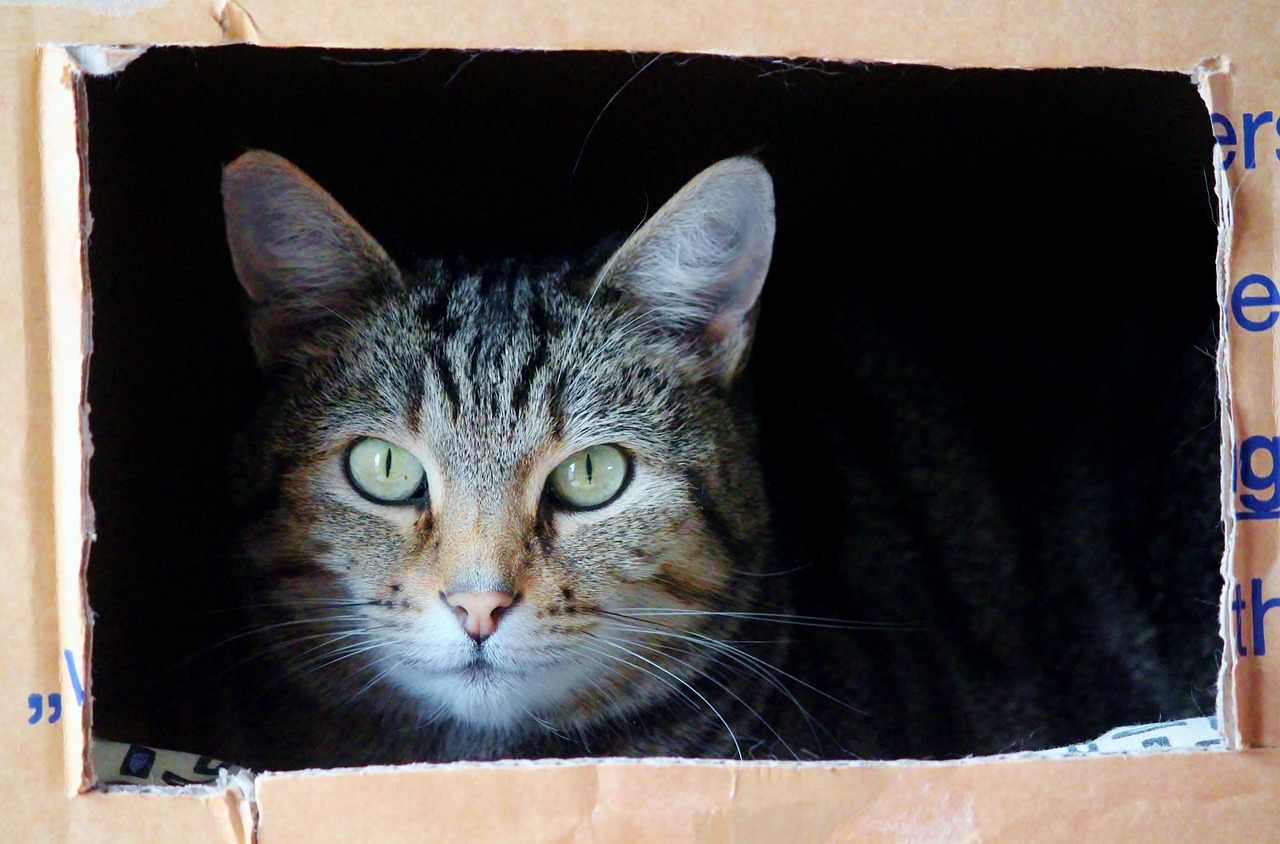
Before the actual move, preparing your cat for the transition is vital. Familiarizing them with the moving supplies, such as boxes or packing materials, can help ease their anxiety. Allow them to investigate the boxes, as this can serve as a source of distraction. Additionally, if possible, try to keep them in a quiet room during the physical moving day. This prevents them from experiencing overwhelming sounds and chaos. It’s also advisable to ensure your cat is comfortable and calm in the car during the move. Use a secure carrier that they are accustomed to, lining it with familiar smells. Bring along their favorite toy or blanket to provide comfort. Frequent breaks during long drives can help minimize stress, while speaking softly to them can soothe their nerves. If your cat is particularly fearful of travel, consider seeking advice from your veterinarian regarding possible calming medications or supplements. It is important to prioritize your available options to ensure a stress-free travel experience. Every small step you take to alleviate their anxieties during this transition can significantly impact their ability to adjust to the new environment.
Settling into the New Home
Once you arrive at your new home, it’s important to introduce your cat to their new environment step by step. Start by confining them to one room with all their necessities, including litter box, food, and water. This will help them feel less overwhelmed by their surroundings. Use this safe space for a few days, allowing them to adjust gradually before exploring other parts of the house. Provide plenty of toys and activities within this room to keep them engaged. You should also spend quality time with your cat, offering gentle strokes and soft words to help build their confidence. Be patient as they become familiar with the home’s scents and sounds. As they start to show curiosity about the rest of the house, give them space to explore. Monitor their reactions closely and ensure that they feel secure. If they are still shy, it’s best to revert to the previous safe space setup for a while compared to forcing them out. Understanding your cat’s needs during this period is crucial to their well-being and comfort in the new environment.
Maintaining a calm atmosphere in your new home can significantly help your cat adjust without fear or anxiety. You might want to incorporate soft background noise, such as calm music, to mask any unsettling sounds from the new environment. Visual barriers can also help reduce anxiety; consider using curtains or providing climbing spaces that give them access to high perches. High spots can provide a secure feeling and allow them to observe safely. Along with visual distractions, keeping their environment itself cat-proof, especially with cords and breakable items, will provide further comfort. Introducing new toys can act as a welcome distraction, making the new space feel familiar and stimulating. To this end, offer toys that they can engage with alone as well as interactive ones to play with you. Rotate different toys every few days to keep their interest piqued. Lastly, be attentive and monitor any signs of stress, such as hiding or loss of appetite. By staying observant, you can proactively address their emotional needs and maintain their comfort during the transition period, which significantly aids their settling-in process.
Provide Extra Comfort and Routine
During the first few weeks in your new home, providing extra comfort to your cat is essential. Although they may be shy or nervous, giving them a few cozy hiding spots can foster a sense of security. Consider setting up a cozy bed or cat cave near their food and litter, where they can retreat when needed. Remember that regularity is vital during this time; try to maintain their usual feeding and playing schedule to facilitate comfort. Routine creates a sense of normalcy, which can ease their anxiety. Engaging them in regular play sessions not only helps distract from stress but also strengthens the bond between you and your feline friend. Additionally, spending quiet time together can soothe nerves; reading or quietly chatting in their space can provide comfort without too much disruption. Don’t hesitate to use cat pheromone diffusers or calming sprays. These might help create a peaceful environment that helps reduce anxiety further. Patience and understanding will go a long way in helping your shy cat feel more relaxed and like they belong in the new home, building a foundation of trust for long-term comfort.
It’s essential to ensure that your new environment remains consistent with the previous one. Cats are creatures of habit, and changing everything at once can be overwhelming. Thus, keeping their previous routines intact as much as possible encourages a relaxed demeanor. Introduce changes slowly, whether it’s new furniture or unfamiliar scents, allowing them to adjust gradually. Also, pay close attention to their behavior during this period. Be observant of any signs of stress or discomfort. If your cat starts hiding excessively or exhibiting signs of aggression, it may indicate they are feeling overwhelmed. This is an essential time to reassure them that everything is okay. Offering treats, soft words, and gentle strokes can help calm them down. If issues persist, consider reaching out to your veterinarian or a pet behaviorist for guidance. They may recommend strategies or solutions tailored to your cat’s individual needs. The goal is to create an environment where your cat feels sluggish but safe, consequently allowing them to adapt at their own pace while ensuring a happy, healthy transition to the new home.
Conclusion
In summary, helping a shy or nervous cat cope with moving is a process that requires patience, understanding, and consistent adjustments. Recognize that the transition may take time, and it’s essential to observe your cat’s behavior carefully throughout. Creating a safe and comforting environment, establishing routines, and allowing gradual exploration will pave the way for a smoother adjustment. Providing distraction through toys and engaging in gentle interaction can significantly improve their comfort. Remember not to rush the process but rather let your cat dictate the pace at which they become accustomed to their new home. Whenever possible, seek advice from professionals like veterinarians or animal behaviorists if challenges arise. As a pet parent, your love and support can make all the difference in helping your shy cat feel secure, cherished, and at ease. Ultimately, this is not only about relocating but also about nurturing a lasting bond that will grow stronger as your feline friend adjusts to their new environment, ensuring a happy life together in your new home.