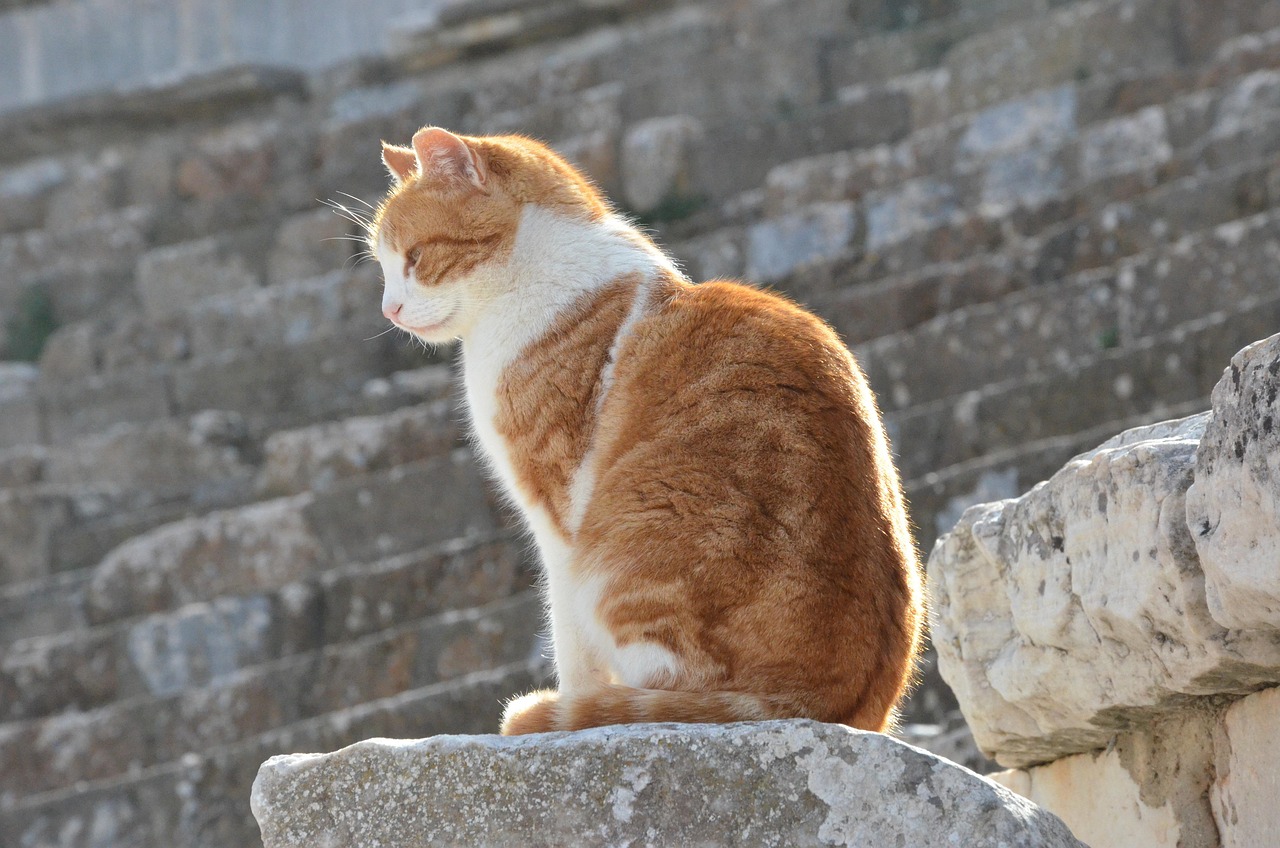

Key Milestones in the History of Cat Shows
The origins of cat shows can be traced back to the late 19th century, particularly around the 1870s and 1880s. The first officially documented cat show took place in 1871 at the Crystal Palace in London, England. This event was organized by Harrison Weir, a well-known cat fancier and artist. At this show, over 170 cats were exhibited, showcasing various breeds and colors, drawing immense public interest. Breeds such as Persians and Abyssinians were among the stars of the show, captivating audiences. As word spread about this unique event, it started to generate fascination and popularity. Consequently, the event encouraged other countries to hold similar shows, leading to a global expansion of cat fancy culture. Notably, 1887 witnessed the establishment of the National Cat Club in the UK, which supported the cat show movement. This organization played a crucial role in setting the standards for breeds and cat care. It also organized prestigious competitions, further solidifying the importance of cat shows in society and the world of animal husbandry. The early years truly laid a foundation for what cat shows would become today.
As competition grew in the time following the first cat show, various countries developed their unique practices and methodologies for organizing exhibitions. In the United States, the first cat show occurred in 1895 at Madison Square Garden, featuring a vast array of breeds. This marked a significant turning point for cat fanciers in America, igniting a passion that spread across many states. The American Cat Association (ACA) was founded shortly after in 1906, establishing official breed standards and providing support for enthusiastic breeders and pet owners. The ACA was instrumental in promoting the cat show concept, which soon became a popular pastime for many families. Meanwhile, in Europe, the Cat Fanciers’ Association (CFA) was formed in 1906 as well, enabling expanded recognition for diverse breeds. Cat shows took on a vibrant social aspect, where enthusiasts could exchange information, ideas, and breeding techniques, therefore fostering community ties. By the 1930s, cats were being shown at fairs and open exhibitions, further popularizing the hobby and expanding its reach. The 20th century truly marked the blossoming of cat shows as an integral part of pet culture.
In the decades that followed, cat shows continued evolving, adopting new technologies and methodologies to enhance their experiences. The introduction of electronic scoring systems in the 1970s revolutionized judging at cat shows, allowing for more accurate assessments and smoother competitions. Judges began using standardized scorecards, ensuring a fair evaluation process across different regions and events. This shift helped streamline the overall experience for participants and spectators alike. In addition, the late 20th century saw the rise of specialty clubs and organizations focused on specific breeds, which helped to increase awareness and appreciation for cats. Events became highly anticipated nationwide and even internationally, leading to the emergence of major cat competitions like the CFA World Championship. Shows expanded their categories to include unique features such as Best in Show and Best Household Pet, further increasing engagement. The prominence of cats in pop culture also flourished during this period, with movies and social media showcases contributing to their popularity. Overall, the advancements of the late 1900s set a new standard for the experience of cat shows as a thriving community undertaking.
In the 21st century, the landscape of cat shows continued to change, adapting to modern trends and societal shifts in attitudes towards pets. Organizations began prioritizing animal welfare more significantly. This included implementing stricter guidelines concerning breeding practices and the treatment of show animals. The rise of ethical breeding practices led to greater awareness among enthusiasts, who increasingly sought to adopt rather than purchase animals for showing. Additionally, technology played an imposing role in the evolution of cat shows, as online platforms allowed for widespread influence and recruitment of new participants. Social media presence surged, giving rise to influential cat personalities, which subsequently attracted newer generations to the hobby. Events became not only competitions but also festivals celebrating the breed’s heritage and allowing owners to share their love of felines. The inclusion of diverse categories such as mixed-breed exhibitions also emerged, as recognition for household pets gained traction. Therefore, cat shows developed a more inclusive approach during the 2000s, enhancing community bonds among cat lovers while continuing to promote responsible ownership. The future of cat shows appeared bright, sustaining enthusiasm across multiple generations.
Global Influence of Cat Shows
Throughout the years, cat shows have adopted different cultural practices, contributing to their unique global presence. Countries worldwide now host their own events, reflecting their local heritage and love for felines. For instance, Japan’s cat shows often highlight the beauty of traditional breeds such as the Japanese Bobtail. Each culture celebrates its cat varieties, showcasing distinctive traits that characterize the global fascination with these pets. In Europe, particularly the UK, the Maine Coon and British Shorthair remain popular entries. Cat shows encourage deeper appreciation of various breeds and their histories, connecting people not only to the cats but also to one another through shared passions. Moreover, international competitions emerged, allowing national representatives to compete and share knowledge with fellow enthusiasts. Organizations such as the International Cat Association (TICA) foster worldwide connections among cat lovers and encourage ethical practices. As a result, the international community dedicates efforts to promote responsible breeding and animal welfare awareness. While diverse, these shows unite individuals globally and celebrate the bond that domesticated cats create with humans, leading to the existence of a global cat community.
Today, the significance of cat shows transcends mere competitions, evolving into valuable platforms for education and awareness. Many events include workshops, seminars, and presentations focusing on responsible pet ownership and breed-specific needs. Educational endeavors encourage participants and spectators alike to understand feline behavior, nutrition, and health requirements, creating a more informed community. Informational resources are often crucial for new cat owners, guiding them in choosing the right breed, the importance of vaccinations, and regular veterinary check-ups. On the show floor, vendors also provide various products, services, and advice to cat fanciers, making exhibitions well-rounded events. The emphasis on education serves to benefit both cats and owners alike, minimizing health-related issues and promoting dedicated care. By emphasizing these constructive messages, cat shows have become catalysts for positive change in the realm of pet care. They create opportunities to connect owners with experienced breeders and veterinarians, ultimately leading to happier and healthier feline companions. In conclusion, cat shows in contemporary society represent a blend of competition, community, and education that holds vital significance in nurturing the bonds between cats and their owners.
As we move toward the future, cat shows are likely to continue adapting and transforming in response to societal needs and contemporary trends. The rise of sustainability and eco-friendly practices has gained traction, increasingly influencing how cat shows are executed. Events may incorporate more environmentally conscious approaches, such as using biodegradable materials or minimizing waste. Furthermore, as online formats continue to expand their presence, showcasing cats may also adopt hybrid formats that combine in-person participation with virtual attendance. This could foster an even more expansive community, connecting cat lovers regardless of geographical limitations. The continued emphasis on animal welfare could see more shows encouraging holistic care approaches that advocate for mental and emotional well-being alongside physical health. Moreover, as technology continues to advance, innovations in judging practices and record-keeping methods are likely to emerge in the upcoming years. The future of cat shows promises to be a conduit for ongoing education, community building, and celebration of the incredible bond between humans and felines. Ultimately, cat shows will remain a testament to human devotion to these beloved companions, enriching lives for years to come.
In summary, the historical journey of cat shows outlines their growth from small local exhibitions to globally recognized events celebrating felines. From Harrison Weir’s 1871 show to present-day competitions, numerous milestones mark the evolution of these delightful activities. Each era added layers of significance, encompassing standards, ethical treatment, and fostering connections among enthusiasts. Today, cat shows represent a vibrant community dedicated to education and responsible ownership, while diversifying experiences to accommodate the changing dynamics of pet care. Their future holds exciting possibilities as they intertwine with modern trends, ensuring their role remains crucial in the pet world.