
Seasonal Care Tips for Cymric Cats
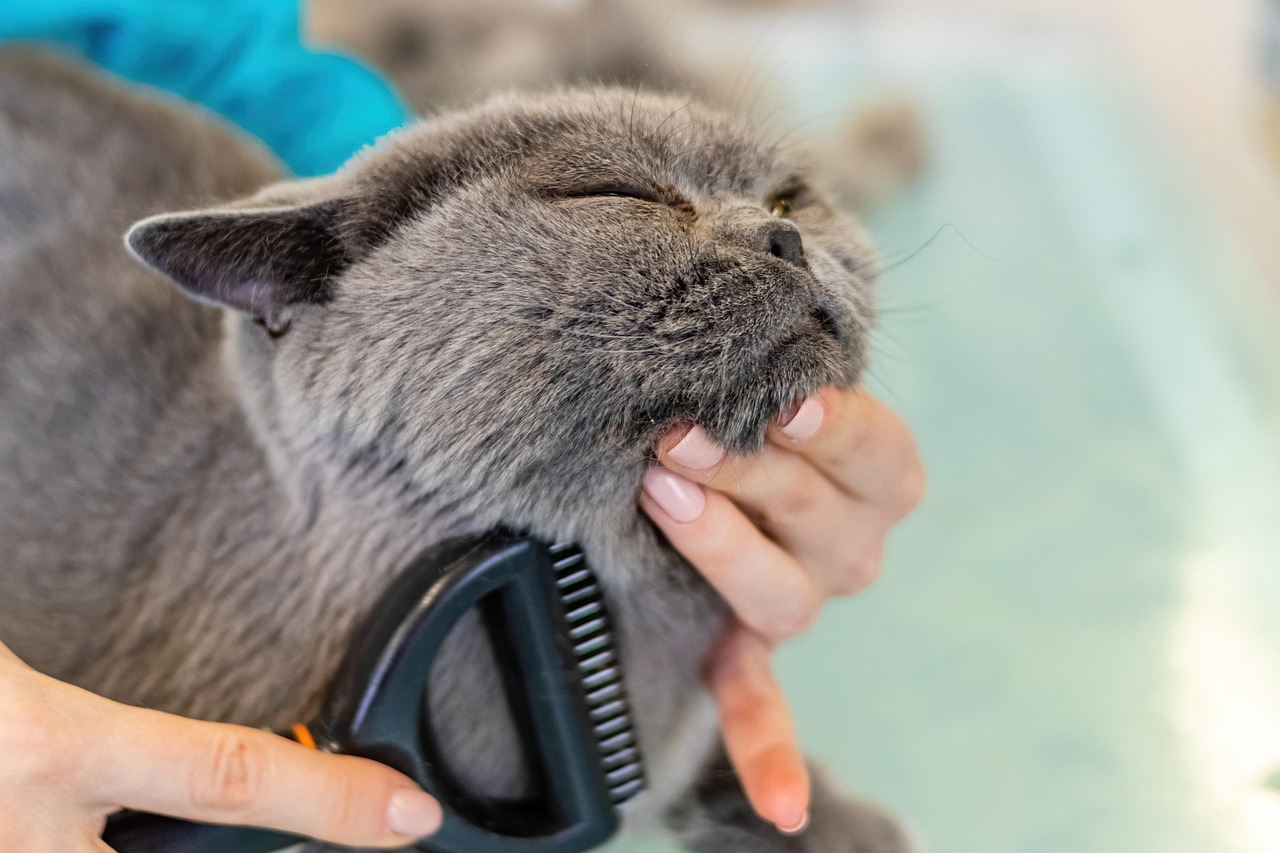
The Cymric cat, known for its robust build and medium to long fur, requires specific care during different seasons. In spring, it is essential to groom regularly. This will help with shedding as your Cymric transitions from winter to summer coats. It is recommended to use a wide-toothed comb to remove loose fur easily. Additionally, you should consider the indoor environment during warmer months. Ensure there are shaded areas where your cat can cool off. A fan or air conditioning may also help keep the temperature comfortable. Remember, hydration is vital; always supply fresh water. In summer, be cautious of overheating, and avoid direct sunlight exposure. Regularly check your Cymric for signs of overheating, such as excessive panting or lethargy. Provide plenty of toys to keep them active during indoor play. Keep your home well-ventilated and provide a cool retreat. You might also want to change their diet to include lighter fare that’s easier to digest. Nutrition plays a critical role in maintaining a healthy weight, particularly as activity levels change. The right balance can help your Cymric thrive year-round. Each season brings unique challenges, so it’s essential to stay observant.
In addition to grooming and environmental care, regular veterinary check-ups are crucial for your Cymric, especially during seasonal changes. Spring and summer can bring about allergies and parasites which may affect their health. Flea and tick treatments are vital to protect your cat from these pests. Work with your vet to choose the right products for your area. Consider boosting their immune system with a proper diet and regular exercise. Adjust your Cymric’s healthcare regimen according to their specific needs and consult with your veterinarian if you notice any significant changes in their health. Watch for signs of allergies or discomfort, like scratching or excessive grooming. Indoor plants can also be a concern. Ensure any plants in your home are safe for cats, as some can be toxic. Remember to always update your Cymric’s vaccinations as recommended. As the temperature drops in autumn, keep your indoor environment cozy. Adding indoor activities can be beneficial for your Cymric. Providing scratching posts and interactive toys will help stimulate their minds. Autumn can also be a prime time for respiratory illnesses; thus, keeping your home clean is essential. Regular vacuuming and reducing dust will help ensure a healthy, safe space for your furry friend.
Winter Health and Safety Tips for Cymric Cats
As winter approaches, extra precautions should be taken to keep your Cymric safe and healthy during colder months. First, consider indoor environmental conditions. Cats can be sensitive to the dry air that heating systems create. Investing in a humidifier can help maintain moisture levels, making your home more comfortable for your furry friend. Additionally, ensure your cat always has a warm, cozy place to sleep. Bed linens and blankets can provide essential warmth. Pay attention to your home’s temperature during colder nights. Some cats may need extra blankets or pet-safe heating pads. As temperatures decrease, monitor your Cymric’s food intake, as they may need more calories to maintain body heat. Consult with your vet for any dietary adjustments. You might opt for more protein-rich foods during winter. Be mindful of outdoor exposure; limit outdoor time during extreme cold. Ice and snow can damage tender paws, so talk with your vet about paw protection methods. Seasonal care is not just for indoors; therefore, be prepared to combat winter-related health issues. Preventative measures, such as keeping your cat indoors during harsh weather, can greatly enhance their well-being.
Winter activities can still be fun for your Cymric cat while ensuring their safety. Engage them with play sessions indoors that mimic their natural hunting instincts. Using teaser toys and puzzle feeders can be ideal ways to keep your cat mentally stimulated. You can also create interactive games that require them to move around, keeping them agile during the cold months. Monitor their weight throughout the winter to avoid unwanted pounds from inactivity. Adjust playtime based on their energy levels and engagement. Also, consider providing scratching posts and climbing trees to encourage movement around your home. It’s essential to engage your Cymric without needing outdoor exploration. Remember, the winter chill isn’t just uncomfortable; it can be hazardous. Cat-proof your home against winter hazards, such as frozen pipes and space heaters. Ensure your cat does not have access to areas where they might accidentally harm themselves. Always be mindful when heating the house; some heating sources may present a fire hazard. Keeping your cat entertained indoors is crucial for their mental health during winter. They might enjoy watching the snow from a warm window. The entertainment during winter can help maintain emotional well-being.
Spring Preparations and Outdoor Exploration
As spring arrives, your Cymric will benefit from a renewal in routine, which can include outdoor explorations. However, ensure the environment is safe before letting them roam. Check for any potentially harmful plants or substances in your yard. Investigate areas where pesticides or herbicides may have been used recently, as these can be harmful to your cat’s health. When your Cymric spends time outside, ensure they are monitored at all times. Create a safe, enclosed area where they can play without the risk of wandering off or getting into trouble. While spring flowers may bloom enticingly, many are toxic to cats. Familiarize yourself with safe options to avoid potential poisonings. After months indoors, being outside can be invigorating, so consider slowly acclimatizing your cat to different outdoor experiences. If they have enjoyed outdoor adventures safely, introduce fresh air and nature gradually. After outdoor play, perform a thorough inspection of their fur. This is significant during shedding season as they might accumulate debris, twigs, and even insects. Keeping them clean contributes to overall health and comfort.
Furthermore, spring weather often finds its way into unpredictability, so dress accordingly when taking your Cymric outside. Monitor the temperature and provide ample hydration to your kitty, especially if they follow you outdoors. Ensure your cat has access to fresh water to prevent dehydration. Allergies may also become prominent in springtime, and if you notice your Cymric constantly scratching, it may be due to pollen exposure. Consult your veterinarian regarding allergy care; they can recommend suitable treatments. Additionally, keeping your home clean can lessen potential allergy triggers, so regular vacuuming is essential. For your Cymric, you might also think about decluttering their space, creating untainted play areas. As you transition into the warmer months, consider adjusting their grooming routine. Increased shedding signifies the need for more frequent grooming sessions to keep their fur healthy and tangle-free. With regular brushing, your Cymric will feel comfortable and radiant. Overall, remain engaged with your cat’s needs and conditions; springtime can be rejuvenating. Opportunities for enrichment are everywhere, so explore them together.
Summer Safety: Keeping Your Cymric Cool
When summer arrives, the focus shifts to keeping your Cymric comfortable during sweltering heat. Begin by ensuring that your home stays cool; constant access to cool, fresh water is crucial. Like humans, cats can become dehydrated quickly, especially if they play outside. Offer ice cubes in their water bowl for a refreshing summer drink. Keep track of the indoor temperature; excessive heat can be dangerous. Consider using fans or air conditioning to maintain a pleasant environment. Indoor play is vital as temperatures rise. Engage with various activities like laser pointers or feather wands to keep your Cymric active without overheating. However, observe them for signs of heat exhaustion, such as panting or lethargy. Direct sunlight can be harsh, so provide cozy shaded areas where they prefer to relax. Additionally, when venturing outdoors, limit their playtime to cooler parts of the day, usually early morning or late evening. Before letting your cat outside, check the pavement and grounds for heat; burning pavements can harm their paws. Always be proactive in protecting your Cymric from uncomfortably high temperatures, ensuring they remain safe while having fun. Choose wisely when engaging outdoor play.
Lastly, consider trimming your Cymric’s fur if they tend to overheat quickly. A professional groomer can provide a suitable summer haircut that keeps them comfortable without compromising their unique look. Also, ensure that your living space remains free from hazards, especially if you plant flowers or herbs around your home. Some plants can be toxic to cats, so always research pet-friendly options. Be aware of common summertime poisonous plants such as lilies and hydrangeas. Furthermore, summer introduces a higher risk of parasites, such as fleas and ticks. Speak with your veterinarian about preventive treatments to keep these pests at bay. Overall, keep the summer enjoyable for your Cymric by finding balance between playful interactions and necessary precautions. A culture of safety alongside fun enhances their well-being through the hot months. With attention to their health and engagement in activities, your Cymric can thrive in the summer season while remaining active. Plus, regular check-ups ensure they head into the fall healthy and strong. Aim to nurture and love your cat so that they enjoy the beauty each season brings.