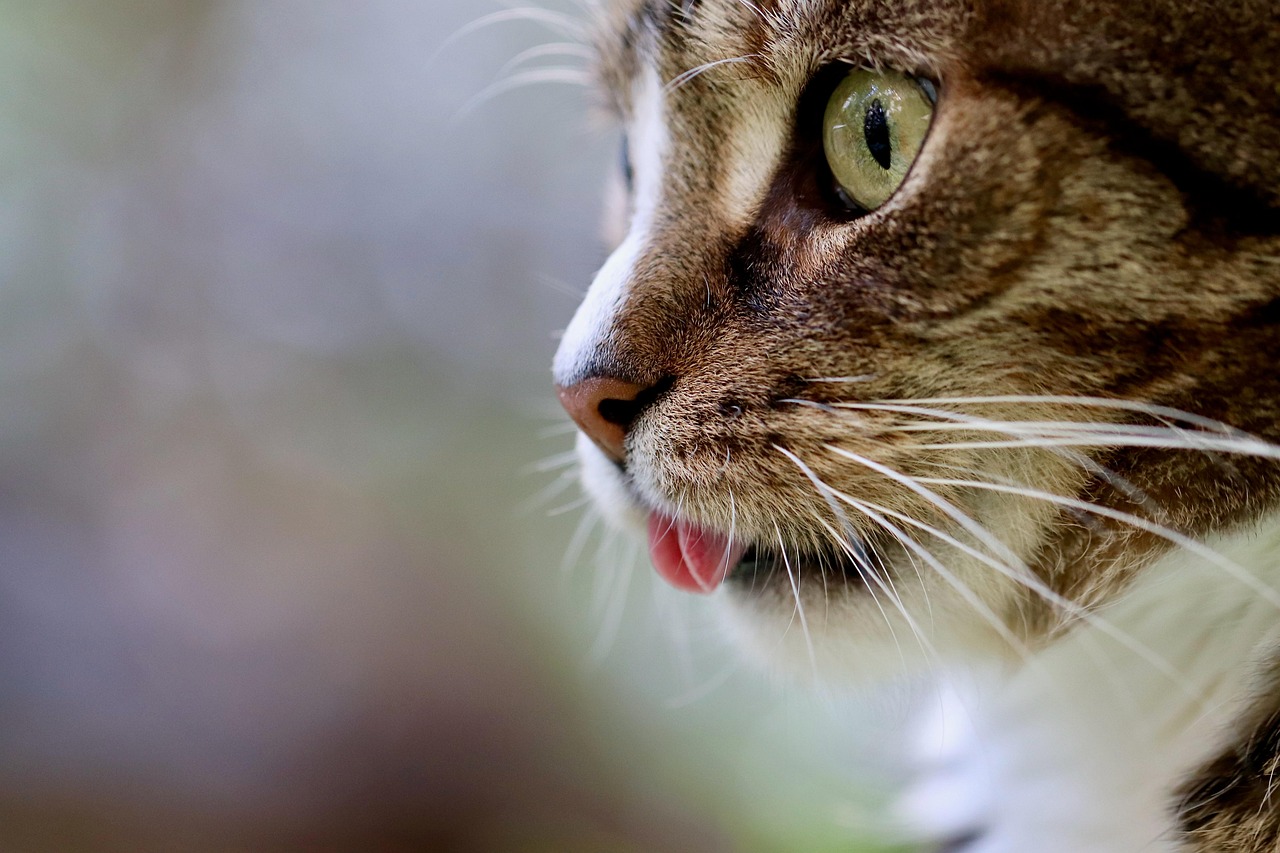

Training Your Cat to Handle New Environments Calmly
Cats are creatures of habit and are often most comfortable in their familiar surroundings. When introducing them to new environments, such as a new home, it’s essential to proceed with caution and patience. Start by allowing your cat to explore one room at a time. Set up a safe space equipped with their favorite toys, bed, and litter box. This familiar area serves as a retreat where they can feel secure amid fresh surroundings. Gradually lead them into different areas while closely observing their reactions. Understanding their body language is crucial as it helps you discern whether they feel secure or anxious. If they exhibit fearful behavior, such as hiding or excessive meowing, allow them more time to explore at their own pace. Positive reinforcement is also effective, using treats or gentle praise for calm behavior. By reinforcing comfort and confidence, your cat will gradually adapt to their new environment. Ensuring their journey into the new space is a positive experience will minimize fear, leading to a smoother transition process overall. A little patience can reduce anxiety and make the adjustment much easier for your feline companion.
As a cat owner, understanding the impact of fear is vital in training your cat. Cats react to unfamiliar stimuli, which is a natural instinct. To help minimize fear, you can control the volume and activity level in the environment. Keeping the environment quiet and calm will encourage your cat to feel more secure. Additionally, consider the use of pheromone diffusers, which mimic the scents that cats naturally respond to for comfort. These products can help create a calming atmosphere as your pets adjust. Integrating regular routines can also foster security, as cats thrive on predictability. Establish consistent feeding times, play sessions, and periods for relaxation. It’s essential to avoid overwhelming your cat with too much stimulation or a too rapid introduction to new spaces. Show them that new experiences can be positive. Using treats, toys, and gentle encouragement helps them associate unfamiliar situations with enjoyable outcomes. Create a balance between exploration and comfort, allowing them to retreat to safe spaces when they feel overwhelmed. Understanding their limits and respecting their boundaries fosters trust, making it essential for a successful adaptation process for your cat.
Understanding Your Cat’s Body Language
Recognizing your cat’s body language during stressful situations is vital in training them effectively. Cats communicate through their posture, tail movements, and facial expressions. For instance, an erect tail often signifies a confident and happy cat, while a puffed tail may indicate fear or aggression. Pay attention to their ears: flattened ears usually signal anxiety or discomfort, while perked ears show curiosity. Moreover, watch for dilated pupils, which can indicate excitement or fear depending on the context. If your cat starts to hide, it’s a clear sign of stress, alerting you to provide comfort and reassurance. Assure your cat knows it can retreat to its safe zone whenever it feels threatened. Offering spaces where they can observe without direct engagement also helps them adapt. Using interactive toys during this transition can lessen their stress levels and encourage positive interactions with their environment. Always remember that patience is crucial; every cat is unique, and their comfort levels will vary. Taking the time to observe your cat will enable you to understand their feelings better, which is a significant component of reducing their fearful behavior in new situations.
Engaging your cat through interactive play is a fantastic method to help them cope with new environments. Incorporating routine playtime allows your cat to channel its energy while providing mental stimulation. Use a variety of toys, such as feather wands or battery-operated mice, to entice their natural hunting instincts. During explorations, making playtime relaxing yet stimulating can significantly diminish their anxiety. Schedule regular play sessions in the new area, introducing different textures and sounds to promote acclimatization. As they play, they will start associating the new environment with positive experiences and excitement. Additionally, having another trusted pet can provide a sense of security and serve as a role model for your anxious cat. Together, they will explore and bond through mutual curiosity. This encourages your cat to feel comfortable and reduces the likelihood of fearful reactions. Ensure your playtime is balanced with periods of rest and comfort as well. Monitoring their responses to various stimuli will inform you of their comfort levels. Overall, nurturing their playful instincts can enhance their adaptability in new situations and ease their fears over time.
Creating a Safe Haven
Creating the perfect safe haven for your cat is essential when transitioning into new surroundings. Select a quiet area in your home equipped with essential cat items such as water, litter box, and favorite toys. It’s crucial to create an environment where your cat can retreat whenever feeling overwhelmed. Adding familiar scents, such as their bedding or toys, can significantly enhance their comfort. Window perches can also engage their curiosity as they watch the outside world safely. Over time, leave the door open to encourage exploration while reminding them of their sanctuary. Avoid forcing your cat to interact with unfamiliar environments, as this can exacerbate fearful behavior. Instead, allow your cat to venture out when it feels comfortable. Periodically, check in on them to establish a sense of safety and security. Consider a gradual introduction to other pets in the household, starting with scent swaps before face-to-face meetings. These gradual processes will help mitigate any potential anxiety triggers. A well-crafted haven proves to be a safe space that encourages exploration and relaxation, fostering a positive experience as your cat adjusts to its new environment.
Training your cat to handle new environments calmly also involves patience and positive reinforcement techniques. For example, rewarding your cat with treats when it behaves calmly in a new setting reinforces that such behavior is encouraged. This process strengthens the bond between you and your cat, enabling your pet to feel more secure when faced with unfamiliarity. Incorporate short training sessions, focusing on simple commands and tricks that promote confidence. Techniques such as clicker training can accompany reward-based learning, making it more effective. Frequent and short interactions with multiple environments can progressively help desensitize your cat to new surroundings. Gradually increase their exposure to differing spaces while monitoring their comfort levels. This emulates a gradual acclimatization process, significantly reducing overall anxiety. Employ patience as you guide your cat through this journey, respecting their pace to build trust. It’s essential not to overwhelm them, so take breaks when needed. Above all, remember that your support is pivotal in guiding them through these transitions. You can equip them with the skills necessary to face their new world calmly and confidently with time and positive reinforcement.
Consistent Reassurance
Providing consistent reassurance during transitions helps reinforce your cat’s security and confidence. Speak gently and calmly to your pet, understanding that your demeanor affects how they perceive their environment. Regularly interacting with your cat through petting or soft praise fosters trust, helping to bridge new experiences with comfort. Establishing safe routines will make your cat more relaxed, ultimately leading to a smoother adjustment process. Be attentive to their vocalizations and body language to assess where additional support may be needed. Incorporating relaxation techniques like gentle massages, or soft music can create a soothing atmosphere. You may want to consider engaging in quiet activities together, such as reading aloud, which can help acclimate your cat to your presence in their new environment. Help your cat find predictable patterns in their daily life: consistent feeding, play, and rest times can help provide additional comforts. Over time, this will solidify their sense of security, paving the way for progressively more challenging interactions. Always encourage calmness in unfamiliar settings, allowing your cat to acclimate through your unwavering support and patience, thus establishing a positive association with any new environment they encounter.
In conclusion, training your cat to handle new environments calmly is an achievable goal that requires time and understanding. Each cat is unique; therefore, tailored approaches yield the best results. Recognizing signs of fear, creating safe spaces, and consistently employing positive reinforcement strategies are you’ll develop a significant bond. Remember to prioritize calmness and engage them with playful interactions, gradually building their confidence and comfort levels. Your support plays a vital role in ensuring they feel secure while exploring new ventures. Regular practice and patience will facilitate adaptation, emphasizing the importance of routine and familiarity. By nurturing these aspects, you’ll create an increasingly confident cat well-equipped to face new experiences. Always celebrate small victories, acknowledging their progress as they adapt to change. Gradually exposing them to new situations while providing support is essential. As they feel secure, their fear will diminish, allowing their natural curiosity to flourish. With consistent efforts, your cat can thrive in various environments, leading to a happier, more relaxed feline companion. Training may take time; however, the payoff of a well-adjusted, confident pet is truly worth every effort you invest.