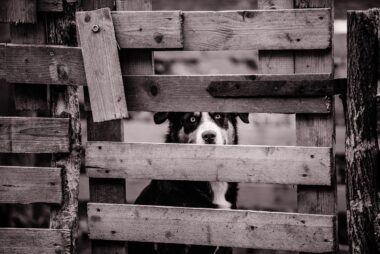

Training Your Dog with Escape-Proof Gates: Step-by-Step Guide
Training your dog can be a fulfilling journey, especially when utilizing escape-proof gates. These gates provide a safe environment for your dog while ensuring they stay contained during training sessions. Choosing the right gate is crucial; look for sturdy materials that can withstand a dog’s attempts to escape. When introducing the gate, start by allowing your dog to explore it without pressure. Use treats to create a positive association. Ensure your dog understands that they can’t pass the gate while you’re present. Try using commands to reinforce this teaching. Consistency is essential during this training process. Remember, patience will yield better results. As you move forward, establish a feeding routine near the gate to create an inviting atmosphere. Gradually increase the time your dog spends near it. Over time, your dog will understand the gate’s purpose. Regularly reward your dog for good behavior and reinforce their trust in you. Also, avoid punishment, as this could deter progress. Instead, focus on fostering a positive learning environment. This way, the gate becomes another tool in your training arsenal, not an obstacle for them.
Understanding Dog Behavior
To effectively use escape-proof gates during training, you need to understand your dog’s behavior. Dogs often test boundaries, seeking freedom or exhibiting curiosity. By observing their reactions, you can tailor your training approach. Note their body language; tail position, ears, and posture indicate their comfort or discomfort. It’s also beneficial to recognize what triggers your dog’s urge to escape. Is it a stray animal, loud noises, or boredom? Identifying these triggers allows you to address and minimize them during training sessions. Utilize positive reinforcement techniques here, rewarding your dog when they remain calm in the presence of distractions. Consider using commands such as “stay” or “come.” Consistent practice with these commands will help reinforce the boundaries set by the gate. Also, slowly introduce your dog to various scenarios while keeping them behind the gate, allowing them to adjust comfortably. Make sure to keep sessions short and engaging to maintain their attention. Ending with a game or playtime strengthens their bond with you as their trainer. This positive association not only builds trust but reinforces their understanding of the gate’s purpose.
Choosing the Right Escape-Proof Gate
Selecting the right escape-proof gate can significantly impact your training sessions. When shopping, prioritize features such as durability, height, and lock mechanisms. Strong materials like metal or reinforced plastic withstand determined dogs. Ensure the height of the gate is appropriate for your breed; taller breeds often require higher gates. Look for gates with secure lock mechanisms that dogs can’t easily maneuver. Soft gates, while convenient, might not be suitable for powerful or clever dogs. An adjustable gate is ideal as it can fit various spaces, whether indoors or outdoors. Are you frequently on the move? Consider lightweight, portable options. Research online reviews or consult dog trainers to gather insights on specific brands and models. Furthermore, involving your dog in the selection process can ease their apprehension towards the gate. This familiarization increases comfort and reduces anxiety. Set up the gate in a frequent area for maximum exposure, allowing your dog to adapt to its presence. The goal is to make the gate a natural part of their environment, enhancing the training process in a fun and engaging manner.
The Training Process
The actual training process with the escape-proof gate requires structured steps to be effective. Start by introducing the gate during calm environments where your dog feels comfortable. Encourage exploration by using treats or toys to stimulate their interest. Make sure they associate the gate with positive experiences by practicing short intervals behind the gate. Gradually increase time as your dog becomes more accustomed to it. Use commands pronounced softly to guide them, ensuring they understand what’s expected. Repetition is key, so strive to practice daily, slowly increasing the challenge level. For example, introduce distractions while they’re behind the gate, rewarding calm behavior. If your dog reacts negatively, remain calm, and don’t punish them; instead, reassure them using praise and treats. This reinforces the idea that calm behavior yields rewards. As they master staying behind the gate, begin testing boundaries by having them stay in various areas. Monitoring your dog’s reactions provides valuable insight into their comfort level and learning pace. Tailor your approach to their unique personality, adjusting based on their behavior during training.
Common Challenges
Training dogs with escape-proof gates often presents challenges that require understanding and adaptation. Dogs may experience anxiety or frustration during this process, leading to negative reactions like barking, scratching, or even attempting to escape. Identifying the source of their discomfort is crucial. Is it the gate itself, or maybe they feel separated from their special people? Addressing these emotions with patience is key to success. Ensure you’re present and communicating affection and support throughout the journey. For particularly stubborn dogs, employing additional distractions like toys or chewable items during training can help them stay calm. If persistent, consider gradual exposure, meaning allow them short bursts of freedom away from the gate. Monitor their behavior closely and work especially with fearful dogs, creating a positive experience around the gate. If they remain comfortable, reintroduce them. Incorporating playtime after successful sessions builds excitement around training. Also, engaging in outdoor activities as a reward reestablishes a positive mindset. Training dogs involves patience; understanding their signals is vital for refining your strategy utilizing escape-proof gates effectively during sessions.
Maintaining the Escape-Proof Gate
After the training process, maintaining the escape-proof gate should be an ongoing priority. Regular inspections ensure your gate remains secure and functional, preventing any potential escapes or hazards. Look for wear and tear, focusing on the lock mechanism and hinges. A loose gate can lead to accidents and must be corrected. Keep the area around the gate clear from obstructions, ensuring quick access for training sessions. Cleaning the gate consistently keeps it in optimal condition, removing dirt, debris, and odors. This maintenance enhances both the visual appeal and durability of your gates. Also, consider reinforcing the gate with additional latches or locks if your dog shows a tendency to escape. Properly educating house members on the functional use of the gate safeguards everyone’s efforts. Involve your entire family in its maintenance and training process; make it a collective effort to ensure coherence. Continuous reinforcement of positive associations with the gate leads to long-term success in your training endeavors. Keep heights and placements updated with your dog’s growth, ensuring safety and functionality throughout their development.
Conclusion and Final Tips
In conclusion, using escape-proof gates for training your dog can be an effective strategy to maintain a secure environment while promoting good behavior. By understanding your dog’s behavior and selecting the appropriate gate, you set the foundation for successful training sessions. Consistency and positive reinforcement are key components for your dog to embrace the gate rather than see it as a barrier. Monitor their progress, celebrating small milestones to build a strong bond between you and your pet. Remember to maintain the gate and your training schedule, adjusting to your dog’s changing needs. Incorporate play and fun activities to create a rewarding atmosphere, ensuring they see training as enjoyable. Engage with your dog during these sessions, preserving their motivation and willingness to learn. Lastly, always remain adaptable; training is a dynamic process requiring flexibility based on your dog’s unique personality and responses. With persistence, care, and attention, you’ll not only train your dog to understand the escape-proof gate but also enhance your overall relationship, creating a happier and more trained companion.
Resources for Further Learning
To enhance your training experience with escape-proof gates, consider utilizing additional resources that cater to dog training techniques and behaviors. Websites, videos, and books that focus on positive reinforcement training methods prove invaluable. Platforms such as The Kennel Club offer thorough guides on understanding canine psychology, providing insights that can make your training more effective. Joining local dog training classes or groups can also foster communication with fellow dog owners, exchanging tips and gaining knowledge from experienced trainers. Social media platforms often host groups or forums geared towards dog training discussions, where members share their experiences and advice. Additionally, keep abreast of dog training podcasts that cover various topics, allowing you to absorb valuable information on the go. You can even consider consulting a professional dog trainer when encountering specific challenges or behavioral issues. These professionals offer personalized advice and strategies tailored to your dog’s specific needs. Overall, integrating various resources helps enrich your training toolkit, empowering you to become the best dog trainer you can be.