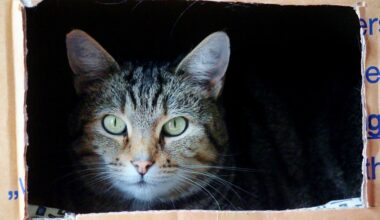

Understanding Iron Deficiency Anemia in Cats: Signs and Symptoms
Iron deficiency anemia in cats is a concerning health issue that requires attention and understanding. This condition arises when a cat’s body lacks sufficient iron to produce hemoglobin, the protein in red blood cells responsible for oxygen transport. A range of factors can contribute to iron deficiency, including chronic blood loss, poor dietary iron intake, and malabsorption issues. It’s essential for cat owners to be aware of the signs and symptoms associated with this condition to ensure prompt and effective treatment. Symptoms may range from lethargy and weakness to paleness of the gums and skin. Additionally, affected cats may breathe rapidly or exhibit a decrease in appetite, which can further complicate their health. It’s crucial to consult a veterinarian for a definitive diagnosis, as they can perform blood tests to measure the levels of iron and check for any underlying health issues. Preventative measures, such as ensuring a balanced diet rich in iron, are essential to help maintain your cat’s overall well-being. The importance of nutrition in your cat’s diet cannot be overstated.
Iron-rich foods, such as liver and certain fish, can help prevent deficiencies. Besides diet, ensuring that your cat receives regular veterinary check-ups can detect potential health issues early, leading to better management of their nutritional needs. If anemia is diagnosed, your veterinarian may recommend supplements or dietary changes to enhance iron intake. Monitoring your cat’s response to treatment is also vital, as some cats may require ongoing support. Understanding the relationship between iron supplementation and recovery from anemia can empower you as a pet owner. Pay close attention to any changes in your cat’s behavior or energy levels after introducing new foods or supplements. Furthermore, your vet can help you determine the best approach for your cat’s specific situation, taking into account any existing health conditions. It’s important to carefully follow your veterinarian’s instructions regarding supplementation, as excessive iron can also be harmful. Ultimately, investing time in understanding your feline friend’s needs can lead to a happier, healthier life free from anemia concerns. Early intervention can vastly improve prognosis and quality of life for affected cats.
In cases where anemia is caused by blood loss, identifying the source is crucial. Common causes can include parasites, such as fleas or ticks, which can contribute to blood loss and lead to iron deficiency. Ensuring that your cat is on a good parasite prevention program is essential in maintaining their overall health. Identifying symptoms in your cat, such as excessive grooming, is also important for detecting potential parasite issues. Additionally, some medical conditions, such as kidney disease or cancers, can contribute to anemia, emphasizing the need for a thorough veterinary evaluation. Proper diagnostic tests may reveal underlying conditions that need to be addressed in conjunction with iron supplementation. Once diagnosed, treatment may require collaboration between your veterinarian and a veterinary nutritionist to create an optimal care plan. Balancing dietary needs with medical treatments can be a complicated process. A holistic approach will not only target the anemia effectively but also take into account other factors influencing your cat’s health. Always keep your veterinarian informed of any changes observed during the treatment process, as this will guide necessary adjustments.
Supplementation of Iron and Its Importance
Iron supplements play a pivotal role in treating iron deficiency anemia in cats, especially when dietary sources alone are insufficient. These supplements come in various forms, including liquid and tablet options, allowing for versatility in administration methods. Always consult your veterinarian to determine the most suitable type and dosage for your cat. Failure to adhere to recommended dosage can lead to complications such as gastrointestinal upset or iron toxicity. Administering iron in conjunction with vitamin C can significantly improve absorption, providing added benefits for your cat’s recovery. Understanding your cat’s individual needs is crucial in deciding the appropriate supplement and dosage. Watch for any adverse reactions following supplementation and report these to your veterinarian promptly. Besides supplementation, monitoring your cat’s blood levels post-treatment is essential to ensure effective recovery and reestablish healthy iron levels. Periodic follow-ups will help you determine if additional supplementation is necessary. Provide your cat with a well-balanced diet that complements supplementation efforts. Hobanizing nutrition with medical treatment provides the best possible outcome for managing iron deficiency anemia.
It’s critical to educate oneself about the dietary needs of felines, particularly concerning their iron intake. Unlike some animals, cats have specific requirements for dietary iron that must be met through animal-based protein sources. Feline diets should include organ meats, seafood, and high-quality pet food complemented with iron-rich ingredients. It’s essential to avoid solely feeding cats plant-based diets, which can lead to inadequate iron intake and may cause health issues, including anemia. Additionally, any sudden changes in diet should be approached cautiously, ensuring gradual transitions to avoid digestive troubles. Educating oneself on proper feeding practices can prevent nutritional deficiencies in the long run. Pay attention to the ingredient lists on commercial cat foods to ensure they are high in animal protein. Discuss your cat’s unique dietary needs with your veterinarian, who can suggest appropriate food types and brands. Regularly evaluating your cat’s diet, along with any supplements being given, will help to optimize their overall health. Remember, a proactive approach to your cat’s nutrition can prevent many health problems associated with iron deficiency.
Another vital aspect to understand is the impact of stress on your cat’s health, including their nutritional status. Stressful situations can lead to decreased appetite and changes in feeding behavior. This can exacerbate any existing nutritional deficiencies, including iron deficiency, as well as contribute to the development of anemia. If your cat is facing a particularly stressful environment or lifestyle change, such as moving homes or introducing new pets, consider strategies to ease their adaptation. Create a calm space in your home, filled with familiar objects, and allow your cat to adjust at their own pace. It’s also beneficial to provide positive reinforcement and attention during this time. Socialization and interaction are vital components of your cat’s mental health as well. Engaging in interactive play can help alleviate stress. Addressing environmental factors can significantly impact your cat’s overall health, including their nutritional status and ability to absorb vital nutrients. Remember, a relaxed cat is likely to exhibit better eating behaviors and nutritional absorption. Health and nutrition are interconnected, stressing the importance of addressing emotional wellbeing alongside physical health.
Mental Health and Nutrition Connection
Many cat owners often overlook the connection between mental health and proper nutrition. Psychological factors contribute to a cat’s overall wellbeing, including their ability to maintain a healthy appetite and nutrition levels. As such, understanding the psychological influences that can lead to nutritional deficiencies, including iron deficiency anemia, is crucial. When a cat experiences anxiety, it may engage in behaviors that lead to reduced food intake, impacting their overall health in various ways. Observing your cat for fluctuations in appetite or strange behaviors can help identify potential stressors affecting their dietary habits. Regular play sessions and enriched environments can improve mental stimulation, leading to better eating behaviors and nutritional status. Furthermore, engaging with your cat through interactive toys and puzzle feeders can stimulate their instincts. This not only enhances their quality of life but also encourages proper eating habits. Providing mental stimulation can empower your cat to feel more secure and reduce stress-related health issues. By focusing on a combination of mental health and nutrition, you can bolster your efforts in managing your cat’s health effectively. Overall, a holistic approach is vital.
Finally, recognizing the importance of guardrails when implementing new dietary changes or supplements is essential for your cat’s safety. Ensure you only purchase high-quality supplements from reputable manufacturers, as the market is filled with dubious products. Consult with veterinarians beforehand when choosing any supplements, particularly those designed to address anemia or iron deficiencies, for your kitty. Choosing the right supplements can prevent unwanted side effects and promote overall health. Additionally, it’s beneficial to document your cat’s dietary habits, symptoms, and behavior changes throughout treatment, allowing for better communication with your veterinarian. Being proactive complements the approach to manage anemia and maintain your feline friend’s health. Additionally, consider keeping your cat’s environment stress-free and stimulating, as this enhances their overall well-being. A friendly and low-stress atmosphere helps keep your cat’s appetite and subsequently boosts their nutritional intake. Caring for a cat with anemia can be a collaborative effort, combining your attention and love with your veterinarian’s expertise. This alliance can lead to the best outcomes, ensuring your cat lives a long, healthy life, free from the debilitating effects of anemia while enjoying a balanced diet tailored to their needs.