
Understanding the Pet Passport: Regulations for Traveling Cats
Traveling with your cat requires a comprehensive understanding of the necessary regulations and vaccinations, crucial for ensuring a smooth journey. The pet passport is vital, enabling cats to travel internationally while meeting the requirements of different countries or regions. First, it is important to ensure that your cat is microchipped, as many countries require this for identification. Additionally, the cat must be vaccinated against rabies at least 21 days before traveling. These regulations are mandated by both international and national law. It is also essential to review specific requirements of the destination country as they can vary significantly. Always consider checking with the nearest consulate or the embassy about any additional paperwork needed for your cat, including a veterinary certificate. Moreover, you should prepare for possible quarantine upon arrival in your chosen country if your vaccinations do not meet their criteria. This precaution may prevent the potential spread of diseases. Always use accredited veterinarians for vaccinations and paperwork to facilitate acceptance at border controls, ensuring the health and wellbeing of your cat throughout the travel process.
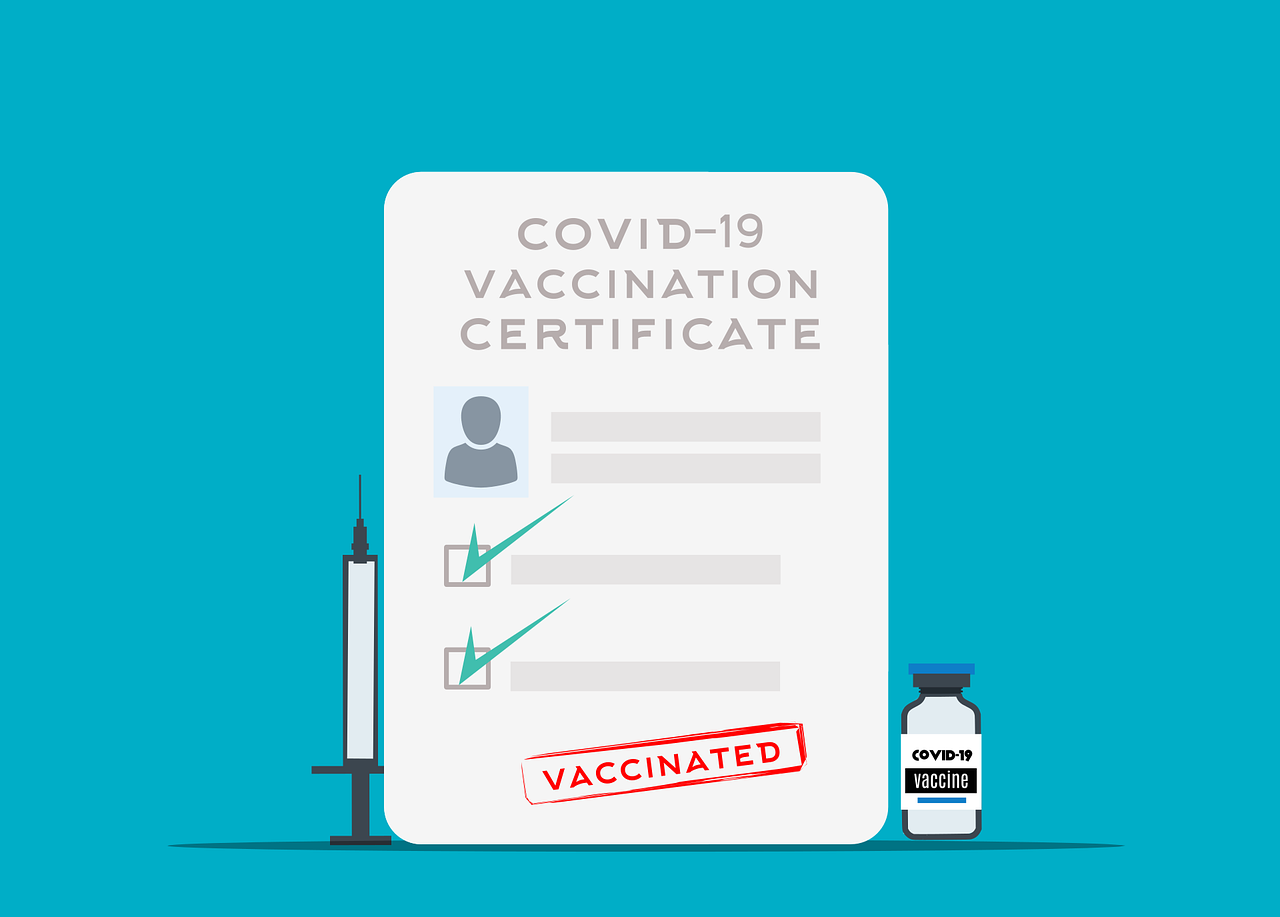
One crucial aspect of the pet passport is the health certificate issued by a veterinarian. This certificate confirms your cat’s vaccination status, and it should include detailed information about the microchip, the vaccination records, and the general health assessment of your pet. This document often has to be issued within a specific time frame prior to travel, usually within three to ten days. Some countries may have additional health requirements, including treatments for parasites. If your cat is traveling to the European Union, it is mandatory for the certificate to be in English or the official language of the destination country. Understanding the nuances in documentation can save you from potential headaches. Furthermore, keep a copy of this health certificate with you while other copies remain with your cat’s travel items. This could prove handy if authorities or boarding facilities require verification. Being proactive about documentation ensures a smooth process when crossing borders. Lack of appropriate documents can lead to increased delays, quarantine, or even denial of entry. Be vigilant and check all regulations beforehand for a stress-free journey.
Vaccination and Microchipping Protocols
Regarding vaccinations, rabies is not the only vaccine your cat may require. Depending on your travel destination, your cat might also need to be vaccinated against feline distemper, feline herpesvirus, and feline calicivirus. Guaranteeing that all vaccinations are current and that you have proof of administration in your pet passport is vital. Ideally, all vaccinations should be administered at least three weeks before departure to allow enough time for the cat’s immune system to build resistance. Always consult with your veterinarian to discuss which vaccinations are advisable based on your travel itinerary. This helps in tailoring the healthcare plans suited for your cat’s unique needs. Cats considered high-risk may require extra vaccinations or treatments. In addition to vaccinations, microchipping your cat is crucial, as it allows for easy identification if your pet gets lost while traveling. Different nations have various microchipping regulations. Ensure your cat’s microchip is registered with up-to-date information. If your cat is already microchipped, double-check to ensure it’s in good working condition for traceability during travel.
Even with the appropriate vaccinations and microchip, traveling with your cat does require additional preparation to ensure your pet’s safety and comfort. First, invest in a quality travel carrier that meets international airline regulations. Your cat should be accustomed to the carrier before travel, as this reduces anxiety and stress. Consider getting your cat familiar with short trips in the carrier. Start this acclimatization process well in advance of any long travel. Additionally, try to schedule flight times that minimize delays and layovers, which could adversely affect your feline friend. Always carry water and snacks suitable for your cat during travel. Choose vet-approved travel food that can be served easily to avoid the need for messy feeding. It is also helpful to pack a small first aid kit, including necessary medications, extra food, and any items your cat finds comforting, such as toys or blankets. Research pet-friendly accommodations and confirm they allow cats well before your trip. Hydration is essential, so offer water regularly and monitor your cat’s behavior during the entire journey.
Customs Regulations: Understanding Your Destination
When you arrive at your destination, you’ll likely encounter customs regulations that may require careful attention. Countries generally expect travelers with pets to declare them upon entry, following specific guidelines based on local laws. Each nation has a unique pet import process; thus, familiarizing yourself with these regulations can streamline your arrival. Upon entering a country, be prepared to produce documentation detailing your cat’s vaccination history and health certificate. It’s advisable to ensure that all documents are available in paper form; many countries do not accept digital versions. Moreover, some customs officials may want to inspect your cat upon arrival, especially if there are discrepancies in the paperwork. While arriving in a pet-friendly nation can be smooth, some countries have stringent regulations leading to quarantine for cats that do not meet standards, a situation best avoided by being prepared. Make sure you double-check local guidelines before travel dates as rules can change, and ensuring compliance may save you considerable time and trouble at customs.
Traveling with your cat holds immense joy, but there are potential complications as well. Knowledge of regulations is vital for a harmonious pet travel experience. In some cases, misinformation leads to unnecessary delays and stress for both you and your cat. It is crucial to follow all veterinary recommendations for vaccinations and treatments applicable to your travel destination. Additionally, ensure you are educated about current laws concerning pet travel. Use reliable sources to gather information, and make it a point to revisit this information close to your departure date. Regulations can change, and being informed mitigates risks. A reputable travel agency can also be of help, offering insights into regulations tailored for pet traveling. Always keep your cat’s welfare a top priority. This will streamline the process, making traveling delightful for both you and your furry companion. Ultimately, smooth planning and knowledge play key roles in empowering pet owners to navigate the complex regulations regarding cat travel. Your meticulous preparation will be rewarded with unforgettable memories and enriched experiences, making the journey worth every effort in advance.
Conclusion: Ensure Safe Travels for Your Cat
In conclusion, understanding regulations regarding cat travel and vaccinations is essential to ensure their safety and well-being. A dog may be the classic choice for travel companions, but cats bring a unique charm to adventures. Be diligent in meeting all vaccination requirements and securing the necessary health certificates to avoid disruptions during your travels. Take the time to prepare thoroughly before undertaking a journey as this is a reflection of your commitment as a responsible pet owner. Also, remember that different countries have varying requirements surrounding pet travel. Therefore, always consult authoritative sources or consulates before you embark on your journey. The thorough arrangements not only protect your cat but also enhance the overall travel experience. Remember, your feline friend relies on you for safe travels, support, and companionship. Along with the right preparations, both you and your cat can create beautiful memories while exploring new destinations together.
As you embark on this journey, know that each step taken toward ensuring that your cat is prepared for travel is a step toward easing your stress. Now that you have explored these regulations, the next time you consider traveling with your furry friend you can do so with newfound confidence. A happy cat means a happy owner, so always prioritize their comfort in planning. You are now equipped to face customs regulations head-on. By closely adhering to rules while planning every detail, you can transform your travels from potentially troublesome to exciting adventures. Protecting your beloved pet while experiencing new cultures will lead to joyful moments. Not only does navigating through pet travel regulations flatten the path for an easier journey, but it also showcases your dedication to responsible pet ownership. Upon returning from your travels, celebrate the experiences gained and cherish the companionship you’ve built with your cat along the way. In further explorations, strive to maintain and seek out updated information ensuring future travels become even better. Ultimately, building a travel plan means creating unforgettable moments alongside your furry buddy.