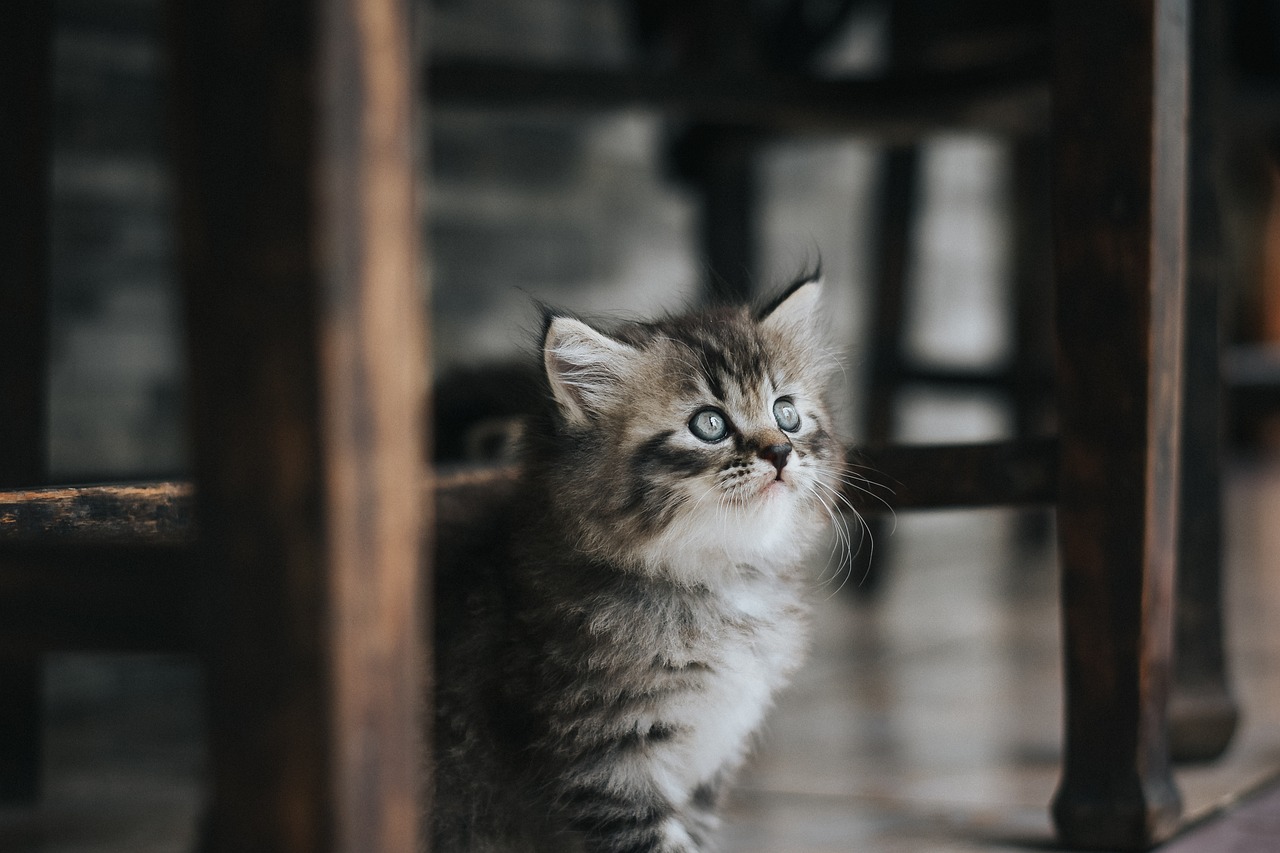

Essential Training Tips for Your New Kitten
Training your new kitten is an incredibly rewarding experience that benefits both you and your furry friend. Establishing a solid training foundation is essential for ensuring good behavior and creating a harmonious household. Begin training your kitten as soon as they arrive home; early socialization can make a significant difference in their behavior as they grow. Start with simple commands and gradually build upon them, ensuring that your kitten feels comfortable and secure. Training sessions are best done in short bursts, lasting around five to ten minutes. This approach helps to keep your kitten engaged and interested, reducing the chance of frustration or distraction. Use plenty of positive reinforcement during training, such as treats, praise, and petting, to encourage good behavior. By creating a positive association with training, your kitten will be more inclined to follow your cues. Additionally, consistency is key; using the same commands and hand signals consistently will help your kitten learn faster. As they gain confidence, you can slowly introduce new commands and tricks to enhance their skills. Over time, your bond will deepen as they learn to trust your guidance.
To effectively train your kitten, establish a designated training area where distractions are minimized. It could be a quiet space in your home where your kitten feels safe. A calm environment encourages focus and receptiveness. Within this space, introduce various training tools, such as clickers, toys, and treats. The clicker is particularly useful for signaling the exact moment your kitten performs a desired behavior. Additionally, consider using interactive toys that stimulate your kitten’s mind and provide opportunities for engagement. Remember, patience is paramount during training. Each kitten learns at their own pace; some may catch on to commands quickly, while others may take longer. Repeating commands consistently in a loving tone helps reinforce the learning process. When your kitten successfully follows a command, immediately reward them. This reinforces the behavior you wish to encourage, creating a positive reinforcement loop. Vary the rewards occasionally to maintain your kitten’s interest, progressing from treats to affection and playtime. Keep training sessions light-hearted and fun; a positive atmosphere encourages enthusiasm for learning. Avoid negative reactions, as they can instill fear or anxiety, hindering progress.
Addressing Behavioral Issues
Understanding typical kitten behaviors is crucial to effective training and addressing potential behavioral issues. Kittens explore their environment through play and curiosity, which can sometimes lead to unwanted behaviors, such as clawing furniture or biting. Recognizing these behaviors as natural urges allows you to guide them toward more appropriate activities. Providing alternative solutions, such as scratching posts and engaging toys, is essential to redirect their energy. When your kitten starts scratching your furniture, gently redirect them to the scratching post and reward them when they use it instead. Consistent redirection will help your kitten associate positive experiences with the correct behavior. For biting, discourage it by immediately stopping play when your kitten’s teeth touch your skin, signaling to them that hard play is not acceptable. They will learn to modulate their behavior over time. Additionally, ensure they have plenty of toys available to satisfy their need to hunt and play. It’s vital to regularly engage your kitten in interactive play sessions, using toys that mimic prey-like movements to keep them entertained and mentally stimulated.
Another significant aspect of kitten training involves litter box training. Most kittens instinctively know how to use a litter box, but accidents can happen during the adjustment period. Ensure that you provide a clean, easily accessible litter box; this will encourage proper usage. It’s advisable to keep the litter box in a quiet area where your kitten can use it without disturbances. If your kitten has accidents, avoid scolding them, as this can create anxiety. Instead, gently place them in the litter box after meals or nap times. Additionally, keep the box clean by scooping out waste daily and changing the litter frequently. This helps prevent any aversions your kitten may develop toward using the box. Watch for signs that your kitten needs to go, such as sniffing around or meowing. If your kitten consistently uses the box, offer praise or a small treat, reinforcing good habits. Adjust the type or depth of litter if your kitten appears hesitant, as some preferences can differ greatly among individual cats.
Socialization is Vital
Socialization is a critical component of kitten training, impacting their behavior around people and other pets. Kittens should be exposed to various environments, people, and sensations from a young age. This exposure should be positive and gradual to avoid overwhelming them. Introduce your kitten to different areas of your home, encouraging exploration and curiosity. Invite friends over to interact with your kitten, allowing them to become accustomed to different voices and smells. Additionally, familiarize your kitten with sounds that they may encounter, such as vacuum cleaners or doorbells, to reduce fear responses. It’s also essential to socialize them with other pets in your household, making introductions slowly and ensuring safety for all involved. Utilize barriers, like baby gates, to allow pets to see and smell each other without direct contact initially. Offer positive reinforcement to encourage calm and friendly interactions. Monitoring their body language and adjusting the pace of introductions will help keep the experience enjoyable, hindering potential aggressive or fearful behavior as they become more comfortable with their surroundings.
A key part of training your kitten involves teaching them essential commands that enhance communication and safety. Basic commands like ‘sit,’ ‘come,’ and ‘stay’ are fundamental for good manners and can save their life in certain situations. Use treats or toys as a reward to encourage compliance when introducing each command, breaking down the action into smaller steps. For example, to teach ‘sit,’ gently guide your kitten into the sitting position, giving praise and a treat when they do so. Consistency in your approach is critical; use the same command and tone each time to prevent confusion. Practice regularly, preferably multiple times a day, to reinforce these commands. Keep sessions short and fun to maintain your kitten’s attention span and willingness to participate. Over time, reduce the frequency of treats as your kitten begins to understand and respond consistently to your commands. Instead, use verbal encouragement and affection as rewards. Additionally, it is vital to remain patient and supportive throughout training, helping your kitten build both confidence and trust in their abilities.
Health Aspects of Training
Alongside behavioral training, understanding your kitten’s health needs is crucial. Regular veterinary check-ups will ensure your kitten remains healthy physically and mentally, helping to identify any potential issues early on. Vaccinations, parasite prevention, and spaying or neutering are essential steps for maintaining your kitten’s health and well-being. A healthy kitten is far more likely to engage positively in training sessions and social activities. You should provide a balanced diet tailored for their age, ensuring they receive the necessary nutrients for development and energy. Fresh water should always be available. Regular playtime and exercise also contribute to their physical and mental health; interactive play can satisfy their hunting instinct while preventing obesity. Monitor their behavior for any signs of distress or illness; early intervention can make a significant difference in recovery and ensure that training continues smoothly. If you notice unusual changes in appetite, energy levels, or elimination habits, consult your veterinarian without delay. A proactive approach to your kitten’s health will not only enhance their quality of life but also make your training efforts far more effective.
Finally, remember to enjoy the journey of training your kitten. Celebrate small successes, as each step forward brings you closer to a well-behaved feline companion. Your attitude during training greatly influences your kitten’s experience. Maintain a joyful atmosphere, and be prepared for some setbacks along the way; patience is key. Each kitten is unique, with their own personality traits and learning speeds. Embrace these differences and adjust your training methods accordingly. Engage other family members in the training process to promote a cohesive approach, establishing clear expectations for the kitten’s behavior. Encourage everyone to use the same commands and training techniques to prevent confusion. Furthermore, maintain realistic expectations; training is an ongoing process that develops with time and practice. Regularly assess your training goals and make adjustments as necessary. Continue to seek out new techniques and resources to keep training fresh and exciting. Building a strong bond through consistent communication and training will lead to a loving and loyal companion. Remember that the goal of training is not only to teach commands but also to foster a relationship based on trust and respect with your beloved kitten.