
Feline Urinary Blockage: Emergency Care and Prevention
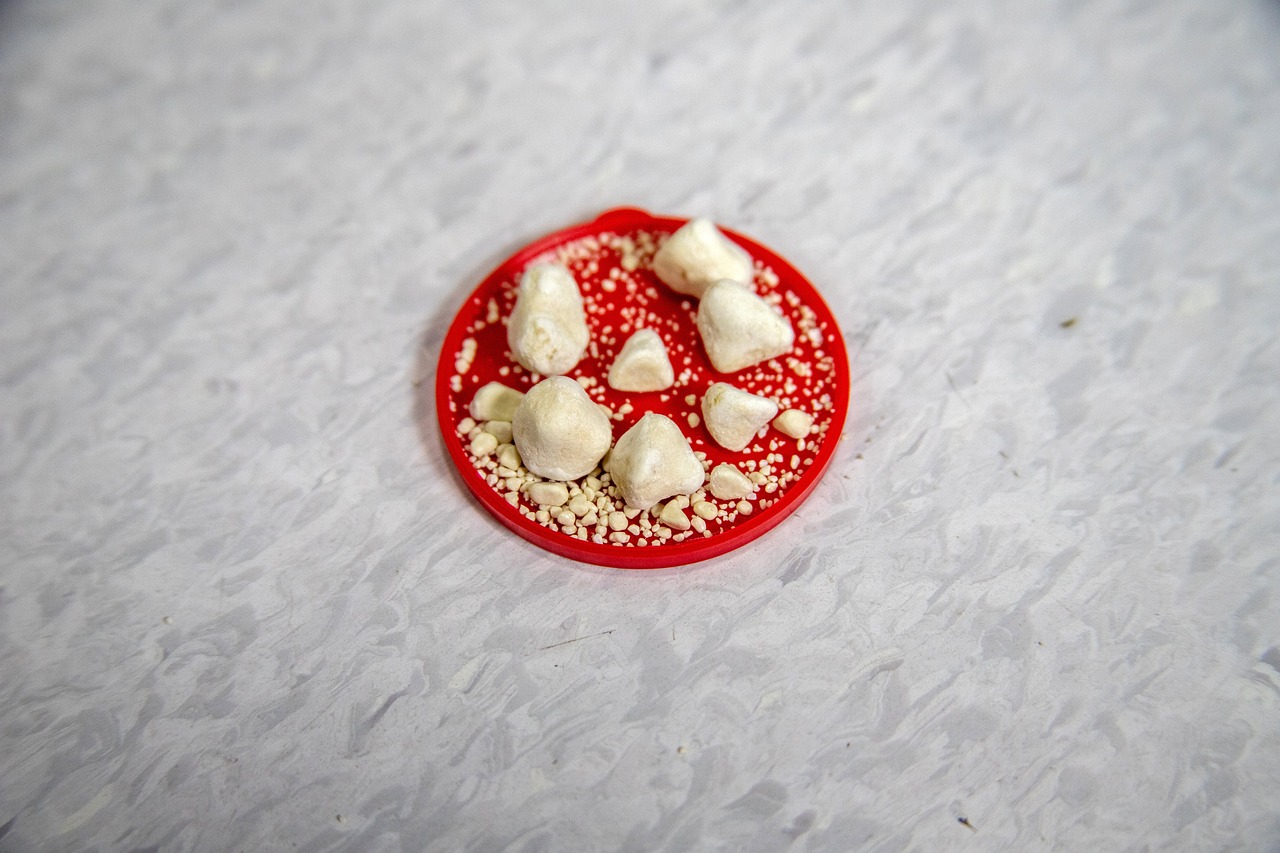
Understanding feline urinary blockage is crucial for every cat owner. Cats can develop this severe condition, which can become life-threatening without immediate attention. Urinary blockage occurs when there is an obstruction in the urinary tract preventing the cat from urinating normally. This may occur due to several reasons, including the formation of urinary crystals and plugs, urinary tract infections, or even certain types of tumors. Symptoms are often alarming and may include frequent trips to the litter box, straining to urinate, and even visible distress. Affected cats may also exhibit signs of pain, lethargy, or vomiting. If any of these symptoms are present, seeking emergency veterinary care is essential. Delaying treatment can lead to serious health consequences, including bladder rupture and severe kidney damage. It is also critical to understand that males are significantly more affected than females due to their anatomy, which makes them more prone to blockages. Therefore, monitoring your cat’s litter box habits closely can help catch any issues early.
Once your cat is diagnosed with a urinary blockage, immediate treatment options become critical to effectively manage this life-threatening condition. Veterinary professionals will usually perform a physical examination and diagnostic imaging, such as X-rays or ultrasounds, to identify the blockage’s cause. Treatment may involve the administration of pain relief, catheterization to relieve the bladder, or even surgery in more severe cases. Following treatment, hospitalization may be required to ensure your cat recovers properly and to manage any complications that may arise. After stabilization, your veterinarian may recommend dietary changes, increased water intake, and special medications to reduce the recurrence of urinary blockage. Additionally, home monitoring is often advised to observe your cat’s urination habits. Regular check-ups will further help in catching any possible recurrent issues early. Therefore, owner vigilance plays a crucial role in prevention. Providing a stress-free environment and ensuring your cat has access to clean water can aid in urinary tract health. Understanding specific risk factors, such as breed tendencies, can also empower owners.
Recognizing the Symptoms
Recognizing symptoms of urinary blockage early can significantly impact the effectiveness of treatment. A cat with a urinary blockage may display various distress signals, which could vary from one feline to another. Most often, you will first notice changes in their litter box behavior. For instance, they may excessively go to the litter box yet produce only a small amount of urine, suggesting straining. This straining can be mistaken as constipation, but when it occurs alongside distress signs, a urinary issue becomes more probable. Additionally, watch for behavioral changes such as excessive grooming around the urinary area, vocalization, or hiding. If a cat suddenly stops eating or drinking water, it’s a sign that immediate veterinary attention is necessary. In some cases, you may also observe blood in their urine, which is indicative of urinary tract issues. Any combination of these symptoms warrants an immediate visit to a veterinarian. Consequently, pet owners must be aware of these symptoms to act promptly and avoid potential complications that arise from untreated urinary blockages.
Preventing urinary blockage in cats is multifaceted but can be highly effective with some diligence. One of the most effective strategies involves ensuring your cat is consuming a well-balanced diet specifically tailored to urinary health. These specialized diets typically promote urinary pH balance and dissolve small crystals. Consult your veterinarian for recommendations regarding a diet suitable for your cat. Additionally, keeping your cat hydrated is equally important. Encouraging liquid intake can be done by providing fresh, clean water at all times alongside wet food options, which contain more moisture. You could invest in a pet water fountain to attract your cat to drink more frequently. Managing weight and preventing obesity also contribute significantly to urinary health; overweight cats are at higher risk for blockages. Moreover, considering your cat’s mental health through stress reduction strategies is critical since stress has been linked to urinary issues. Building a peaceful home environment and engaging in color or sound enrichment can alleviate anxiety. Thus, creating a supportive environment is paramount to your cat’s ongoing urinary health.
Conclusion
In conclusion, feline urinary blockage is a serious health issue that requires immediate attention and proactive prevention strategies. Understanding the symptoms, recognizing behavior changes, and providing adequate care and nutrition can significantly reduce your cat’s risk of developing this condition. Veterinary care is essential in both emergency situations and for regular health assessments to ensure early detection of any potential problems. As a responsible cat owner, being vigilant about your pet’s health is crucial. Observe your cat’s litter box habits closely, as any deviation can indicate possible underlying issues. In addition to this, make sure to create an environment where your cat feels comfortable and secure. Regularly engaging with your veterinarian for check-ups can help ensure your cat stays healthy. Remember that urinary blockages can happen, but with vigilance, support, and knowledge, interventions can be made swiftly to ensure the best possible outcome. Urging pet owners to become well-informed advocates for their feline friends is critical. Ultimately, knowing how to offer the best possible care and recognizing when to act can save your cat’s life.
Taking steps into being proactive can significantly improve a cat’s quality of life and overall health. Regularly scheduled veterinary visits can be beneficial in keeping track of your cat’s urinary health, thus enabling preventative measures. When visiting the veterinarian, ensure to have open conversations about your cat’s diet, behavior, and any noticeable changes. This dialogue helps in building a baseline of understanding regarding your pet’s health and needs. Your veterinarian may recommend routine urinalysis, which can catch issues early before they escalate into emergencies. Moreover, being aware of the season also plays a part; during warmer months, cats may avoid drinking as much water, leading to dehydration and urinary issues. Therefore, ensuring proper hydration during these times is crucial. Educating yourself on signs of distress will empower you to act decisively. Monitoring your cat’s litter habits and keeping a log can serve as an effective reference during vet appointments. Raising awareness about urinary health and sharing this knowledge can play an essential role in improving feline care across the board.
Your commitment to understanding feline urinary health translates directly into your cat’s well-being. Urinary blockages can present extensive challenges; however, being proactive in prevention and engaging with your veterinarian forms an effective partnership in healthcare. Heeding the signs of distress, maintaining open communication with healthcare professionals, and fostering a supportive atmosphere will significantly benefit your cat. Emphasizing proper nutrition, hydration, and lifestyle adaptations makes a world of difference in your cat’s urinary health. Being a responsible owner entails continual learning and adapting to your cat’s needs. The importance of immediate veterinary attention when symptoms arise cannot be stressed enough, as timely treatment may resolve issues swiftly. Investing the time to observe and understand your feline companion fosters a deeper bond and ensures they live a long, healthy life. Ultimately, arming yourself with knowledge and taking action can create a healthier environment that alleviates the chances of urinary issues arising. Therefore, embrace the responsibility that comes with pet ownership; your feline friend is worth every effort.