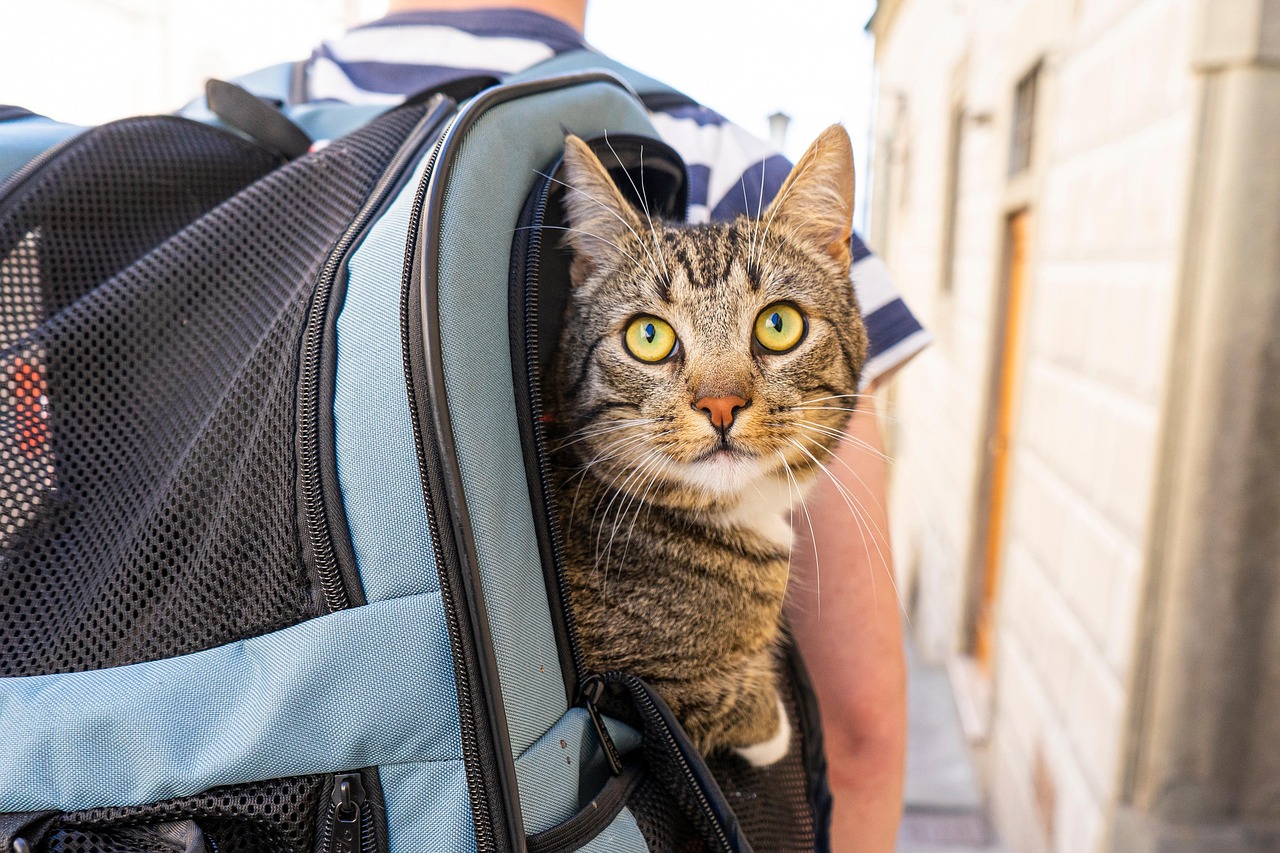

How to Pack and Manage Cat Food During Trips
Traveling with your cat can be an enjoyable experience. However, ensuring your feline friend is well-fed while on the go takes some planning. Here are some essential tips to guide you in packing and managing cat food effectively. First, choose high-quality, non-perishable cat food. Canned food can spoil quickly, making dry kibble a preferable option. Consider packing portioned servings in resealable bags or containers, ensuring you provide adequate amounts for each day of travel. Always have a measuring cup on hand for accurate servings that meet your cat’s dietary needs. Secure food items in a designated travel bag to prevent spills. Pack some of your cat’s favorite treats for a morale boost during long trips. Keep your cat hydrated by packing a portable water bowl and bottled water. If you’re staying in a hotel, remember that not all places will have access to clean food in the room, and bringing your own can be pivotal. Don’t forget to include a plastic scoop for servings and to maintain cleanliness while feeding.
In addition to packing dry food, consider the special dietary needs of your cat. Some cats may have allergies or require a vet-recommended diet. If you’re unsure about the foods your cat can consume on the trip, first consult your veterinarian. They can also advise on how much food to bring based on your cat’s weight and health condition. It’s crucial to account for travel time and adjust your food supply accordingly. Plan for any unexpected delays by bringing extra food that can be crucial during emergencies. Invest in a travel-friendly feeding dish that is easy to clean, collapsible, and lightweight, ensuring a stress-free feeding experience. Establish a feeding routine during travel similar to that at home. Familiarity can help ease anxiety for your cat. Maintain communication with any travel companions regarding feeding schedules so they can assist when necessary. Always monitor your cat for any signs of stress or digestive issues that may arise due to dietary changes while traveling. Make feeding time a calm and pleasant experience, helping your cat cope better with new environments while ensuring their nutrition is kept intact.
Best Practices for Feeding Your Cat While Traveling
Your cat’s comfort should be a priority when traveling and managing its feeding routine is vital. When considering food storage, ensure it is safe and secure to prevent any spills that might not only create a mess but also affect your cat’s health. Look for airtight containers to keep food fresh and free from pests, optimizing each meal’s quality while on the road. If your cat requires wet food occasionally, seek pouches or single-serving cans that are easy to distribute. Keep in mind that proper digestion is just as important as the type of food your cat consumes. Schedule feeding times that align with regular mealtimes at home, helping maintain your feline’s routine. During travel, avoid sudden dietary changes. If your cat is used to specific flavors or brands, bring those along to ensure they feel secure and satisfied. During your stops, allow your cat to eat in a calm environment. Engaging with your pet while they feed can provide reassurance and create comfort as they adjust to transit experiences and unknown destinations.
Always provide fresh water as hydration is essential for cats, especially during travel when they may become stressed. Attach a portable water bowl to your cat’s carrier or invest in a collapsible bowl to make it easy to offer water during rest breaks. It can be beneficial to acclimatize your cat to drinking water from a bowl similar to the travel version prior to your trip, ensuring they are comfortable and familiar with the bowl’s shape and size. Staying with a consistent feeding routine while traveling can ease stress and keep your cat from becoming overly anxious. If your cat shows resistance to eating while traveling, don’t force them, as stress can reduce their appetite. Instead, try offering treats or their favorite food at quiet rest stops. If your journey is long, consider breaking it into smaller segments, allowing your pet to stretch and relieve themselves, which can positively affect their eating habits as well. Stress management strategies, combined with maintaining routines, can facilitate an enjoyable travel experience for both you and your furry companion.
Health Considerations When Traveling with Your Cat
When traveling, it is vital to prioritize your cat’s health, including its feeding. Before embarking on your trip, schedule a check-up with your veterinarian to ensure your cat is in good health. Your vet can offer personalized advice on the dietary needs of your pet, especially for long journeys. Always carry a copy of your cat’s medical records and any medications needed to deal with health issues. In addition to food, pack a health-related travel kit that may include cat-safe anti-nausea medication, a first aid kit, and any supplement your feline may need. Charles, your closer support, won’t be able to assist your pet without proper documentation and health history. Keep informed about emergency veterinary services along your travel route. In case of unexpected health issues, having a location where you can take your cat is important. Ensure to provide a comfortable, quiet space in your vehicle for your pet during travel, promoting a relaxed environment that can alleviate stress while eating. Watching for appetite changes or other health symptoms during the journey is crucial. Early detection can help prevent future issues.
Remember that new environments and travel stress can disrupt your cat’s eating habits, so managing their diet is key to ensuring their overall well-being. Keep an eye out for any signs of gastrointestinal distress, such as vomiting or diarrhea, which can indicate discomfort or disruption in their routine. Providing safe snacks along the way can also help reassure your pet during stressful moments, so choose treats that your cat loves, and reward them during travel breaks. If your cat refuses to eat for an extended period, it may be necessary to consult with a veterinarian as it could lead to issues like liver disease. Understanding how travel affects your cat’s behavior can help address any feeding-related challenges that arise. Additionally, chronic stress may necessitate behavioral evaluations to help reduce anxiety levels for your pet. Providing a secure, familiar environment, such as a favorite blanket or toy, can ease anxiety and encourage healthy feeding habits. Patience and preparation are key when managing your cat’s feeding needs on the road, ensuring a smoother experience for both you and your furry friend.
Conclusion for Successful Cat Travel
In conclusion, feeding your cat while traveling requires adequate planning and care. By selecting the right food options and practices, catering to your cat’s specific dietary needs, and ensuring their health and hydration, you can create a stress-free environment for your feline friend. Packing portable food and water dishes will help maintain regular feeding schedules and comfort throughout the journey. Always consider your cat’s behavioral responses to new surroundings and manage their diet accordingly by keeping it consistent with their home routine. Communicating with travel companions on your cat’s feeding needs and sharing responsibility can ease the strain on the caregiver. Providing your cat with familiar elements and maintaining routines is essential to ensure successful travel experiences. Take frequent breaks to allow your cat to eat and drink, and monitor their behavior for stress markers. If issues arise, having planned veterinary resources can prove invaluable. By following these tips, you can enjoy traveling with your cat while ensuring their needs are met, making for a pleasant and memorable adventure that both of you will cherish. Safe travels and happy adventures with your beloved feline companion!
Ultimately, integrating these preparation steps and care ensures that both you and your cat enjoy smooth travel experiences together, creating cherished memories. It is important to be flexible and adaptable, understanding that road trips and travel plans may change. By maintaining an open attitude and preparedness, you can effectively manage feeding times, satisfying your kitty’s cravings while on the go. This way, trips become joyful adventures instead of stressful experiences, while your cat remains comfortable and well-fed throughout the journey.