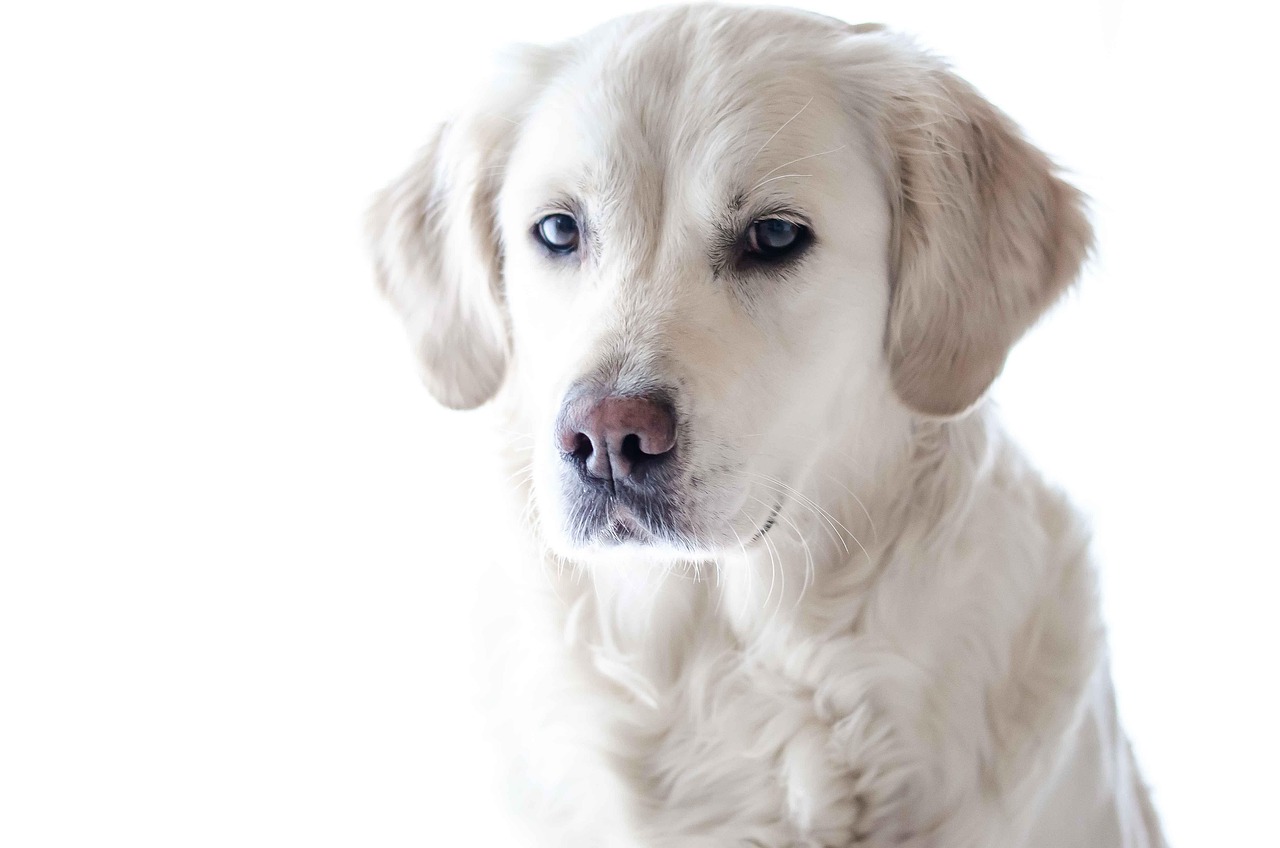

Impact of Owner Presence on Dog Behavior During Photography
Photography of dogs can yield stunning images, but it requires a keen understanding of their behavior. One crucial aspect is the presence of the dog owner. Dogs naturally seek comfort and assurance from their owners, especially in unfamiliar environments or situations. When owners are present during a photography session, it can significantly impact the dog’s demeanor. Dogs may exhibit calmer behavior when their owners are nearby, as the owner provides a sense of security. This can lead to capturing more relaxed and natural poses, enhancing the overall quality of the photographs. Conversely, if the owner remains distant, the dog might display anxiety or curiosity, making it difficult to achieve desired shots. Therefore, a photographer must consider the owner’s role not just as a subject but as a stabilizing force for the dog. The dynamics between the dog and owner play a vital role in how the dog behaves and presents itself during the session. A trusted owner will assist in evoking the best in their dog, helping photographers achieve that perfect shot that showcases the dog’s true personality. Understanding these nuances is essential.
The Role of Familiarity in Dog Behavior
The familiarity of a dog with its owner and the surrounding environment also significantly contributes to how it behaves during photography. Dogs typically feel most at ease in places they know well, particularly if they associate those settings with positive experiences. When taken to familiar spots, dogs display confidence that is conducive to capturing beautiful images. A stable environment allows them to express themselves freely, leading to authentic poses that reflect their personality. On the other hand, unfamiliar locations can induce anxiety in dogs. This apprehension can result in avoidance behaviors, such as hiding or excessive barking. To mitigate this, photographers should consider pre-session visits to familiarize the dog with the site and create a positive association. This not only increases the chances of capturing the desired imagery but also calms the animal. The photographer’s awareness of these behavioral cues is essential for adjusting strategies and achieving success. Owners can assist in this process by engaging with their pets, reinforcing feelings of safety and connection. The interplay of environmental factors and owner presence greatly impacts dog behavior.
Another significant factor in dog behavior during photography sessions is the owner’s emotional state. Dogs are inherently attuned to their owners’ feelings and reactions. If the owner appears stressed or anxious, this can transfer to the dog, resulting in a tense atmosphere that complicates the photography process. Therefore, owners must strive to remain calm and collected, building a tranquil environment for the session. Positive reinforcement techniques should be actively utilized to encourage desired behaviors from the dog. When an owner praises and rewards their pet for calm behavior, it fosters an atmosphere of positivity. Photographers should communicate this to owners, helping them understand their influence over the situation. A relaxed owner combined with effective communication can lead to stunning photography sessions. Moreover, it allows the dog to engage naturally, resulting in images that capture the essence of their character. To maintain a peaceful atmosphere, simple techniques such as deep breathing can help ease any tension. Overall, transparency between the photographer and owner regarding the dog’s needs is essential for a successful session.
Techniques for Engaging Dogs
Techniques that encourage engagement and interaction play a crucial role in dog photography. One effective method is to use toys or treats that the dog loves to grab its attention. This keeps the dog’s focus on both the owner and the camera. The owner must be actively involved, offering the toy or treat, while also being encouraging and supportive. Additionally, incorporating play into the photography session can yield fantastic results. Allowing dogs to run, jump, or fetch anything can capture their essence as lively companions. Candid moments during these activities result in authentic, joyful expressions, enhancing the overall appeal of the photographs. Furthermore, capturing these spontaneous moments allows photographers to document a dog’s personality accurately. Owners can also direct the dog’s attention away from distractions. This includes guiding the dog to look towards the camera or encouraging playful behaviors that create dynamic images. Maintaining energy and enthusiasm throughout the session is key, making sure the dog feels included and engaged. This ultimately results in vibrant images that highlight the dog in natural and playful ways, transforming ordinary moments into cherished memories.
Another vital aspect is timing during a photography session. Timing can significantly affect the behavior of a dog, particularly in relation to its natural energy levels throughout the day. Much like humans, dogs have peak periods of energy and focus. Morning or late afternoon, when temperatures are lower, might be ideal for outdoor photographs. Understanding these natural rhythms helps to select the best time for shooting. Additionally, allowing adequate breaks during the session ensures that the dog does not become fatigued or overstimulated. This is particularly important for certain breeds that might require longer rest periods. By observing dog behavior, photographers can become attuned to signs of fatigue, boredom, or overstimulation. Therefore, rest breaks should be integrated seamlessly into the photography timeline. Encouraging the owner to engage in calming interactions during these breaks helps the dog recharge, readying it for the next set of shots. Creating a relaxed and balanced atmosphere leads to increased compliance and cooperation from the dog, establishing a beneficial cycle during the photography experience. Consequently, effective timing promotes quality results.
Building Trust Between Dog and Photographer
Building trust between the dog and the photographer is paramount for successful photography sessions. A proper introduction can ease initial apprehensions an unfamiliar photographer may introduce. Allowing the dog to approach the camera personnel at its own pace encourages a sense of security. Photographers should kneel or sit at the dog’s level. This minimizes overwhelming the dog and fosters a friendly atmosphere. Gentle and soft-spoken voices, along with slow movements, facilitate a better rapport between the dog and the photographer. A playful demeanor will further enhance dogs’ comfort levels. After gaining their trust, dogs often reveal their playful and unique personalities. Trust is fundamental for capturing candid moments when they feel secure. Besides establishing rapport, photographers should also demonstrate familiarity with dog behavior. This knowledge allows photographers to gauge the dog’s mood and adapt accordingly. Being observant and responsive to subtle cues can pin down the right moment to capture the photograph. It’s essential to listen to the owner’s insights about their dog, as this can significantly enhance the session and yield favorably impactful results. These factors culminate in the opportunity to transform memorable experiences into stunning images. This ultimately highlights the bond between dog and owner.
Understanding the impact of distractions in the environment also contributes to successful dog photography. Owners should be mindful of their surroundings, particularly when planning a shoot. External stimuli such as other animals, noisy children, or unrelated distractions can cause unease in dogs, impacting their behavior and cooperation. An understanding of these factors is necessary for strategizing an effective photography session. This means selecting locations that are calm and have familiar elements for the dog. Unfamiliar sounds or sights can detract from the pet’s focus and make it challenging to achieve desired imagery. Photographers may also need to use sound techniques or visual prompts to divert their attention. Incorporating these strategies creates a compelling experience that maintains the dog’s focus on the owner. Planning for contingencies is part of a successful photoshoot. Owners should bring calming items to assist with distractions, such as familiar toys or blankets to create a comforting atmosphere. Ultimately, being proactive about minimizing distractions leads to successful sessions full of beautiful moments captured forever. Following this knowledge can substantially elevate the quality of dog photography.
Lastly, reviewing the captured images after the session can provide insight into what worked well and areas for improvement. Owners should assess which poses or settings resulted in the best images, allowing them to become more knowledgeable about their dog’s camera comfort in the future. Discussing the session with the photographer can yield valuable feedback on behavior, reactions to poses, and how to including the owner effectively. This review process builds an understanding of how to engage more effectively during future sessions. Identifying the optimal moments when the dog was at ease can also guide the adjustments needed, ensuring the next session is even better. For professional photographers, this captures opportunities the owner may have missed for improvement. The established rapport from the previous shoots can facilitate smoother collaboration in future sessions. Owners who reflect and analyze the photography sessions gradually become adept at understanding their dogs’ behavior better. This understanding creates a cycle of learning that will prove beneficial for both the dog and photographer, elevating the art of photography to new heights. As both parties grow in familiarity and trust, the quality of the images captured will also increase dramatically.