
Using Positive Reinforcement to Prepare Your Dog for Outdoor Exercise
Preparing your dog for outdoor exercises is crucial to ensure that they are not only physically fit but also mentally stimulated. The method of positive reinforcement plays an essential role in this preparation. Positive reinforcement is a training technique that involves rewarding desired behaviors to encourage their repetition. This method helps in building a strong bond between you and your pet. Start by introducing simple commands at home with treats as rewards. Use praise and your dog’s favorite snacks to reward them for showcasing good behavior during training. This creates a focus on the positive outcomes of expected actions. Gradually incorporate outdoor settings where distractions are plentiful to further challenge your dog while offering the same reinforcement techniques. Always maintain a calm demeanor as your dog picks up on your emotions. Consistency is key; ensure that all family members apply the same positive reinforcement strategies to avoid confusion for your dog. Using these techniques effectively, you can create a more enjoyable outdoor exercise experience for both you and your furry companion, fostering a healthy and active lifestyle for years to come.
A fundamental aspect to consider when preparing your dog for outdoor exercises is to create a structured routine. It’s beneficial to establish a specific schedule for walks and playtime. Dogs thrive on consistency, and having set times for exercise will help your dog know what to expect. Introduce outdoor activities gradually, starting with shorter, less strenuous exercises, and increasing duration and intensity over time. While exercising, observe your dog’s behavior and energy levels. If they seem fatigued or disinterested, it may be best to take breaks or reduce the time spent exercising. Incorporating fun elements like fetching a ball or playing tug will help keep your dog engaged. Every successful exercise session should end positively, allowing your dog to associate the activity with pleasurable moments. On particularly warm days, choose cooler times for outdoor activities, such as early mornings or late evenings. Remember, hydration is important. Always have water accessible during breaks to keep your pet well-hydrated. Consistent exercise not only improves physical health but also enhances mental stimulation, benefiting both your dog and your relationship.
Incorporating Equipment for Outdoor Fun
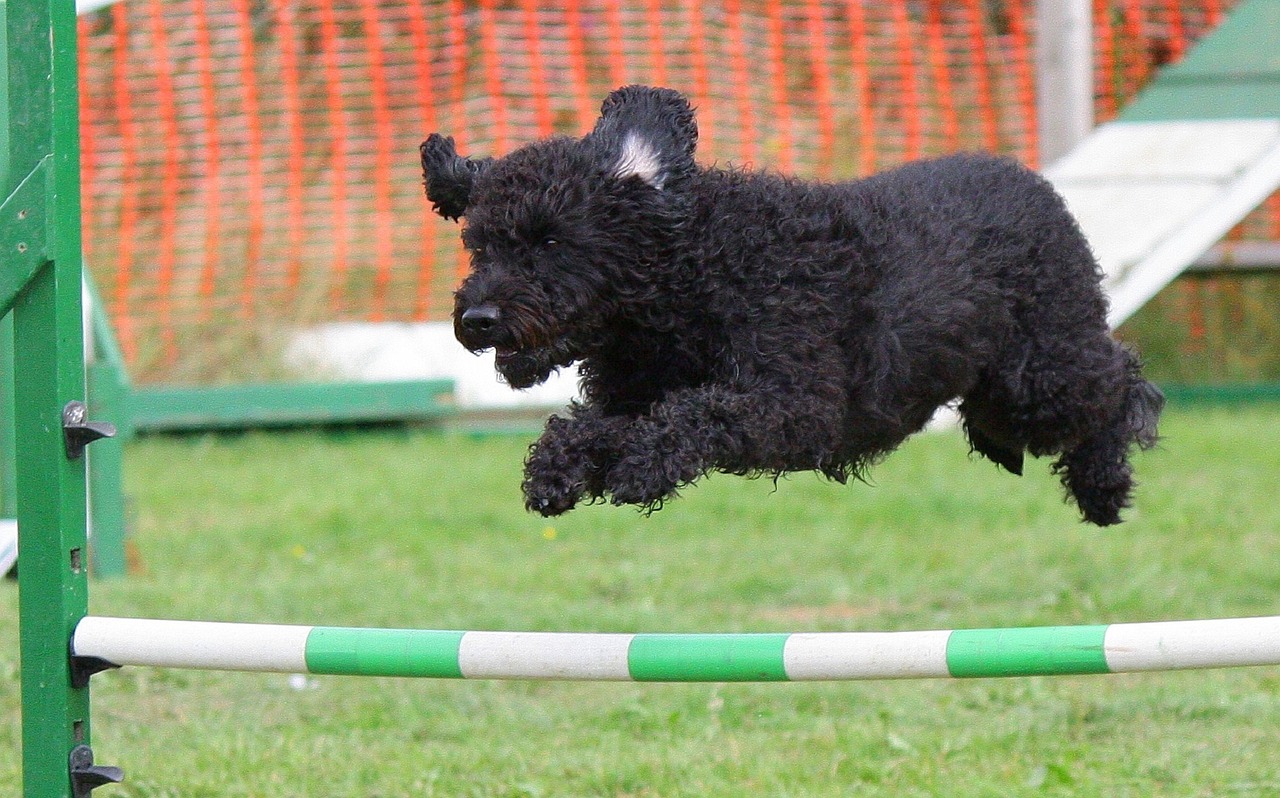
Using the right equipment is essential when preparing your dog for outdoor exercises. When engaging in activities like running or hiking, a comfortable harness is often a better choice than a traditional collar, as it provides more control and reduces strain on the neck. Additionally, consider using a long leash, which allows your dog more freedom to explore while still ensuring safety. For dogs that require a little extra motivation, items such as toys or agility equipment can significantly enhance outdoor activities. These tools help make exercising more enjoyable and engaging for your dog. You can even create an obstacle course in your backyard or a local park using cones and tunnels to challenge your pet physically and mentally. Safety should be a priority; always inspect equipment for wear and tear before use, ensuring that it’s safe. Ensure your area is secure to prevent any chance of escape during exercise sessions. Combining structured routines with creative equipment ensures that your dog receives both stimulation and physical activity, making every outing an enjoyable quest.
Monitoring your dog’s comfort and health during outdoor exercise is absolutely essential. Pay close attention to signs of fatigue or distress, as certain breeds may overexert themselves, leading to injury. It’s vital to assess environmental conditions, including temperature and ground surfaces. For instance, hot pavement can be harmful to a dog’s paws, leading to painful burns. To avoid discomfort, limit the duration of activities during particularly hot or cold conditions and offer your pet breaks to cool down. Providing early and regular checks for paws and other sensitive areas while out is essential. If you notice any signs of limping or discomfort, seek immediate rest. Additionally, ensure your dog is updated on vaccinations and preventatives to safeguard their well-being. Equip your dog with proper identification, including a collar with tags or a microchip, before heading out. This simple precaution ensures your dog stays safe in case of an accidental runaway. Keeping these considerations in mind promotes a safer and more enjoyable outdoor experience for your canine companion.
Socializing Your Dog with Other Pets
Socialization is an important part of preparing your dog for outdoor exercise experiences. Interacting with other dogs helps your pet develop essential social skills and increases their confidence. Begin this process in a controlled environment, such as training classes or dog parks during less busy hours to help your dog acclimate. Introduce them gradually to new friends, allowing them to meet other pets through neutral introductions. Observe their body language; for instance, wagging tails usually indicate excitement, while stiff body postures may signal anxiety. By utilizing positive reinforcement during these interactions, you encourage friendly behavior towards other dogs by rewarding calm and friendly actions. Planning playdates with well-behaved dogs can aid in familiarizing your pet with social situations that arise during outdoor fun. To manage their interactions, consider using toys to shift the focus and engage them properly. Additionally, ask fellow dog owners to apply similar techniques during the initial encounters, making it easier for your dog to communicate and enjoy outdoor activities together. With social skills developed, outdoor exercises become more fascinating for both you and your pet.
Preparing your dog for outdoor exercise enhances their physical abilities and increases their mental enrichment. Incorporate new and varied activities to keep your dog intrigued. Activities like hiking or swimming can provide both physical exercise and mental stimulation as your dog engages with different environments. The sights, sounds, and smells they experience outdoors are beneficial for their mental health. Offer new challenges gradually, allowing your dog to adjust without feeling overwhelmed. Engaging them in activities like fetching or frisbee can also enhance their focus and obedience outside. Utilize your dog’s favorite games during these workouts, transforming mundane exercise into a rewarding experience. Regularly change locations to provide different sensory experiences; new parks or trails can spark excitement in your dog. You could also involve other family members in these exercises to create a family bonding moment through outdoor fun. Ultimately, time spent outside should result in exercising bodies and peaceful minds, promoting a happy relationship between you and your dog. A balanced mix of novelty and consistency creates both fun and development for your eager companion.
Concluding Your Training with Positivity
Ending your outdoor exercises on a positive note is just as important as starting them right. Always include a calming period after more intense activities. This helps your dog transition back into a relaxed state. When returning home, give them a chance to unwind with some quiet time, perhaps alongside cuddles or gentle petting that further strengthens your bond. Offering a healthy treat or favorite toy during this time allows your dog to associate physical activities with positive outcomes. Avoid any harsh discipline for undesirable behaviors observed during exercise; instead, focus on reinforcing good behavior at every opportunity. Reflect on each outing, acknowledging the progress your dog has made. Documenting their growth over time can provide motivation and a better understanding of their unique needs. Additionally, maintaining a consistent positive approach in your training will lead to lasting behavioral changes in your pet. The journey of physically preparing your dog for outdoor exercise is collaboration, fun, and discovery across both of your worlds. Together, you and your dog can enjoy healthy, exercise-filled adventures while enhancing your bond, leading to a happier lifestyle for both of you.
In conclusion, preparing your dog for outdoor exercises requires careful planning and a focus on positive reinforcement techniques to yield lasting effects. Every dog requires a unique approach based on their individual personality and needs. Establishing a structured routine, selecting appropriate equipment, monitoring their health, and facilitating social interactions are critical foundation blocks toward effective training. Encouragement through rewards will guide your dog to feel excited and safe while engaging in physical activities. It’s essential to create environments where both you and your pup can explore and discover together, ensuring these moments are enjoyable and enriching. Remember, exercise is about fun, bonding, and fostering a sense of adventure in your dog. Continuously adapting to their responses and creating positive experiences encourages your pet to embrace outdoor exercise joyfully. By implementing these strategies, you are not only enhancing your dog’s physical well-being but also nurturing their mental health. Over time, these connections will lead to a remarkable transformation in your dog, resulting in a lifetime companion that thrives on the shared joy of outdoor adventures. Embrace this journey together, and let the outdoor fun unfold!