
Wildlife Comeback: Tales of Cats Released into Their Habitat
Many rescued cats face a journey back to the wild that is both challenging and inspiring. These stories often highlight the resilience of these felines and the dedication of those involved in their recovery. After being rescued from perilous situations, these cats undergo extensive rehabilitation to prepare them for a life in their natural habitats. A key component of this process involves assessing their ability to survive on their own, including hunting skills and awareness of dangers. Rehabilitation centers often provide a safe environment, allowing them to regain their strength and instincts. This transition phase is critical; it ensures that once returned to their homes, they can thrive rather than struggle. Support from volunteers is invaluable, offering knowledge and expertise during this process. Many of these cats have previously been socialized but need to adapt to wild living. By nurturing their feral instincts and honing their ability to hunt, caretakers prepare these cats for their new reality. Cat rehabilitation is a testament to the unwavering spirit of these animals and the humans who work tirelessly on their behalf.
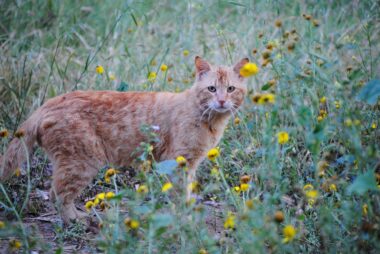
Some remarkable stories emphasize the dramatic transformations seen in cats that have been returned to the wild after rehabilitation. One such cat, named Shadow, was rescued from a congested urban area, where she was underfed and vulnerable. Once she underwent rehabilitation, her transformation was nothing short of miraculous. She regained her strength and learned essential skills, such as climbing and stealth hunting. After spending several months in a rehabilitation facility, Shadow was ready to face the world alone. She was released into a wooded area rich in prey and protected from human interference. Upon her release, Shadow not only flourished but also birthed a litter of kittens, ensuring the continuation of her lineage in the wild. Shadow’s story exemplifies the critical importance of returning cats to their natural habitat while enabling wild populations to thrive. Additionally, her journey inspires both volunteers and communities to appreciate the strength and adaptability of these animals. More success stories like Shadow’s can improve public perception about feral cats and help create better policies for their management.
The Rehabilitation Process: Steps to Freedom
The journey to freedom for rescued cats begins well before they are released back into the wild. Each cat’s situation is unique, demanding an individualized rehabilitation plan tailored to its specific needs. A crucial first step is to assess the cat’s health, which includes vaccinations, spay/neuter procedures, and treatment for any injuries or illness. Once the cat is medically cleared, the focus shifts to behavioral training. Feral cats must learn to navigate their surroundings accurately and remember crucial skills, such as hunting. Caregivers often create structured environments mimicking natural habitats, fostering adaptability. The essential aspect includes socializing previously domesticated cats, ensuring they can adjust to life without human aid. During this time, wildlife experts monitor their progress, providing feedback to optimize training. Once a cat demonstrates readiness, signs such as hunting behavior and reduced contact with humans indicate it can thrive in nature. After achieving these milestones, a careful release strategy is devised. This comprehensive rehabilitation process emphasizes careful planning and monitoring to ensure the long-term survival of these remarkable animals.
One might wonder how communities can play a significant role in the rehabilitation and eventual release of rescued cats. Community involvement is instrumental in creating awareness about the benefits of feline rehabilitation. Programs aimed at educating the local population on the difference between feral and stray cats can shift perceptions. By understanding that feral cats are better suited for life outdoors, residents can support initiatives such as Trap-Neuter-Return (TNR). TNR programs effectively reduce the overall feral cat population while ensuring that existing cats live healthier lives. Volunteers in these programs become key players in fostering care for stray and feral populations. Additionally, communities can work with local shelters to fund and promote rehabilitation programs. Fundraising events and donations increase resources for rehabilitation, ensuring that more cats receive the support they need. Furthermore, fostering relationships between community members and local shelters leads to collaborative efforts for successful cat management. Through education and active participation, communities can significantly contribute to the successful rehabilitation of rescues, leading to a more profound respect for wildlife.
Challenges Cats Face in the Wild
Despite the incredible stories of cats thriving after release, challenges in the wild remain significant. Once returned to nature, these cats must contend with predation, competition for resources, and harsh environmental conditions. Predation by larger animals such as coyotes and birds of prey can pose immediate threats. Additionally, cats must establish their territories where food, water, and shelter are available. This competition can force them into risky situations as they endeavor to claim their rightful place in a delicate ecosystem. Other adverse weather conditions, including extreme temperatures or storms, can also impact the cats’ survival. The struggle for food can lead to malnutrition if prey is scarce or if a cat lacks proper hunting skills. Initiatives aimed at maintaining stable ecosystems play an essential role in supporting these cats. Conservation efforts must prioritize preserving the habitats that function as homes for these wild felines. By creating protected areas and promoting sustainable practices, the chances of survival for released cats can be significantly improved.
Another critical aspect in the success of feral cats returned to the wild is the vital role of ongoing support from wildlife organizations. These organizations often offer post-release monitoring, ensuring that the cats are adapting well to their new environments. Tracking their movements and behaviors provides valuable data for understanding how released cats integrate back into wild populations. Wildlife experts utilize radio collars and cameras to gather insights on hunting success, territory establishment, and interactions with other wildlife. Data analysis from these observations helps in refining rehabilitation strategies for future endeavors. Organizations constantly strive to create a better understanding of what makes transitions successful for different cat populations. The information collected contributes to the broader studies of wildlife conservation and ecosystem health. Providing this level of support strengthens the impact of cat rehabilitation programs. Additionally, continuous collaboration between organizations, local communities, and volunteers ensures a holistic approach to rehabilitation efforts. By combining resources and knowledge, these initiatives further the success of rehabilitated cats and increase awareness regarding their well-being.
Inspiring Future Generations
As more incredible stories of cats returning to the wild circulate, they inspire people everywhere to contribute to feline conservation. Young minds, intrigued by these tales, often become passionate advocates for animal welfare, setting a foundation for the future. Educational programs can implement these stories, presenting real-life situations to engage students in learning about wildlife rehabilitation. Through interactive activities, they can join in on community outreach programs and volunteer efforts, strengthening their connection to animals. Such experiences foster empathy and compassion, allowing them to understand the importance of protecting wildlife. Additionally, organizations can establish partnerships with schools, creating platforms for youth involvement and resource sharing. Periodic workshops or presentations on cat rescue initiatives can bring awareness to the issues faced by feral cats. By educating younger generations about the significance of rehabilitation, awareness is raised about preserving wildlife. Inspiring these future activists ensures a continuous cycle of care and compassion, as they take their knowledge beyond their communities. Involving youths in these initiatives can help create lasting changes in attitudes towards wildlife, enriching communities and contributing to a brighter future.
Numerous success stories and the momentum generated by cat rescue programs give hope for a thriving future for feral cats. Education, collaboration, and effective intervention strategies create pathways for cats returning to the wild. As we strive to improve their lives through rehabilitation, we must remember the unique ecosystem roles these animals play. Communities that engage in these efforts witness firsthand the beauty that emerges when cats reclaim their ancestral homes. Moreover, the wide-reaching benefits extend beyond individual cats; they foster healthier ecosystems, contributing to biodiversity. Building awareness and appreciation for feral cats can lead to better policies, ongoing support, and ultimately, success stories. The tales of Shadow and countless others are not merely about individual triumphs; they reflect the dedication of individuals committed to conservation. These journeys remind us of our responsibility to protect wildlife and enhance their habitats. With each released cat comes the potential for change in behavior towards feral populations. Through continued advocacy and support, we can ensure that feral cats are celebrated protectors of our ecosystems, creating a legacy of hope for future generations.