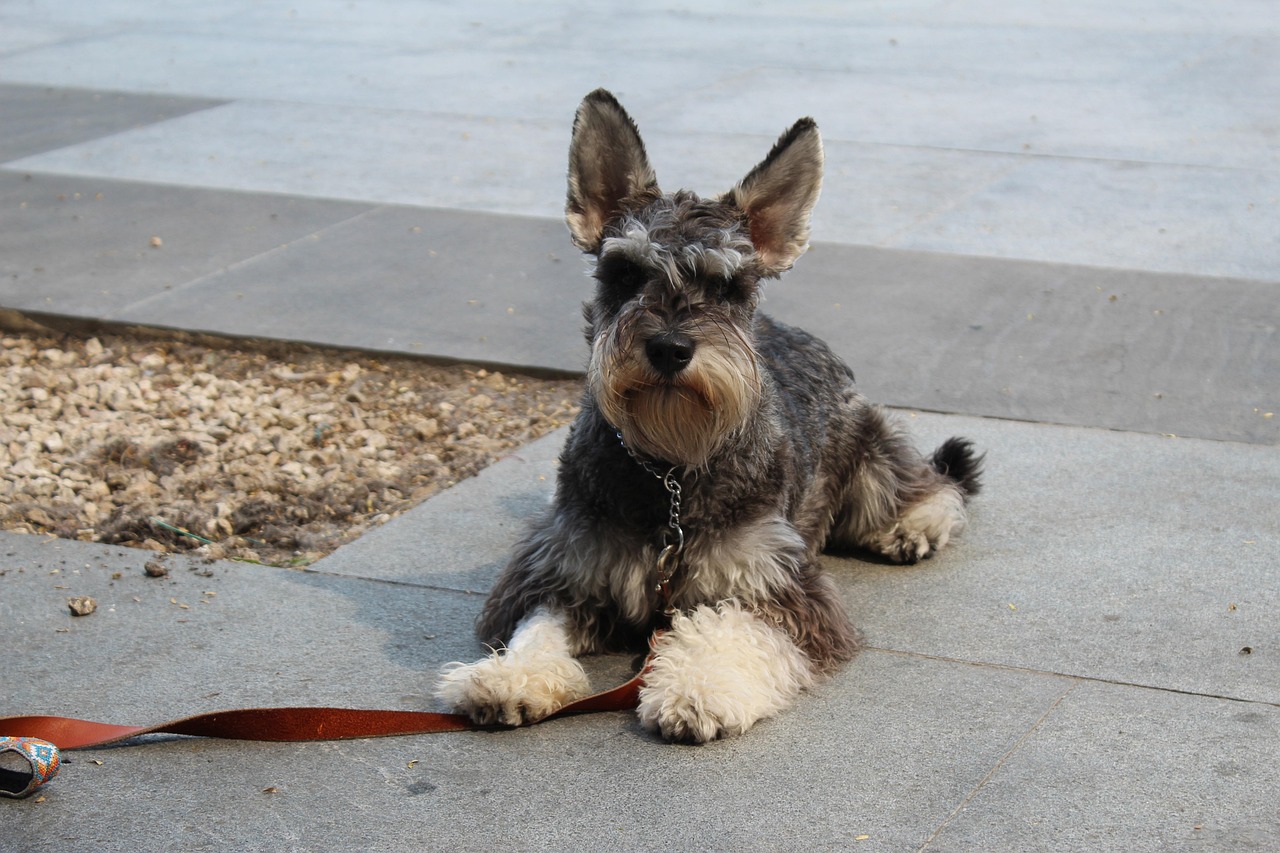

Common Mistakes When Training the ‘Watch Me’ Command and How to Avoid Them
When you’re teaching your dog the “Watch Me” command, it’s crucial to stay patient and consistent. Many owners make the mistake of rushing through the training process, expecting immediate results. Dogs respond best when they are calm and focused. Start with shorter sessions, gradually increasing the length as your dog becomes more engaged. Repetition is key; if your dog is not responding, reassess the environment for distractions that may be affecting their focus. Find a quiet space where your dog can concentrate. Additionally, using a high-value treat can increase the likelihood of compliance. Reward your canine promptly to reinforce the behavior and ensure understanding. If your dog seems uninterested, reevaluate the reward system. Lastly, don’t forget to make the training fun! Dogs learn effectively when they enjoy the process. Vary your training exercises and try new locations to keep things exciting. Finally, be sure to track progress over time, which can give you a better perspective on what techniques work best for your furry friend and enhance your confidence. Patience and positive reinforcement will yield the best results when mastering this command.
The first common mistake owners make when teaching the “Watch Me” command is inconsistency in commands and rewards. Inconsistent communication can confuse dogs, hindering their ability to understand what is expected of them. It’s critical to use the same word, tone, and non-verbal cues throughout the training process. If you alternate between different commands or hushed tones, your dog won’t reliably recognize what you want. A minor adjustment in command delivery leads to major challenges in the learning process. Therefore, create a clear training structure. Maintain a consistent reward system, whether using treats or praises. If one day treats are given for the command, then the next day they’re not, it sends the wrong message. Dogs thrive in environments with clear expectations. Additionally, stick to a schedule to help your dog associate specific times with training sessions. This structured approach ensures that the dog learns effectively and quickly. Also, consider your dog’s learning phase. Gradually introduce distractions once they reliably respond to the command in a controlled environment. Celebrate small wins, enhancing motivation while building a strong bond during training. Consistency is essential for success in mastering this essential command.
Ignoring the Environment
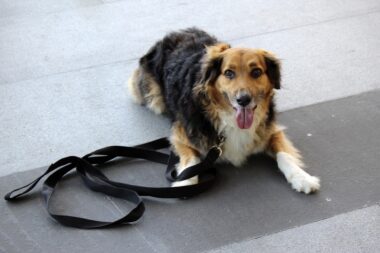
Another frequent mistake involves neglecting environmental factors, which can be detrimental to training success. If your dog is regularly training in busy, distracting environments, they may struggle to focus during lessons. Instead of practicing commands amidst distractions, start training in calmer settings. Gradually introduce distractions as your dog becomes comfortable with the “Watch Me” command. The more controlled the environment, the easier it is for dogs to absorb their training. Remember, their short attention span means smaller increments works best. Assess the conditions before training, ensuring your dog is set up for success. Additionally, tailor your execution according to their energy levels; a hyper dog might require ample exercise before training. Incorporating tools like training leashes can help you maintain control during distractions while practicing. Keep training sessions brief and engaging, involving playtime or breaks when necessary, to avoid mental fatigue. Furthermore, actively aware of surroundings not only supports training efforts but is also safer for both the dog and trainer. Ultimately, a suitable environment allows your dog to concentrate better and gains confidence as they learn how to respond to commands effectively.
Another mistake relates to over-reliance on treats. While using high-value snacks serves as an effective motivational tool during training, overusing treats can lead to difficulties in the long run. If your dog becomes solely dependent on food rewards, they may not follow commands when treats are absent. Early on, using treats for positive reinforcement is crucial; however, once the dog knows the command, it’s better to gradually phase them out. Begin integrating verbal praise or physical affection, rewarding your dog with these methods instead of food. Transitioning away from treats also helps gauge whether your dog truly understands the command. If they comply without a treat in sight, that’s a sign of success. Consider establishing a variable reinforcement schedule, where you randomly reward your dog with treats or praise, sustaining their attention over time. Also, keep training sessions enjoyable, ensuring your dog does not end up relying on a single motivator. This balanced, well-rounded approach to rewards ultimately fosters a stronger bond between you and your dog, making the learning process smoother and ensuring they recognize the value of the “Watch Me” command, independent of paralleled incentives.
Failure to Monitor Progress
Monitoring your dog’s progress is crucial, and failing to do so can derail training efforts. Owners may skip tracking accomplishments, assuming their dog will automatically master the “Watch Me” command. However, without observing their performance, it is difficult to identify areas for improvement. A simple notebook or app can help you log each training session, noting successes and setbacks. Logging each interaction guides you toward better training. You can adjust your approach based on observed responses. It permits you to identify which elements resonate with your dog, enhancing training techniques. Consistent progress assessments also improve your dog’s confidence, as they recognize how much they learn. Additionally, video recording training sessions may yield incredible insights; reviewing this footage can highlight patterns you might otherwise overlook. Celebrate each aspect of progress, as it reinforces positive behavior and boosts motivation. Regularly revisiting prior exercises solidifies the command’s foundation and enables the dog to build upon previously acquired skills. This cyclical approach to reinforcement fosters growth and learning while strengthening the bond you share during training. Ultimately, tracking your dog’s training will lead to more effective lessons.
Lastly, one must consider the necessity of socialization with different people, pets, and environments. Lack of social exposure may lead to anxiety or poor responses during training sessions. Socialization plays a significant role in ensuring a well-rounded dog that can focus amid distractions. Ensure to introduce your dog to various settings so they feel comfortable in numerous scenarios. By engaging with diverse people or animals, you’ll observe how different situations influence their training ability. Interactions with new peers also create a relaxed attitude, supporting your training goals. Consider integrating social experiences into training sessions; for instance, invite friends over to enrich training with interactions. Compose scenarios where your dog practices the “Watch Me” command while amidst friendly distractions, such as the presence of other dogs or people. This exposure makes your dog more adept at handling real-world distractions, reinforcing learning. Additionally, be mindful of your dog’s temperament. Tailor your socialization efforts according to their comfort level; never force interactions if they seem overwhelmingly stressed. A gradual approach fosters improvement while ensuring positive experiences together, which ultimately enhances their ability to focus on commands in social and distracting settings.
Conclusion
In conclusion, mastering the “Watch Me” command requires careful attention to potential mistakes and proactive strategies to avoid them. Owners often rush or mix commands, leading to confusion and unreliable responses. Maintain consistency, reinforce learning, and gradually elevate challenge levels. Also, be cognizant of the environment; minimizing distractions allows for more comprehensive understanding and focus. Treat reliance must be balanced with varying recognition to foster more extended performance, while regular progress assessment is essential. Keep communication open with your dog, and build trust through positivity in training sessions. Socialization provides critical exposure to new environments and situations, helping your dog cope with distractions effectively. Engage with a structured plan while remaining adaptable to your dog’s individual needs. Ultimately, through consistency, understanding, and proper motivation, the “Watch Me” command will become a reliable tool in your dog’s behavioral repertoire, enhancing communication. Remember to celebrate progress along the journey as it solidifies not just the skills of your dog, but also the bond you share as you navigate training successfully together. Through dedication and patience, you will see remarkable improvements in behavior and responsiveness.