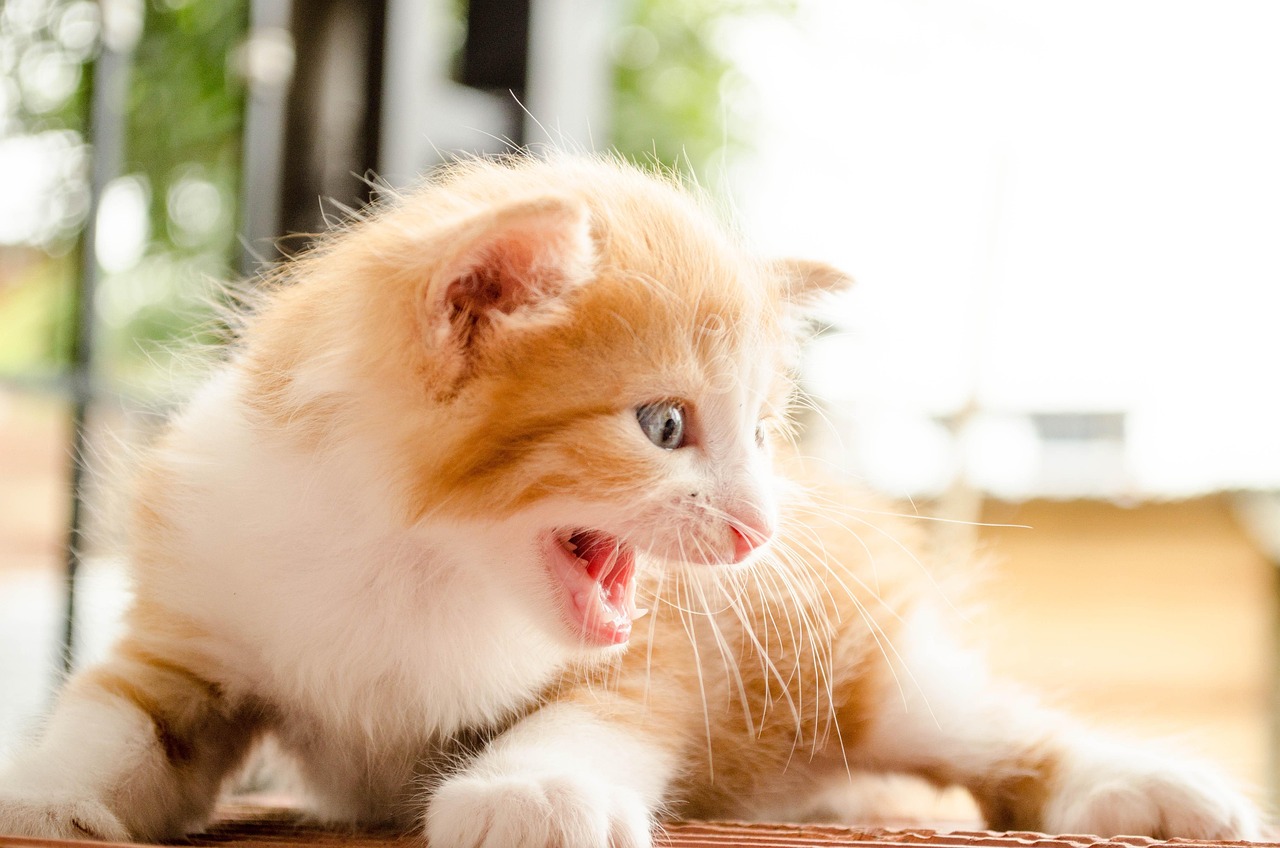

Common Myths About Aggressive Cats Debunked
Understanding cat behavior is vital for ensuring a harmonious home environment. One common myth resides in the assumption that aggressive cats are simply bad pets. This misconception ignores underlying issues that may cause this behavior. Various factors could lead to aggression in cats, such as fear, anxiety, or pain. Insufficient socialization during early development may also contribute to an aggressive demeanor later in life. This isn’t a personality flaw but rather a response to external stimuli. The importance of addressing these factors lies in improving the cat’s quality of life and promoting safety in the household. When faced with an aggressive cat, it’s essential to consider their past experiences and emotional state. By educating ourselves, we can better comprehend and manage these complex behaviors. One effective method to help is the use of gentle training techniques, ensuring a nurturing approach that fosters trust between owner and pet. Furthermore, recognizing the need for space during aggressive bouts is crucial in preventing escalation. Seeking professional advice when necessary can also prevent misunderstandings and help create a peaceful home for both cats and people.
The idea that all aggressive cats must be punished is another damaging myth. In reality, punishment can often exacerbate aggressive behaviors rather than ameliorate them. Cats typically respond poorly to negative reinforcement, equating punishment with fear rather than correction. This reaction can lead to further anxiety and a deeper sense of distrust towards their owners. Instead of punishment, positive reinforcement strategies should be employed. Utilizing rewards for calm behavior encourages cats to feel more secure and less threatened. Training sessions should incorporate plenty of patience, ensuring minimal stress. Observing a cat’s body language offers clues to their emotional state and potential triggers for aggression. For instance, a swishing tail or ears flattened back signify discomfort. Creating a serene environment can significantly affect a cat’s behavior positively. Moreover, providing outlets for natural instincts like scratching and hunting can reduce tensions. Engaging with interactive toys can offer stimulation and satisfaction. On occasion, it may help to establish ‘safe zones’ where cats can retreat if feeling overwhelmed. By prioritizing social and environmental needs, owners can cultivate a more peaceful coexistence with their feline companions.
Understanding the Role of Genetics
Another prevalent myth suggests that aggression is solely a learned behavior. While experience does shape a cat’s temperament, genetics also plays a crucial role in how cats respond to stressors. Certain breeds possess predispositions that may influence their behavior patterns. For example, some breeds, such as Abyssinians, can be more active and curious than others, possibly leading to heightened vigilant responses. The breeding history of a cat may also shed light on temperament traits, as less socially equipped lineages may struggle with aggression compared to more balanced ones. Thus, understanding a cat’s genetic background can provide insight into their behavioral tendencies. Socialization experiences during their early months are vital and can counteract some inherited traits. Owners are encouraged to seek out reputable breeders who comprehensively understand their feline lines and can offer guidance on characteristics expectable in offspring. Furthermore, early exposure to various social situations can encourage healthy emotional development. Mitigating the effects of genetics through supportive training and environmental modifications can empower owners to foster positive behaviors in their cats.
Behavioural misunderstandings often extend into a misconception that only indoor cats can exhibit aggression. Contrary to this belief, outdoor cats can experience aggression linked to environmental stressors. Territorial disputes among cats are commonplace, especially in areas where multiple felines cohabitate. Serious considerations about a cat’s environment should be made, whether the cat resides solely indoors or outdoors. To reduce aggression, ensuring proper territory and resources — like food, toys, and resting spots — becomes essential. Inside the home, vertical spaces such as shelves or cat trees can serve as territories and minimize conflicts. These safe elevations can allow cats to observe their surroundings without feeling threatened. It’s vital for pet owners to make their living spaces as enriching as possible, thus reducing potential dissatisfaction that leads to aggression. Providing multiple resources encourages aplenty and reduces tension. Crafting outdoor enclosures can serve hybrid lifestyles for cats who enjoy safer outdoor environments. Felines tend to be sensitive beings who need consideration for their environment regarding aggressive behaviors. Proper understanding and management of these variables can lead to happier felines.
Environmental Enrichment is Key
One significant myth relating to aggressive cat behavior is that aggression cannot be mitigated. This is entirely untrue as various techniques can significantly manage and improve a cat’s behavior. The primary focus lies in nurturing a cat’s environment. By providing positive stimuli and avoiding negative reinforcement, cats can learn alternative methods to express frustration or anxiety. Engaging in play or training can offer emotional fulfilment while reducing stress levels. Behavioral modification programs target underlying behavior challenges effectively. Implementing consistent routines brings stability, comforting an anxious cat. Transitioning aggression into playfulness also fosters trust between the owner and cat. Additionally, safe spaces enable felines to retreat and recover from overwhelming stimuli, offering them the control they need. It is fundamentally important to observe the cat and identify triggers to create meaningful changes. Affectionate interactions—without forcing contact—will foster connections and diminish fear-related aggression. Consultation with a veterinary professional becomes significantly beneficial if the aggression stems from underlying health problems. Understanding that aggression can frequently be managed opens new avenues for addressing behavioral issues beneficially and compassionately for all involved.
Another misleading notion is that spaying or neutering will resolve aggressive behavior completely. Although these procedures often reduce certain aggressive tendencies associated with mating behaviors, they do not eliminate aggression rooted in fear or anxiety. Many aggressive cats may misbehave regardless of their neuter or spay status. It’s valuable for owners to manage expectations and understand that additional interventions may be needed. Aggressive behaviors rooted in stressors, such as environmental factors or previous trauma, might still persist even after surgery. Educating owners on behavioural training methods post-surgery becomes essential. Movement and establishing routines can assist cats in re-assessing their environments. Owners should learn to recognize non-aggressive communication signs, nurturing their cat’s confidence through gentle interactions. Consistency remains vital in responding to aggressive behaviors to prevent confusion. Moreover, addressing health issues that might contribute to aggressive actions can significantly improve a cat’s behaviour after surgery. Regular wellness checkups with vet staff ensure holistic wellbeing. Ultimately, combining medical interventions with behavioural training tends to be the most effective approach for helping cats overcome aggression.
Conclusion: Moving Beyond Myths
Dispelling myths about aggressive cats creates pathways for better understanding and treatment, which contribute to a healthier human-feline relationship. Unraveling the confusion surrounding aggression encourages thoughtful approaches to managing these behaviors. Cat owners must acknowledge that aggression reflects deeper issues rather than the cat’s identity, promoting empathy and understanding. Healthy interactions enhance trust, fostering environments that prevent aggression from escalating. Prioritizing training and providing enriching experiences are vital in helping cats reclaim comfort in their environments. The ideal resolution lies in recognizing that aggression can often stem from anxiety, past traumas, or environmental challenges. Education is crucial — understanding triggers and body language equips owners to respond effectively. This shifts the narrative and enlightens owners regarding their pet’s needs. By creating supportive spaces and approaching cat behavior with patience, owners can facilitate significant behavior improvements. Strengthening the owner-feline bond enhances the emotional wellbeing for both parties. In conclusion, referencing behavior as adjustable rather than static empowers owners to take proactive measures that ultimately contribute to a relaxed and happy household for everyone involved.
Overall, engaging in this knowledge allows for constructive dialogues surrounding cat care. Collaboration with veterinarians, trainers, and behaviorists lends credence to discussions about managing aggressive behavior as well. Seeking help when needed gives owners the tools to tackle behavior-related challenges more effectively. Each cat presents unique needs, ensuring personalized strategies for training are developed according to their temperament. The importance of patience and understanding is critical when considering behaviors; owners have to recognize that change doesn’t occur overnight. Awareness leads to the progressive rapport needed for trust and expanded interactions. As a community, fostering compassion towards all felines builds a more harmonious environment among cats and their human companions. Ultimately, addressing myths surrounding aggression creates a more knowledgeable pet owner base, poised to support their cats through troubling moments towards healing and better adaptations. Therefore, dispelling these myths brings about an improved perspective for cat owners, radically changing assumptions about feline aggression. The anticipated outcome optimistically allows for enriched lives and better emotional states for our feline friends.