
Differences Between Russian Blue Cats and Other Blue Breeds
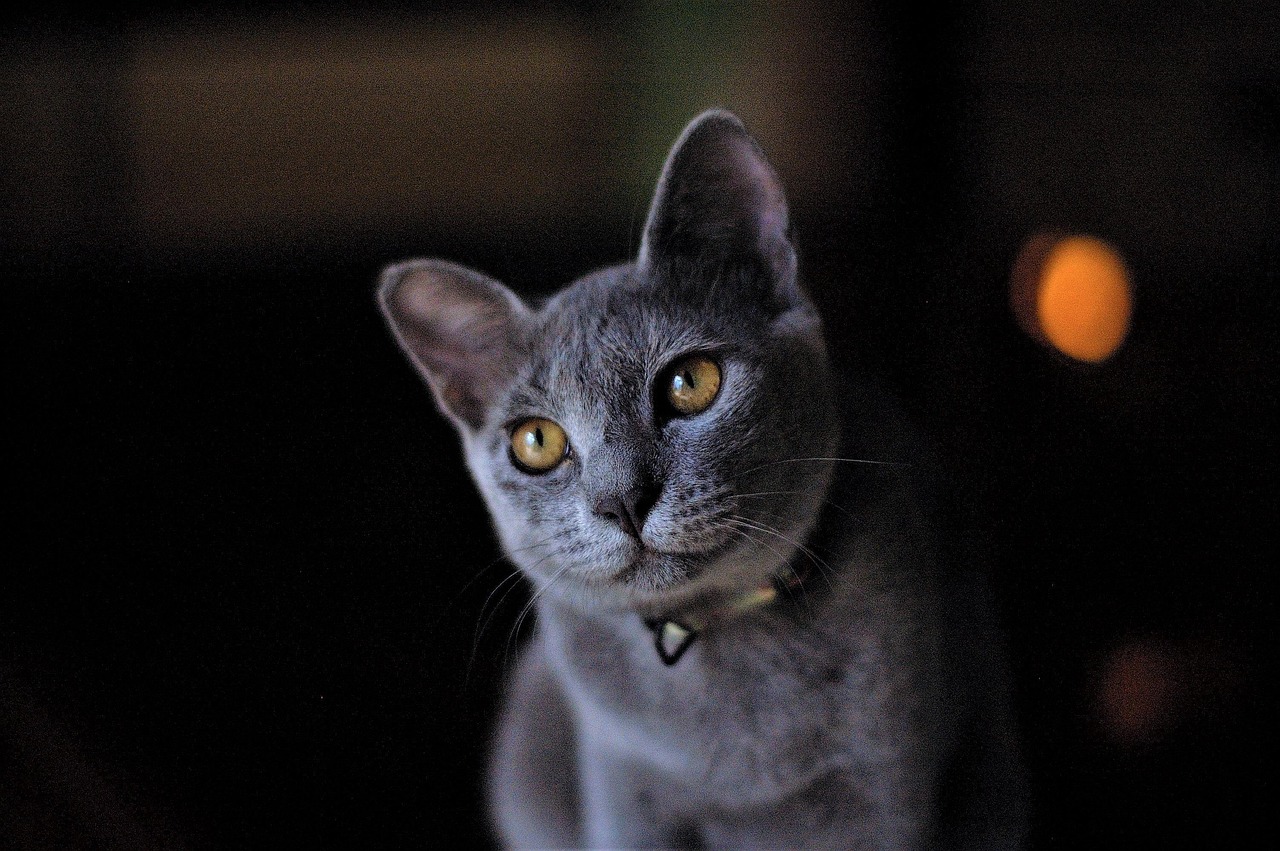
When discussing cat breeds, the Russian Blue stands out for several reasons, particularly its unique characteristics that differentiate it from other blue-furred breeds. The Russian Blue features a striking coat, distinguished by its silvery-blue hue that appears almost iridescent under light. This coloration results from a genetic mutation that provides a unique shade compared to other blue breeds like the British Shorthair and Chartreux. Notably, the coat of a Russian Blue is soft and dense, providing an impeccable sheen along with a plush, velvety touch. In contrast, while British Shorthairs also exhibit a blue coat, their fur tends to be thicker and less plush than that of a Russian Blue. The temperament of Russian Blues contributes significantly to their popularity; they are known to be gentle, affectionate, and loyal companions, unlike some other blue breeds which may be standoffish or independent. Overall, the combination of stunning aesthetics and an amiable personality makes the Russian Blue truly distinctive among feline breeds.
Russian Blues possess a distinct personality compared to other blue breeds, further setting them apart in the cat world. Characteristically, they exhibit a reserved yet affectionate temperament, making them excellent companions. Unlike the British Shorthair, which can be more laid-back and independent, the Russian Blue tends to form close bonds with their owners. Their gentle demeanor allows them to thrive in various households, including those with children or other pets. These feline companions are known for their playfulness and curiosity, often displaying engaging behaviors that entertain their families. Moreover, the Russian Blue showcases intelligence through their ease of training and understanding commands. In contrast, some other blue breeds may not display the same level of eagerness to please, leading to a different interactive experience with their owners. This intelligence allows Russian Blues to adapt to family dynamics seamlessly, helping to create a cohesive environment. Their soft, sweet purring also adds to their charm, making them a comforting presence within homes.
Health and Lifespan Considerations
When comparing Russian Blues with other blue breeds, health and lifespan often emerge as critical factors. Russian Blues are renowned for their robust health, possessing a strong genetic background that contributes to a longer lifespan compared to many breeds. Typically, a healthy Russian Blue can live between 15 to 20 years, which is an impressive range in the feline world. This longevity is partly due to their resilient immune systems and the minimal genetic predispositions to certain health issues. On the other hand, breeds like the British Shorthair can be more prone to health complications, including obesity and heart problems, which may result in a shorter average lifespan. Regular veterinary care and appropriate diet management become essential to ensuring any breed remains healthy, but it is particularly critical for the British Shorthair. Therefore, prospective pet owners should consider not just the aesthetic aspects of a breed but also health factors that can influence companionship quality. Such considerations play a vital role in ensuring that a cat can enjoy a long and fulfilling life.
The grooming requirements of Russian Blue cats also differ significantly from other blue breeds. The dense, double-layered coat of a Russian Blue requires regular grooming to maintain its luster and health, although it is considered relatively low-maintenance. Weekly brushing can help minimize shedding and prevent matting, while maintaining the coat’s luxurious appearance. In contrast, breeds like the Chartreux often require more frequent grooming due to their shorter fur, which can be prone to tangling. Furthermore, the grooming process tends to be less involved for Chartreux cats, which may appeal to owners seeking a less demanding grooming routine. However, Russian Blues benefit from this grooming as it strengthens the bond between cat and owner resulting in additional affection and trust. Bathing is only necessary occasionally, making them convenient for busy pet owners. In sum, while both Russian Blues and other blue breeds do require grooming, the commitment level may vary, influencing the choice of a breed for prospective cat owners.
Intelligence and Trainability
When evaluating the trainability and intelligence of Russian Blue cats against other blue breeds, a clear distinction arises. Russian Blues are not only intelligent cats but also eager learners, showcasing an ability to quickly pick up on new skills and commands. Their intelligence enables them to engage in interactive play, solving puzzles, and even learning tricks. In contrast, while breeds like the British Shorthair may also be intelligent, they often prioritize independence, which can make training less intuitive for some cat owners. Consequently, Russian Blues tend to thrive in environments where they can engage in mentally stimulating activities. Their playful nature reflects a desire for companionship and interaction, further highlighting their intelligence. Understanding each breed’s unique temperament is key to successful training with positive reinforcement. For instance, consistently rewarding desired behaviors leads to quicker learning experiences. Therefore, for those seeking a highly trainable and intelligent feline companion, Russian Blues stand out distinctly among blue breeds, offering endless opportunities for engaging learning experiences.
The socialization aspects of the Russian Blue breed reveal even more contrasts when compared to other blue breeds. Russian Blues are known for their shy nature towards unfamiliar situations or people but gradually warm up, showcasing their affectionate side. This characteristic necessitates gradual introductions to new environments and individuals to ensure their comfort. Such a shyness may differ from other breeds like the British Shorthair, which can adapt more easily to new people, often displaying confidence in varied social settings. Russian Blues tend to form deep attachments to their families, leading to a desire to be near their loved ones. Owners may find that these cats follow them around the house, showcasing their loyalty and affection. On the contrary, other blue breeds may exhibit a more laid-back attitude, opting for solitary time. This loyalty can lead to rewarding relationships, provided owners respect their need for appropriate social engagement. Being mindful of the Russian Blue’s socialization needs can significantly enhance the bond between the cat and owner, providing comfort through mutual love.
Final Thoughts on Russian Blues
Ultimately, the distinctions between Russian Blue cats and other blue breeds are noteworthy and emphasize the unique appeal of the Russian Blue. From their stunning, vibrant coat to their captivating personalities, Russian Blues offer a compelling combination for pet lovers. Health and lifespan also play a crucial role, with Russian Blues typically exhibiting longevity due to their sturdy health profile. Their grooming requirements are manageable and their intelligence facilitates training, making them excellent companions for families or individuals. The social aspect of their nature adds to their desirability, as they form strong bonds with their humans, providing a loving and devoted partnership. While other blue breeds, like the British Shorthair or Chartreux, have their own unique qualities, the Russian Blue’s charm consistently draws attention from feline enthusiasts. Prospective cat owners should carefully consider their lifestyles and preferences when selecting a breed, encompassing everything from grooming needs to emotional connection. In conclusion, the Russian Blue holds a distinctive place among blue breeds, resonating with those who desire an affectionate and intelligent feline companion.