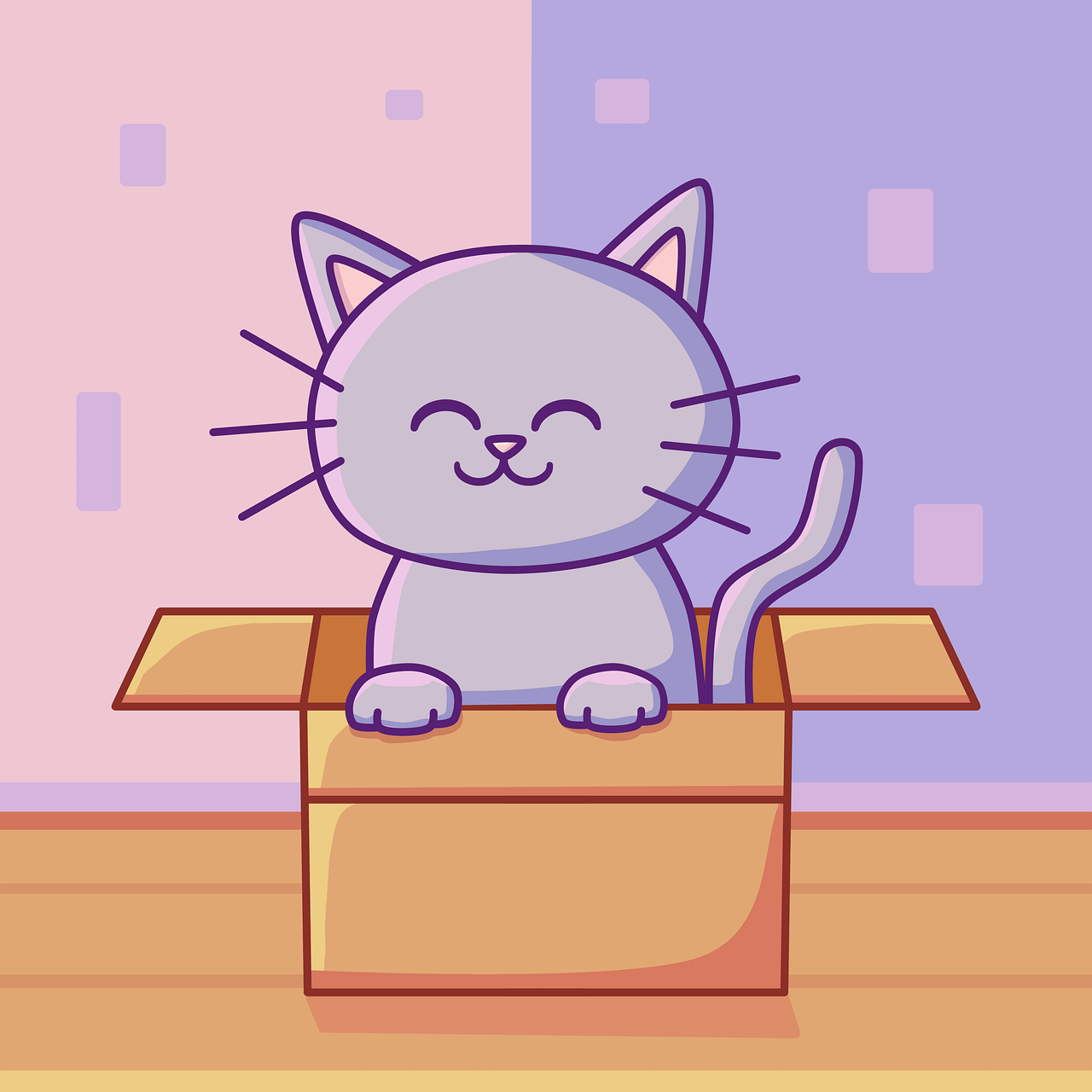

Do All Cats Love Boxes? Exploring Individual Preferences
Cats are notoriously known for their peculiar love of boxes, often found squeezing into any container they can find. But why do these furry companions gravitate towards cardboard and other hiding spaces? This behavior stems from their natural instincts; cats are both predator and prey. Boxes offer them a sense of security, a place to hide, stalk, or observe their surroundings. The enclosed space of a box provides warmth and a sense of protection, allowing them to feel safe. Furthermore, boxes can serve as a playground; many cats will delight in jumping in and out of them, engaging their natural hunting instincts while having fun. This fascination isn’t universal, as it varies among individual cats based on their personality, breed, and past experiences. Some may ignore boxes completely, whereas others become enamored with them. Understanding these preferences helps build a bond with your pet and encourages a stimulating environment. Providing different options, such as various sizes and shapes of boxes, can give insight into your cat’s unique likes and dislikes. Observing how your cat interacts can reveal much about their character and behavior.
Socialization and early experiences can influence whether a cat enjoys playing with boxes or not. Kittens born and raised in enriched environments often explore various textures and shapes, leading to an inherent curiosity towards several toys, including boxes. Conversely, those lacking such interactions might display indifference towards conventional play objects. Social interactions with the mother cat or littermates also significantly shape behavior, as they learn playful and hunting behaviors that could foster an attraction to boxes. Moreover, environmental factors play a crucial role; a busy or chaotic home may deter a cat from engaging with boxes, opting instead for more tranquil hiding spots. To entice a hesitant cat, introducing enticing elements, like treats or familiar scents, can help encourage exploration. Owners can also build a positive association by placing the box near their regular lounging or resting areas. Incorporating boxes into their playtime can enhance the fun; whether through hiding, chasing, or observing, cats may engage in instinctual behaviors that foster excitement and curiosity. Ultimately, each feline has distinct preferences based on numerous environmental and social factors.
The Benefits of Boxes for Cats
Boxes not only serve as a source of entertainment but also provide numerous psychological and physical benefits for cats. They help create a secure environment, which is crucial for reducing anxiety levels in felines, especially in multi-pet households. Boxes offer a private retreat where cats can relax away from potential disturbances. Mental stimulation is another major benefit; the act of entering, exploring, and playing in a box can provide endless opportunities for engagement. As cats carefully evaluate their surroundings and navigate through the box’s confines, they satisfy their natural curiosity and instinct to explore. Furthermore, boxes can help mitigate potential behavioral problems. An under-stimulated cat may resort to undesirable behaviors, such as scratching or excessive vocalization, to express frustration. Providing access to boxes can alleviate this boredom, redirecting energy into something constructive and enjoyable. It’s also worth noting that some cats enjoy using boxes as vantage points to survey their domain—this adds to their sense of security while satisfying their innate instincts. Thus, boxes are not merely trivial items; they offer vital benefits that enhance a cat’s quality of life.
While many cats possess a fondness for boxes, not all felines show an equal level of interest. Factors such as individual personality traits play a significant role in determining a cat’s feelings towards boxes. For example, some cats that are more adventurous or playful might find joy in exploring all available boxes, while others may prefer calming, quiet spots for naps. Additionally, certain breeds, like Abyssinians or Bengals, are often characterized by their high energy levels and playful demeanor, which could lead them to be more inclined to explore boxes. On the other hand, breeds like Persians or Ragdolls may display a more relaxed attitude towards playthings, exhibiting indifference towards boxes. It’s essential for cat owners to learn about their specific cat’s personality and preferences. Providing various box options caters to different inclinations, as some cats may prefer larger or more luxurious boxes, while others might find joy in simple packing containers. Experimenting with distinct styles and sizes can help decipher what truly appeals to your feline friend, allowing for personalization of their environment.
Customizing Boxes to Suit Cat Preferences
Another way to enhance your cat’s box experience is by customizing their play area. Adding soft bedding, toys, or even leaving a treat hidden inside can create a delightful discovery for your feline. Personalizing the box with familiar scents, such as an old t-shirt or blanket, can encourage exploration and interest. The introduction of interactive elements, like dangling strings or peek-a-boo openings, can transform a simple box into a stimulating playground. Cats are natural problem solvers and enjoy the challenge of discovering hidden objects or navigating through obstacles. Various designs and styles can be adopted, appealing to a cat’s playful instincts while considering the safety of the materials used. For instance, ensure that any box corners are smooth and that everything is free of harmful substances. A multi-level box or one with windows may attract some cats more than others, offering diverse engagement opportunities. Such tailor-made creations facilitate a multi-sensory experience where cats can scratch, explore, or take cozy naps. Ultimately, thoughtful customization can enrich the box experience, encouraging play and exploration.
Cats also have individual preferences regarding the types of boxes they find appealing. Some may prefer smaller, enclosed spaces, while others might enjoy spacious boxes that allow for full exploration. Observing a cat’s behavior around different boxes can provide insight into their preferences. Cats may gravitate toward flatter boxes for lounging yet explore deeper boxes for potential hide-and-seek play. Cardboard is typically a favorite among many felines, but some cats might delight in the texture or smell of different materials, such as wooden or fabric boxes. Furthermore, integrating boxes with other play elements, like tunnels or crumpled paper, could engage a kitty even more, piquing their curiosity. Testing various options allows owners to discover a cat’s preferences through trial and error. Experimenting with both size and shape enhances playtime, like leaving a box open or partially collapsed, leading to unique interaction opportunities. The unique nuances of each cat’s preferences illustrate the diversity within feline behavior. Understanding these preferences enriches the bond with your pet, fostering a stimulating environment.
Conclusion: Discovering Cats’ Unique Personalities
In conclusion, while many cats exhibit a significant interest in boxes, individual variation is essential in understanding your cat’s specific preferences. Identifying preferences can enhance the owner-cat relationship, as observing interactions allows for a deeper connection based on understanding. Providing different box styles and environments encourages exploration, creativity, and physical activity, enriching the overall experience. Moreover, recognizing the benefits these boxes offer can promote both mental and physical well-being, crucial for a happy feline. One must remember that cats, like humans, have distinct personalities and quirks; understanding these facets will lead to a fulfilling relationship. A cat that does not engage with boxes can still have fun in other ways. As pet owners, it’s important to recognize and appreciate their individual needs, ensuring adequate stimulation and comfort. Emphasizing personalization in their environment fosters exploration and joy, allowing cats to thrive at home. Through patience and attentiveness, owners can discover enriching activities that best suit their furry friends. Ultimately, boxes are but one element in the tapestry of cat behavior, illustrating their diverse personalities.