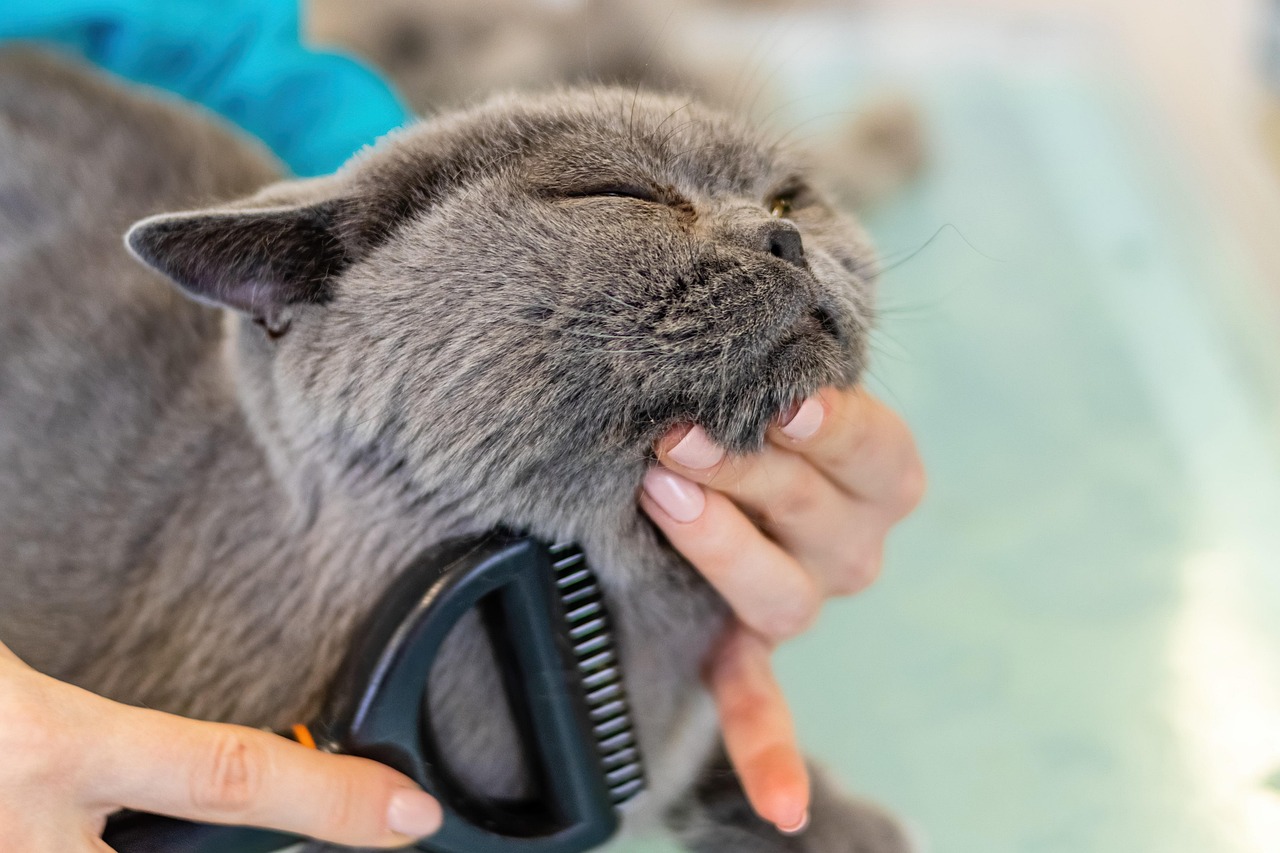

How Diet Can Affect Your Cat’s Grooming Habits
Understanding the relationship between diet and cat grooming is essential. Cats often groom to maintain their coat, but excessive grooming may indicate underlying health issues. Pet owners frequently overlook how a balanced diet can significantly influence grooming habits. A diet lacking essential nutrients can lead to skin problems and irritations, prompting cats to groom excessively. Ingredients in cat food vary widely, with significant impacts. Cats require protein-rich diets to maintain healthy skin and fur. Inadequate protein can weaken skin structure, prompting grooming behavior. Regularly inspecting the cat’s diet ensures they receive the right nutrients and prevents unnecessary grooming. Omega fatty acids are crucial for skin health; these can be found in fish oil or fortified cat food. Ensuring that your pet has adequate hydration is also important; dehydrated skin may lead to excessive grooming. Sometimes, changes in food can improve the condition of the cat’s skin and coat, thus reducing grooming tendencies. Pet owners should consider the importance of holistic, nutrient-dense diets before attributing behavior solely to stress or anxiety. Regular vet visits are also advised to monitor their overall health.
Some cats may exhibit excessive grooming due to dietary deficiencies, particularly when key nutrients are lacking. For example, a deficiency in vitamins A, B, and E can lead to health issues that result in increased grooming. Without these vitamins, your cat’s skin may become dry and flaky. This irritation could lead them to groom obsessively, trying to relieve discomfort. Pet owners should consult nutrition labels, ensuring that their cat’s food contains essential vitamins and minerals. Additionally, the quality of the protein and its source matter significantly too. Cats are obligate carnivores; thus, quality meat should be their primary ingredient for health. When cats ingest poor quality diets, they might not get the best nutrients out of their food, leading to dietary deficiencies. Selecting high-quality, premium brands that focus on whole ingredients can foster better skin health. This transition could help reduce excessive grooming behaviors in many cats. Along with dietary adjustments, it is wise to monitor a cat’s grooming habits closely for behavioral changes. Significant alterations may signal the need for a veterinary evaluation, as health conditions may require medical attention beyond dietary considerations.
The Role of Hydration
Hydration plays a significant role in maintaining a cat’s coat and skin health. Cats that consume dry food may not drink enough water to compensate for their dietary moisture needs. Insufficient hydration can lead to dry skin and excessive grooming behavior as your cat tries to relieve this discomfort. It’s essential to encourage proper water intake among felines to promote overall health. Owners can achieve this by providing fresh, clean water at all times, using fountains or interactive feeding stations that promote drinking. Some cats are naturally drawn to running water, increasing their daily intake. Incorporating wet food into their diet also contributes moisture and helps keep their skin healthy. The moisture content in wet food helps support hydration levels while providing essential nutrients. Making gradual changes to a cat’s diet can make the transition easier and more beneficial for their overall grooming habits. Providing multiple water sources throughout the home may encourage cats to drink more. Close monitoring of their grooming habits while adjusting diet and hydration could lead to noticeable improvements, reducing any excessive grooming tendencies.
Identifying the precise dietary elements affecting grooming behavior can be a challenge for pet owners. Each cat is unique and may respond differently to various foods, necessitating a personalized approach to their diet. Some cats might experience allergies to certain food ingredients, prompting them to groom excessively as a coping mechanism. Common culprits include grains, proteins, and artificial additives. Keeping a food diary can assist in recognizing patterns between diet and grooming habits. Tracking any changes when introducing new foods is crucial for understanding dietary impacts. Should excessive grooming persist despite dietary adjustments, consulting a veterinarian to explore allergies or skin conditions is wise. Investigating possible food allergies with the help of a vet can help pinpoint offending ingredients. This focused approach can reveal the core issues behind excessive grooming and improve overall health. Additionally, some specialized diets may benefit cats prone to grooming issues, providing them with essential nutrients while minimizing irritants. Experienced pet professionals can offer valuable insights into the management of grooming tendencies associated with diet. Their expertise equips pet owners with methods to ensure their pets thrive both physically and behaviorally.
Behavioral Factors
Behavioral aspects also intertwine with dietary choices regarding excessive grooming. Stress and anxiety can manifest through grooming, leading to fur loss and skin irritations. Turning to diet as a remedy, ensuring a balanced nutrient intake is essential. Moreover, nutritional imbalances may aggravate anxiety or stress levels in cats. Certain diets may encourage a calm demeanor, contributing positively to mental health. Supplements or additional omega fatty acids can also aid in promoting relaxation while maintaining skin health. Mental stimulation is another critical factor to factor in alongside diet; interactive toys, playtime, and environmental enrichment reduce stress and mitigate grooming tendencies. Engaging cats physically serves as a distraction, shifting focus away from incessant grooming. Incorporating a combination of diet, stimulation, and comfort can create a more favorable environment for your cat. Owners must observe their furry friends’ grooming habits, as changes may indicate stress levels or discomfort. Regularly engaging with your cat bonding through play or relaxation activities plays a vital role in their behavioral patterns. A focus on holistic well-being, including diet and mental health, is key to addressing excessive grooming effectively.
Integrating dietary improvements alongside behavioral observations aids in developing a comprehensive approach. Focus on providing the highest quality cat food available, using natural ingredients. Ensure that proteins are animal-based, minimizing by-products and fillers significantly. When looking at cat food, consider options that highlight the importance of omega fatty acids. These are particularly beneficial for skin and coat health, necessary for mitigating excessive grooming. Also, beneficial ingredients include probiotics, promoting gut health, which directly correlates to overall well-being. A strong microbiome supports the immune system and helps in minimizing stress-related grooming behaviors. Over time, the right dietary components can foster healthier skin, reducing the urge to groom excessively. Strive for variety in your pet’s diet, which not only enhances their nutritional intake but keeps them excited about their meals. Transition to new foods gradually, as sudden changes can lead to digestive distress. Consult with your vet about optimal diets and possible allergens specific to your cat. Creating a partnership with your veterinarian helps ensure your cat lives a fulfilling, healthy life. Keeping a proactive stance on their diet ultimately benefits them in numerous ways.
Conclusion
In summary, understanding the impacts of diet on your cat’s grooming habits is critical. To support skin health and mitigate excessive grooming, ensure a balanced diet incorporating essential nutrients like proteins and fatty acids. A well-hydrated cat is less likely to experience issues related to skin irritation, leading to compulsive grooming behavior. Monitoring your cat’s overall health, as well as their diet, plays a significant role in their grooming habits. Consider consulting with a veterinarian for tailored dietary recommendations that suit your cat’s needs. Pay attention to any changes in grooming behavior, as they can signal underlying issues beyond dietary concerns. A proactive approach promotes a happier, healthier cat while unearthing the connection between a diet and grooming. Adjusting your pet’s nutrition can have lasting benefits for their grooming patterns, skin, and overall well-being. The journey to better grooming habits starts with recognizing the importance of diet and hydration, alongside appropriate vet guidance. With the right steps, pet owners can ensure their little companions thrive while reducing undesirable grooming behaviors that impact their quality of life.
In conclusion, the interaction between diet and grooming in cats cannot be overstated. Prioritizing a holistic approach, focusing on both dietary needs and environmental factors, leads to fulfillment in pets. In the fast-paced lifestyle of cat ownership, it might be easy to overlook the impact of nutrition on grooming behavior. However, by being aware and addressing potential dietary shortcomings, cat owners can positively influence their pets’ health. Ultimately, fostering a healthy lifestyle together with proper diet can lead to better grooming habits. Proactive care in understanding individual needs and adopting a comprehensive strategy ensures every cat lives its best life. Engage fully in your feline friend’s dietary choices. Make informed decisions that benefit their skin health and overall happiness, resulting in fewer grooming issues. Considering all these factors creates a thriving environment, reducing the instinct to over-groom and promoting overall well-being. Cats will benefit significantly from balanced nutrition, enriched surroundings, and strong human-animal bonds. Therefore, the steps taken to improve dietary habits are invaluable. Pet owners have the power to affect their cats’ lives positively.