
How Weather Affects Senior Dog Hydration and What You Can Do
Senior dogs, just like humans, are significantly impacted by weather conditions when it comes to hydration. Changes in temperature, humidity, and overall climate can lead to decreased thirst or, conversely, increased water intake. In hotter months, senior dogs may become easily dehydrated, especially if they are less active or not feeling well. Hydration is critical for all dogs, but older dogs are especially vulnerable, as their bodies may struggle more with temperature regulation than younger counterparts. Regular monitoring of your senior dog’s hydration levels is vital to ensure they maintain adequate fluid intake. It’s essential to keep fresh, clean water readily available, as dogs may not indicate they need to drink. Utmost attention to weather patterns can help caregivers mitigate the risks associated with improper hydration during extreme weather. Establishing a regular routine of hydration checks, especially during hot or humid days, should be a lasting priority for any pet care provider. Watch for signs of dehydration, which can include lethargy, dry gums, and loss of skin elasticity.
Understanding the signs of dehydration in senior dogs helps you act quickly. Watch for symptoms such as dry mouth, sunken eyes, and excessive panting. These signs should prompt immediate attention to your dog’s hydration levels. In addition, monitor their water intake closely during hot days. If your dog is reluctant to drink, you might need to encourage them. Adding water to their food or offering ice cubes can entice them to hydrate more effectively. Older dogs may have health conditions that affect their thirst, making hydration even more critical. Always consult your veterinarian if you notice any significant changes in your dog’s drinking habits or if they exhibit any concerning symptoms. Providing a comfortable place for your dog to rest during warm weather can help ensure they don’t overheat and become dehydrated. For outdoor activities, consider scheduling walks during cooler times of the day. Hydration should not be an afterthought; it is an essential part of your senior dog’s health and well-being. Check water bowls frequently and clean them to encourage regular drinking.
Tips for Encouraging Hydration in Senior Dogs
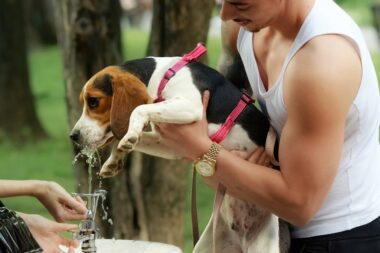
To keep your senior dog properly hydrated, implement a few practical strategies. First, enhance the water appeal by using pet-friendly water fountains that keep water flowing and fresh. Many dogs prefer moving water, so this option can stimulate their interest. Adding flavor to their water through calorie-free, dog-safe additives can also increase their desire to drink more. You could also consider offering low-sodium broth as an occasional treat, mixing it in with dry kibble can make meals more enticing. Furthermore, incorporate water-rich foods into their diet; fruits like watermelon or cucumber can contribute to overall hydration. Always ensure that any food is dog-safe and introduced gradually. Maintaining a consistent schedule for walking can also subtly encourage your dog to drink, as they may drink more after exercise. Lastly, keep bowls in multiple locations throughout your home, ensuring your dog has access to water no matter where they are. Close monitoring of your senior dog’s hydration habits will give you a better understanding of their needs and preferences.
Seasonal changes can also influence your senior dog’s hydration patterns. In winter, dry indoor air can lead to dehydration, despite the cooler temperatures. Dogs may drink less in colder months, so proactively encouraging water intake is essential. Use humidifiers in the home to combat dry air; they can also benefit your senior dog’s skin and respiratory health. Conversely, during the summer months, increased outdoor activity can lead to overhydration, so you need to find a balance. Adjusting the amount of exercise provided based on temperature can directly affect hydration levels. Additionally, watch closely for signs of heatstroke, which is a serious concern for senior dogs in high-heat situations. Always make sure your dog has access to water before and after walks or playtime and encourage regular breaks. A shaded area is essential if your dog has to spend time outdoors in hot weather. Planning for your dog’s hydration needs through all seasons is vital for their health. Adapt your strategies according to weather changes, so your dog stays well-hydrated throughout the year.
Understanding Hydration Needs
Senior dogs typically require more hydration relative to their body weight than younger dogs. As dogs age, their bodies become less efficient at retaining moisture; they may also have specific health conditions that increase their needs for water intake. The amount of water they need can depend on factors such as diet, activity level, and environmental temperature. Dry dog food requires more water consumption, while wet food can assist in keeping them hydrated. Hence, ensure meals are balanced and tailored to your dog’s age and health status. The general guideline suggests that dogs should drink about an ounce of water per pound of body weight daily, but this can vary. Keeping a log of your dog’s daily water intake may help identify potential hydration issues before they escalate. By being proactive, you can contribute positively to their nominal hydration levels and overall health. In serious cases of dehydration, immediate veterinary consultation is necessary. Understand that every dog is different in terms of how much they need, and adapt instructions according to individual circumstances for the best results.
Always stay informed about your senior dog’s health, as some medications or underlying health issues may change how much water they require. Regular communication with your veterinarian can provide guidance tailored specifically for your dog’s health condition. Some dogs may need support due to conditions such as kidney disease or diabetes. These diseases can potentially affect your dog’s thirst and urination patterns significantly. Routinely checking your dog’s weight can also provide insights on both hydration and overall health. Weight loss in senior dogs can indicate serious health problems, including dehydration. If you notice dramatic weight changes or a decrease in activity, these are signs that warrant immediate veterinary evaluation. Blood work can identify underlying issues affecting hydration needs. By understanding these health aspects, you are better equipped to manage your senior dog’s health effectively. Also, staying observant about changes in mood or behavior can give you clues about how well-hydrated your dog may be. Be proactive, attentive, and responsive to ensure that hydration remains a priority.
Conclusion: Keeping Your Senior Dog Hydrated
In conclusion, ensuring proper hydration for senior dogs is a critical aspect of their welfare. Understanding the effects of weather on hydration helps caregivers make informed decisions regarding their dog’s needs. It is essential to remain vigilant about changes in your dog’s habits and implement effective hydration strategies based on the weather and your dog’s changing health status. Establishing a solid routine can positively impact their hydration levels and their overall well-being. By being proactive, you not only enhance their quality of life but also prevent potential health issues arising from poor hydration. Additionally, keeping communication open with your veterinarian will help align hydration strategies with your senior dog’s health plan. Remember that adjusting your tactics might take some trial and error to see what works best for your best friend. Care and attention can go a long way in maintaining your senior dog’s hydration and overall health. With proper strategies, observation, and communication, you can ensure that your furry companion stays healthy and happy.
By following these suggestions, you can create a plan tailored to your senior dog’s hydration needs. Hydration is not simply about providing water; it requires dedication, attention, and responsiveness to your dog’s unique situation. Each dog is different, and adapting your strategies accordingly is key. Monitor your dog’s behavior and adjust as necessary, ensuring that their well-being remains a priority. With the right approach, you can significantly improve your senior dog’s health and longevity. This will allow them to enjoy their golden years with the comfort and care they deserve.