
The Impact of Diet on Hydration in Senior Dogs
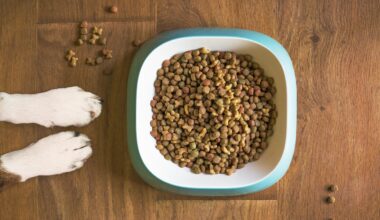
Proper hydration is paramount for senior dogs, as their bodies may not efficiently retain water. As dogs age, they might experience medical conditions that affect their thirst levels. For instance, kidney disease, diabetes, and certain medications can lead to increased water needs. A senior dog’s diet plays a crucial role in ensuring they receive adequate hydration. Dry kibble can be less hydrating compared to wet food, which has more water content. Including moisture-rich foods can support hydration. Furthermore, dogs often enhance their water intake through juicy treats and hydrating fruits like watermelon. A balance of these elements is essential. Providing clean, fresh water daily and encouraging regular drinking habits can help. Some owners might add water to kibble or offer broth to enhance the flavor and encourage drinking. Watch for signs of dehydration such as dry gums, lethargy, or reduced skin elasticity. If you notice these signs, consult a veterinarian immediately. Understanding the connection between diet and hydration will lead to a healthier, happier senior dog. Emphasizing proper diet and moisture can contribute to their overall health and longevity in their golden years.
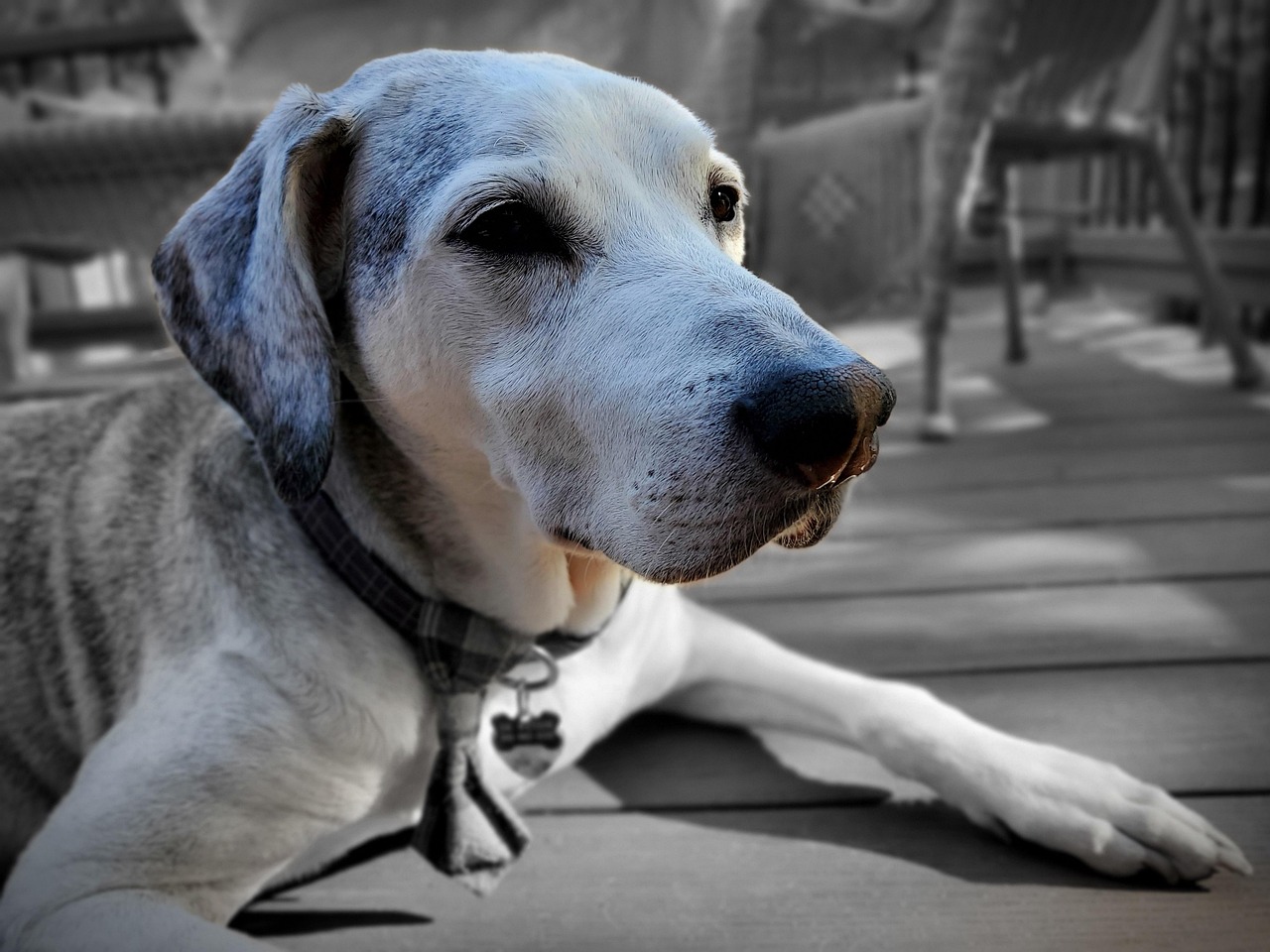
Senior dogs have unique hydration requirements that owners need to address. Changes in water consumption can indicate ongoing health issues, so monitoring intake is essential. Often, senior dogs do not drink water as readily as their younger counterparts. This can lead to the misconception that they do not require as much hydration. In reality, they may need more water due to various age-related conditions. Feeding a diet high in moisture can be beneficial. Look for pet food that advertises high moisture content, which can help sustain hydration levels. Besides, providing regular access to clean water is important. If your dog is reluctant to drink, you might consider using a dog water fountain as these can entice them more effectively than a simple bowl. Additionally, treat your dog with water-based treats like flavored ice cubes from low-sodium broth. These can be refreshing on hot days. Always check with a vet to tailor hydration strategies according to your dog’s specific health requirements. Keeping senior dogs hydrated not only promotes health but also impacts their overall quality of life as they navigate their later years.
Nutritional Considerations for Hydration
When contemplating hydration and diet for senior dogs, certain nutritional considerations must be kept in mind. A balanced diet is key to optimal hydration levels. Including foods rich in omega fatty acids, proteins, and antioxidants can promote skin health and reduce the risk of dehydration. Many senior dog foods are designed to support their health with holistic ingredients. Additionally, look for food that incorporates high-quality wet options. These foods are not only hydrating but also easier to digest compared to dense kibble. Regularly incorporating hydrating fruits or vegetables, such as cucumber and blueberries, can further enhance hydration. Monitoring your dog’s weight and adjusting food quantity is important, as overweight dogs may face additional challenges in hydration. Consulting with a veterinarian can provide tailored feeding recommendations based on your dog’s specific needs. Consider hydration supplements or additives that ensure adequate daily intake. By providing optimal nutrition in conjunction with hydration, you can greatly improve your senior dog’s health and happiness. Repeat, a well-rounded diet is critical in maintaining hydration levels for senior dogs, enhancing their quality of life in this important phase of their lives.
Behavioral factors also influence hydration needs in senior dogs, making it crucial for owners to be aware. Many older dogs tend to become less active, which can lower their overall thirst drive. Additionally, changes in daily routine or environment can affect their drinking behavior. Some senior dogs may struggle to drink from elevated bowls or traditional water containers. Thus, changing the placement of their water source might encourage them to drink more frequently. Offering hydration through interactive ways can also help; for instance, using oral syringes filled with water can be effective for pets who resist drinking independently. Another creative way to encourage hydration is by preparing homemade broth or offering ice chips. This can make drinking more enjoyable for your senior dog. Always remember that elderly dogs are more susceptible to heat and will need sufficient water to help their bodies manage temperature regulation. Consider pet-friendly hydration packs during summer outings. The combination of an accommodating environment and various hydration sources will ensure your senior dog remains content and healthy throughout their later years.
The Role of Environment in Hydration
The environment plays a significant role in a senior dog’s hydration needs. Factors such as temperature, humidity, and basic living conditions, greatly impact how much water a dog consumes daily. In warmer months, dogs are at increased risk of dehydration, while indoor heating in colder seasons may create dry air. It’s essential to adjust their water intake according to these conditions. If it is hot outside, ensure your dog has access to shade and fresh water at all times. Senior dogs may also prefer water bowls that are more accessible, minimizing strain on their joints. Increasing their water intake by refreshing their bowl with colder water throughout the day can also help keep them engaged. If environmental factors or housing conditions are not supportive, consider adjusting your dog’s diet to include more wet foods or hydrating snacks. Evaluate your home setup: ensure water is always available, and assess any potential barriers to access for your senior dog. An accommodating environment paired with a proper diet can significantly enhance hydration consumption and overall well-being for your older canine companion.
Regular vet checkups are imperative to monitor hydration levels and overall health in senior dogs. Aging often brings about complications such as liver or kidney issues, which impact hydration needs. Frequent blood work can reveal kidney function and electrolyte levels, but it’s also helpful to assess your dog’s dietary habits. Keeping records of these assessments can help you track changes over time. You’ll want to communicate any noticeable shifts in your dog’s drinking endeavors with your veterinarian. You may require tailored hydration recommendations based on individual needs, particularly as certain medical conditions may demand increased hydration. Be proactive about preventing dehydration; knowing the signs can help you act swiftly. Look out for dry gums, lethargy, or any unusual behavior that can signify hydration issues. Additionally, consider discussing dietary options that could improve hydration and overall nutrient absorption with your veterinary professional. The goal is to equip your senior dog with the best metabolic support for their golden years. Thus, health management is crucial for alleviating the challenges of aging in your beloved pets, helping them thrive as well as enjoy their remaining years.
Conclusion: Best Practices for Hydration
In conclusion, understanding hydration needs in senior dogs is vital for promoting their overall health and longevity. Owners should prioritize hydration strategies in conjunction with proper diet guidelines to support their aging pets effectively. This requires consistency in providing fresh water, alongside hydrating foods that entice your dog to drink more. Regularly checking their water intake can help to identify any changes that may indicate potential health problems early. Knowing your dog’s preferences is key; whether it is wet food or creatively introducing hydration through treats, each method can support their health. Staying aware of environmental factors and ensuring their living spaces are accommodating further enhances hydration efforts. Regular veterinary care, including blood work, will aid in monitoring their health needs and providing suitable adjustments to their diet and hydration plans. Senior dogs deserve special attention, and as caretakers, it is our responsibility to support their needs holistically. By addressing hydration comprehensively, we can ensure our senior pets remain healthy, happy, and comfortable as they gracefully navigate through their later years of life.
Finally, contributing to a senior dog’s hydration doesn’t have to be a complex task. Simple daily practices can create a major impact on a senior dog’s life. Whether it means promoting the right foods or adjusting your dog’s drinking environment, understanding hydration’s role is invaluable. Engaging with your vet can illuminate tailored strategies specific to your dog’s individuality. Such tailored approaches guarantee they remain hydrated and nourished. Pricey solutions aren’t always necessary; many effective strategies revolve around basic hydration principles combined with fresh ideas. It’s about tuning into your dog’s daily choices and habits. As caregivers, monitoring hydration not only provides essential nutrients but also helps to ensure your senior dog feels loved and cared for. So whether through positive reinforcement of drinking or assessing food choices, you play an essential role in your dog’s hydration journey. Observe their preferences and adapt accordingly. Be proactive in maintaining hydration levels as this can significantly elevate their quality of life. Ultimately, success in hydration efforts leads to longevity and a happier aging experience for your cherished senior dog.