
Top Signs of Dehydration in Senior Cats to Watch For
Recognizing dehydration in senior cats is essential for their well-being. Older cats, much like humans, experience changes in their body that can lead to decreased water intake. First, it’s crucial to observe your cat’s behavior and physical signs. One significant indicator is the skin elasticity; if you gently pinch the skin on the back, it should quickly return to its original position. If it remains tented, dehydration could be a concern. Additionally, pay attention to your cat’s gums. When they are dry or sticky rather than moist, this is a clear sign of dehydration. Another critical aspect is watching your cat’s thirst. If they are not drinking water as usual, this can indicate a dehydration issue. Monitoring their litter box habits is also important; decreased urination suggests the body is not adequately hydrated. Furthermore, senior cats can become lethargic, which may stem from dehydration among other health issues. Promptly identifying these signs is key in keeping your cat healthy and happy. Regular vet visits can help to manage hydration and prevent more severe health concerns. With proper care, hydration problems can largely be avoided in your beloved senior feline.
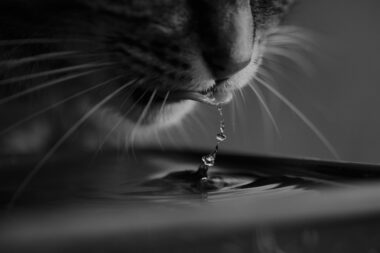
It’s not always easy to spot early signs of hydration issues in senior cats. Being observant about their daily water intake can make a critical difference. Note whether your cat is seeking water more frequently or drinking less compared to their normal habits. Often, senior cats are less inclined to drink water, especially if they have dental issues, making it painful to drink. Also, the texture of their food can encourage or discourage water intake. If you typically feed your cat dry kibble, consider mixing in wet food options, which can improve hydration levels. You might also want to add a pet water fountain to entice your cat. Cats are instinctually drawn to moving water, which may encourage them to drink more. Making water readily accessible throughout your home is also beneficial. Place multiple water bowls in various locations to give them easy access. Furthermore, observe any changes in their personality; if they seem more withdrawn or irritable, that could signal discomfort. Always consult with your veterinarian if you suspect your senior cat is dehydrated. They can provide tailored advice and potential solutions to ensure your cat remains hydrated and healthy.
Why Hydration Matters for Senior Cats
Hydration is particularly important for senior cats as they are more prone to kidney disease and other health issues. Water plays a vital role in metabolizing nutrients and eliminating toxins from the body. Without proper hydration, their organs struggle to function effectively. Cats often have a low thirst drive, making it essential for owners to be proactive in encouraging water consumption. Senior cats may also have a reduced sense of taste and smell, which can influence their desire to drink. Additionally, dehydration can exacerbate existing medical conditions, leading to more severe health problems. Observe your cat for any weight loss, as this can indicate both dehydration and malnutrition. Incorporating water-rich foods into their diet can be particularly beneficial for improving hydration, as mentioned earlier. Moreover, electrolyte balance is critical for maintaining heart health and energy levels. Be mindful of their environmental conditions; heat can increase the risk of dehydration, so ensure they have access to cool areas in your home. Regular check-ups with your veterinarian will help catch potential issues early and keep your senior cat healthy and hydrated throughout their golden years.
Understanding the signs of dehydration in senior cats may require some observations. One often-overlooked sign is a change in urine color. Dark yellow urine can indicate concentration due to insufficient hydration. Similarly, monitor your cat’s appetite closely. Dramatic changes in eating habits may correlate with their overall health, including hydration levels. Pay close attention to any unpleasant breath or ‘bad’ odor, which could indicate kidney issues that often accompany dehydration. Physical examination by a vet may also reveal issues that affect hydration, such as dental concerns. Regular dental care is vital for senior cats to maintain their overall health. It would help to familiarize yourself with your cat’s normal behavior and look for any changes over time. If you notice signs of dehydration, acting proactively is important. Check your cat’s hydration by observing their water intake throughout the day. Offer them fresh, clean water consistently. Simple changes in their environment or diet can make a huge difference. Taking these steps can significantly improve your senior feline’s quality of life and well-being. Remember that hydration is vital in maintaining your beloved cat’s health as they age.
Tips for Maintaining Hydration
To maintain your senior cat’s hydration, consider offering multiple sources of water throughout your home. Cats may be more inclined to drink from different spots, especially if they associate one area with feeding. Additionally, freshness is key. Regularly change the water to keep it appealing. Monitor the water bowl for cleanliness, removing any debris or dirt that may deter your cat from drinking. You can also enhance their experiences by adding ice cubes to their water bowl on hot days. Ice cubes can pique their curiosity, making drinking more engaging. Some senior cats might benefit from adding wet food to their diets, as this will improve their water intake significantly. There are also various cat food brands that emphasize moisture content and hydration benefits, which might be worth exploring. You might consider discussing with your vet the potential use of hydration supplements that can be mixed with their food or water. Be vocal about your observations, as your veterinarian can guide you on what adjustments might suit your cat best. Incorporating these tips into your routine will help ensure your senior cat stays hydrated and healthy.
Being vigilant about your senior cat’s hydration can significantly improve their health and lifespan. As cats grow older, they can succumb to various health issues, and hydration plays a critical role in preventing problems. Often, dehydrated cats exhibit symptoms that can be easily confused with other health concerns. For example, lethargy, dull fur, and changes in behavior could stem from a lack of sufficient water intake. Providing a comfortable living environment with easy access to water may alleviate some hydration issues. Moreover, consider setting reminders for yourself to check the water bowls at regular intervals throughout the day. Using engaging bowls or even pet water fountains can also contribute to better hydration levels. Cats are naturally curious creatures; making drinking water an exciting activity can encourage them. Try to create a stress-free feeding time to help encourage hydration. If your cat suffers from certain health issues, consult your vet about potential dehydration risks. Being proactive about your cat’s hydration can lead to fewer vet visits and a less stressful experience for both of you. With your care and attention, your senior cat can live a healthy, hydrated, and happy life.
Conclusion
In conclusion, it is vital to monitor hydration levels in senior cats. Frequent check-ups with a veterinarian, along with proactive measures at home, can help identify and mitigate potential dehydration issues. Knowing the signs of dehydration—such as skin turgor, dry gums, and changes in thirst—is essential for effective care. Addressing these issues with proper hydration strategies, like those mentioned previously, can drastically improve your cat’s health. Providing fresh water, incorporating some wet food, and ensuring clean bowls can work wonders. Make adjustments as necessary, and always stay observant of your cat’s behavior and habits. As stress can impact their overall well-being, maintaining a calm atmosphere encourages healthy eating and drinking habits. Remember to incorporate regular play and a loving routine, as mental stimulation also helps improve their overall health. Consulting with your vet for personalized strategies and solutions is always a great approach. Ultimately, your commitment to keeping your senior cat hydrated will show love and affection, enhancing their quality of life as they age gracefully.