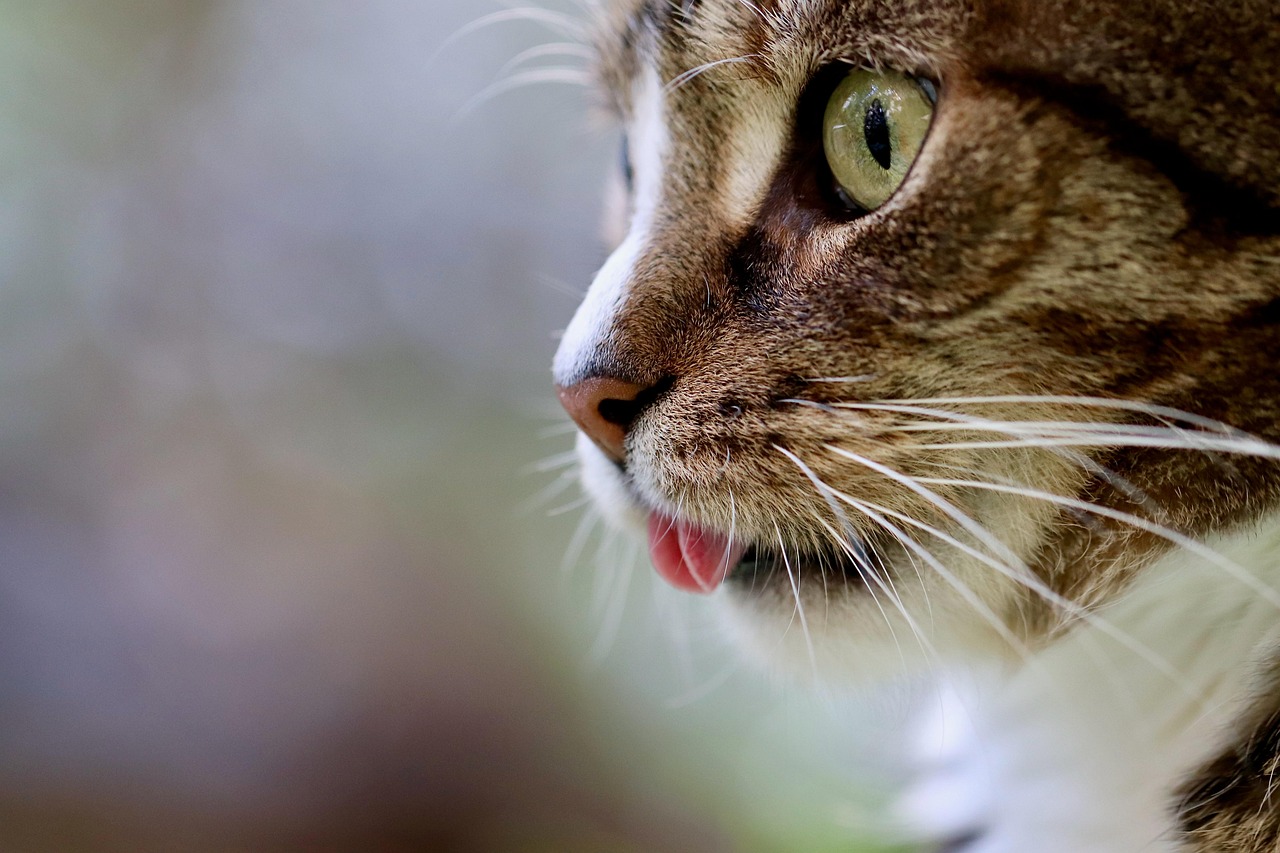

Top Tips for Successfully Filing Your Cat Insurance Claims
Navigating the world of cat insurance claims can seem daunting at first, but with the right approach, it becomes manageable. Understand your policy: familiarize yourself with what is covered and the limits. Carefully read the terms related to claims, including any exclusions that might apply. Many times, pet owners overlook these crucial details, leading to unexpected denials. Gather all necessary documentation before starting the claims process. This includes your veterinarian’s records, invoices for treatment, and any breed-specific health evaluations. Having all documents ready helps streamline the submission. Each insurance company may have its unique claims process. Always check the specific guidelines provided by your insurer, as this will save time and prevent mistakes. Keep a personal record of all communications with your insurer for future reference. In case of disputes, this log can be invaluable. Lastly, consider tracking the progress of your claim regularly. If delays occur, don’t hesitate to follow up with your insurer. Staying proactive can ultimately determine the speed and success of your claims, ensuring that your beloved feline receives the care it deserves.
Understanding the various aspects of your cat insurance policy is crucial for filing effective claims. One key factor is the claims submission deadline. Each insurance might have different time limits for submitting your claims post-treatment or incident. Missing these deadlines can lead to automatic denials, so make a note. It’s also vital to comprehend how pre-existing conditions are handled within your policy. Many insurers will not cover anything related to existing conditions, and understanding this can help avoid disappointment later. Pay attention to the waiting periods too; certain policies have stipulations on waiting times before coverage begins. This means if you file a claim too early, it may not be honored. Additionally, you might want to review customer feedback on your specific insurance provider. This can give insights into others’ experiences with claims processing times and success rates. Researching and comparing insurers before purchasing a policy can help you choose one that suits your needs best. A clear understanding of policy specifics minimizes stress when dealing with claims, making the process a smooth experience for you and your cat.
Documenting Your Cat’s Health
Accurate documentation is the backbone of successfully filing claims for your cat’s health incidents. Start by maintaining detailed records of your cat’s health history, including vaccinations, previous illnesses, and treatments. This information can support your claims significantly during the evaluation process. Always request detailed invoices from your veterinarian, as these documents will need to be submitted. Ensure they include itemized lists of treatments, services performed, and the associated costs. When submitting claims, clarity matters; incomplete or unclear invoices may lead to delays or denials. Don’t forget obtaining a statement or confirmation of diagnosis from your vet. This is crucial for proving the necessity of treatments and interventions. Keep all documents organized through clear files or digital storage, making it easier to access them when needed. Additionally, accompany your claim request with a summarizing letter that states the reasons for the claim. Establish a good communication line with your vet to ensure they are on the same page during the claims process. Being thorough in your documentation showcases diligence and improves your chances of successful claim acceptance.
Effective communication with your insurance company can significantly enhance the claim filing process for your cat’s insurance. After submitting your claim, be proactive in seeking updates regarding its status. Create a schedule for follow-ups, which should be timely yet not overly frequent. Most companies have a standard turnaround time for processing claims, so ensure you give them ample time before reaching out. When you do follow up, prepare to provide all relevant information, including your claim number and personal details about your cat. This speeds up the process, allowing representatives to assist you more efficiently. Be polite yet assertive in your communications to foster a collaborative relationship with the insurance team. If your claim is denied, inquire about the specific reasons behind the decision. Understanding the rationale allows you to address those concerns in any appeal process. If needed, escalate persistent issues to a supervisor. Remember, keeping a record of all your communications, including dates, times, and representatives’ names, proves beneficial, especially when addressing discrepancies. This way, you build a stronger case should you need to challenge a denied claim.
Knowing Your Rights as a Policyholder
As a cat insurance policyholder, knowing your rights empowers you and can enhance your claims process experience. Familiarize yourself with the terms of your policy, as this lays the foundation for understanding your entitlements. Each policy outlines specific rights pertaining to claims, including the right to appeal any denial. If your claim is rejected, you have the right to seek a detailed explanation from your insurer. This transparency is crucial for understanding whether mistakes were made or if further information is required. Remember that you can request a second opinion if a claim is denied based on a veterinarian’s judgment. Always review the insurer’s complaint resolution process; knowing how to navigate it can shield you from dissatisfaction. Various regulatory bodies oversee insurance practices, and they act as a resource for resolving disputes. If necessary, don’t hesitate to contact them for assistance. Being informed not only protects your interests but also equips you when making decisions related to your pet’s health coverage. Your understanding plays a vital role in advocating for your cat’s well-being throughout the claims process.
Education about potential pitfalls during the claims process is essential for every cat owner. A common mistake is filing claims for treatments that fall outside the coverage limits, such as elective procedures. It is crucial to differentiate between what is necessary for your cat’s health and what might be considered optional. Another pitfall involves relying solely on online information without cross-referencing the specific points in your own policy. Every policy is unique, and general advice may not apply to your situation. Be wary of the fine print pertaining to co-payments and deductibles, as these can drastically alter your reimbursement amounts. Misunderstanding these terms often leads to dissatisfaction when claims are processed. Also, stay informed about the timing of claims submissions; submitting as soon as possible is advisable. Delaying could result in complications or missed deadlines. Understanding these common errors can significantly improve the efficacy of your claims approach, reducing stress and ensuring you get the benefits your policy promises. Continuously educating yourself about your rights can hold your insurance company accountable and advocate effectively for your cat’s care.
Final Thoughts on Cat Insurance Claims
In conclusion, effectively navigating the cat insurance claims process requires diligence, understanding, and proactive communication. By keeping meticulous records and following appropriate protocols, cat owners can boost their chances of successful claims. Be prepared for possible disputes and view them as part of the learning curve in managing pet insurance. Always remember to familiarize yourself with the specific language and stipulations present in your insurance policy. This knowledge can save you from unnecessary obstacles later on. It’s worth noting that patience is also essential throughout this process. Claims may take time to process, especially when vet confirmations are involved. Maintain open lines of communication with your provider, and don’t hesitate to ask for clarifications when needed. Joining pet owner forums can also provide community support and suggestions that can be valuable during claims. Overall, prioritize your cat’s health and well-being while navigating the complexities of insurance claims. Each step you take to become more informed leads to greater peace of mind for both you and your beloved feline companion.
Recommended Resources
Consider checking resources from reputable veterinary organizations that can provide insights into managing your cat’s health effectively, which could assist in future claims processes. Websites of popular organizations often contain valuable information on insurance products tailored for feline health. Reading up on pet advocacy and insurance comparison websites can also offer fresh perspectives on coverage options. Furthermore, joining online health communities for pet owners fosters an exchange of knowledge and experiences related to claims. These platforms can be beneficial for crowdsourcing tips and navigating challenges effectively. Another resource is local veterinary schools, which may offer expert opinions on common procedures or ailments, assisting in verifying claims. If possible, schedule informational sessions with your vet to understand the nuances of treatment costs. Engaging with professionals provides insights that can bolster any claim. Lastly, several financial planning guides specifically for pet owners exist, providing strategies to balance pet care costs with necessary insurance coverage. Staying informed allows pet owners to manage their responsibilities with confidence while promoting the best health for their beloved cats.