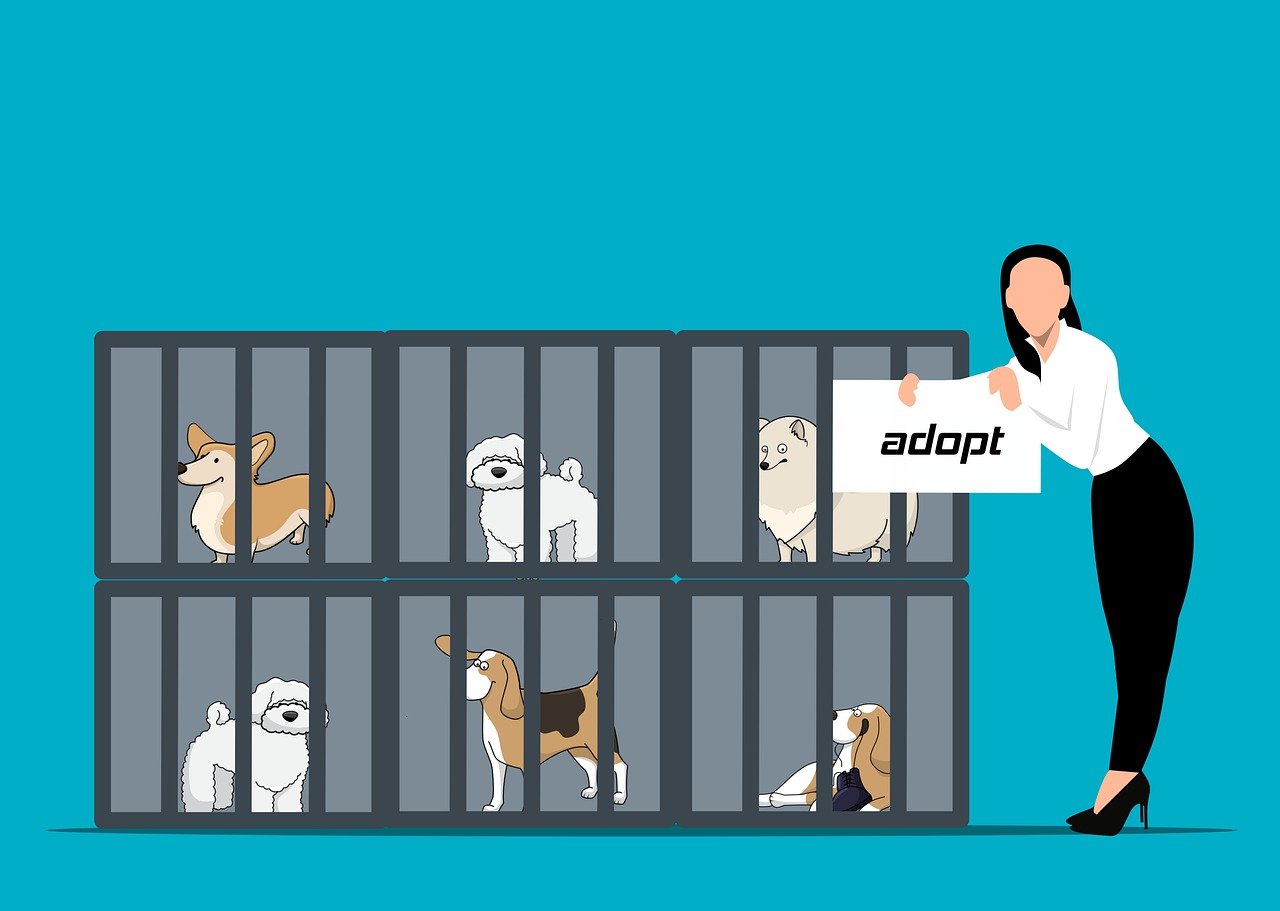

How Foster Families Transform the Lives of Rescued Dogs and Cats
Foster families play a crucial role in the journey of rescued dogs and cats, providing a safe haven while they await their forever homes. The act of fostering extends beyond mere shelter; foster families offer love, care, and stability during a vulnerable time for these animals. Many of these pets come with a history of neglect or abuse, making the transition to a loving environment critical. A nurturing foster home can bring about profound behavioral changes, helping these animals learn trust, socialization, and basic training. This not only prepares them for adoption but also significantly enhances their chances of finding suitable families. Furthermore, foster families can identify specific needs or behavioral quirks that may not be immediately apparent in a shelter environment. This insight is invaluable as it ensures that future adopters are better informed. By properly assessing each animal, foster families contribute to long-term success in placement. Many rescued pets also thrive in a home setting where they can exhibit their personalities and learning abilities more freely. Ultimately, fostering is a transformative experience that greatly benefits both the animals and the adoptive families.
Transitioning from a shelter life to a foster home can feel overwhelming for many animals. The security offered by foster families allows dogs and cats to decompress and adjust. Many pets arrive in foster care with anxiety and fear, making it essential to provide a calm and patient environment. Foster families often engage in essential practices that help ease this transition, such as maintaining a consistent routine, socializing the pets, and gradually introducing them to new environments and experiences. By focusing on routines, the foster families help the animals build trust and security, making them more adaptable to their new surroundings. Moreover, playtime and regular exercise are crucial components of fostering that promote mental and physical health. Dogs, in particular, benefit from leash walks and playtime with toys. Additionally, these activities allow foster families to bond with the animals, which enriches their emotional well-being. This bond typically aids in establishing a sense of belonging, ultimately fostering readiness for adoption. Reflecting on this transition, foster families not only witness animal recovery but experience the joy of helping a loving pet in need. Their dedication shapes the future of these rescued animals.
The Impact of Compassionate Care
Foster families provide compassionate care that impacts rescued animals positively. This care creates an environment where dogs and cats can heal physically and emotionally. Many animals suffer from chronic stress while in shelters due to overcrowding or neglect. By offering a loving home, foster families significantly reduce this stress, allowing the animals to relax and regain their health. The attention provided by foster caregivers helps identify any underlying health issues, as they observe behaviors and symptoms more closely than shelter staff can manage in a busy environment. This close monitoring often results in timely veterinary care, ensuring that rescued pets receive necessary treatment. Surgeons and caregivers note that animals fostered in stable environments tend to recover faster and exhibit better behaviors compared to those housed in multi-animal settings. Additionally, fostering often reveals the true personality of the animals, showcasing their quirks and charms that may have gone unnoticed in a shelter. This deeper understanding allows for more accurate matching with potential adopters. Consequently, the compassionate care provided by foster families plays a pivotal role in enhancing the overall adoption process.
In fostering, education and training are key components that empower both the animals and their temporary guardians. Foster families often take on the role of educators, helping their pets adjust to typical household routines and behaviors expected in forever homes. Basic commands such as sit, stay, and come, along with house-training, become significant during this time. By introducing these skills early, foster families prepare the rescued dogs and cats for successful placements. Many shelters provide resources and support for foster families, equipping them with tools and knowledge, including training programs and behavior workshops. Foster families can focus on teaching essential skills: leash walking, social skills, and simple commands. Moreover, some expand this educational experience by socializing pets with other animals and people. This exposure helps to mold well-adjusted companions suitable for various family environments. Through this collaborative effort, the fostering process aids in reducing future behavioral issues and enhances the overall adoptability of the rescued animal. For foster families, seeing these achievements is incredibly rewarding and motivates them to continue their efforts in the rescue community.
Cultural Shift in Animal Rescue
The rising trend of fostering pets signifies a cultural shift toward more humane approaches to animal rescue. Many communities increasingly recognize the importance of foster families in effectively managing overcrowded shelters. This shift culminates in collaborative efforts between animal rescue groups and communities, emphasizing the critical need for temporary homes for animals in need. As such, outreach and recruitment drives continue to promote fostering as a vital option for potential volunteers. Social media has played a significant role in amplifying these messages, leading to increased awareness about the benefits of fostering. Platforms showcase the success stories of rescued pets and highlight the transformative journeys that many fosters undergo together. Additionally, fostering helps reduce the burden on animal shelters; it alleviates stress while allowing rescue groups to devote resources to other rescue missions or public education initiatives. Many organizations provide extensive training and support systems for interested foster families, ensuring that potential fosters feel prepared and confident. Consequently, this cultural shift paves the way for more collaborative community efforts to address animal welfare issues while creating long-lasting bonds.
The emotional rewards that come from fostering pets are unparalleled, offering unique experiences for all involved. Foster families often develop strong bonds with the animals they care for. These connections can create a heartwarming sense of accomplishment and fulfillment as they witness the growth and transformation of each pet. Every rescued dog or cat leaves an indelible mark on the hearts of its foster family. Many families celebrate milestones. For example, the moment a pet learns to trust again or the first time it plays with a toy can be incredibly moving. Furthermore, the joy that comes with finding the animal a kind, loving forever home is immeasurable. Many foster families also share their experiences, contributing to the community’s understanding of the challenges and rewards of rescuing. Their stories often inspire others to consider fostering as a viable option too. After experiencing the thrill of fostering, many families choose to adopt another animal in need directly. Therefore, the emotional impact of fostering continues to reverberate, fostering a more profound love for animals and encouraging collective action toward animal welfare within the community.
Building Forever Families
Foster families play an instrumental role in building forever families for rescued dogs and cats. The bond formed between the foster caregiver and the animal paves the way for a successful adoption process. Foster families often become advocates, sharing valuable insights about each animal’s personality, habits, and quirks with potential adopters. This firsthand knowledge is crucial in ensuring that the animals find a home best suited for their temperament and energy levels. When rescued dogs and cats transition to adoption, they come with a deeper understanding of what it means to be a family pet, resulting in fewer returns to shelters. Moreover, foster families can provide crucial support during the adoption process, including guidance on initial settling in and ongoing training. Organizations often encourage foster-to-adopt scenarios to help alleviate the pressures on both the families and the animals. Thus, the work foster families do extends beyond the period of fostering, as they contribute to creating lasting, loving bonds that bring joy to countless lives. The positive ripple effect across communities continues, inspiring further engagement in animal rescue efforts.
The ripple effect of fostering is felt across communities, as stories of success inspire others to participate in rescue efforts. Many foster families advocate for various animal welfare programs, promoting the need for more individuals to step up as foster guardians. These advocates often share experiences through local events or online platforms, drawing in more attention to the challenges faced by homeless pets. As awareness grows, more families begin to realize that fostering is not just about providing temporary shelter; it also enriches lives in surprising ways. Local shelters report a higher demand for foster placements, due to outreach campaigns engaging communities. By sharing the transformative power of fostering, families reveal the joys of enriching another being’s life. The fostering experience creates advocates who help shift the public perception of rescue pets, branding them as valuable loving companions. Additionally, it nurtures a culture of compassion among community members, encouraging ongoing support and responsibility towards animal welfare. By embracing fostering, communities develop resilience and responsiveness to the plight of homeless pets. The continued cycle of fostering can combat overpopulation and ensure brighter futures for countless animals awaiting their forever homes.