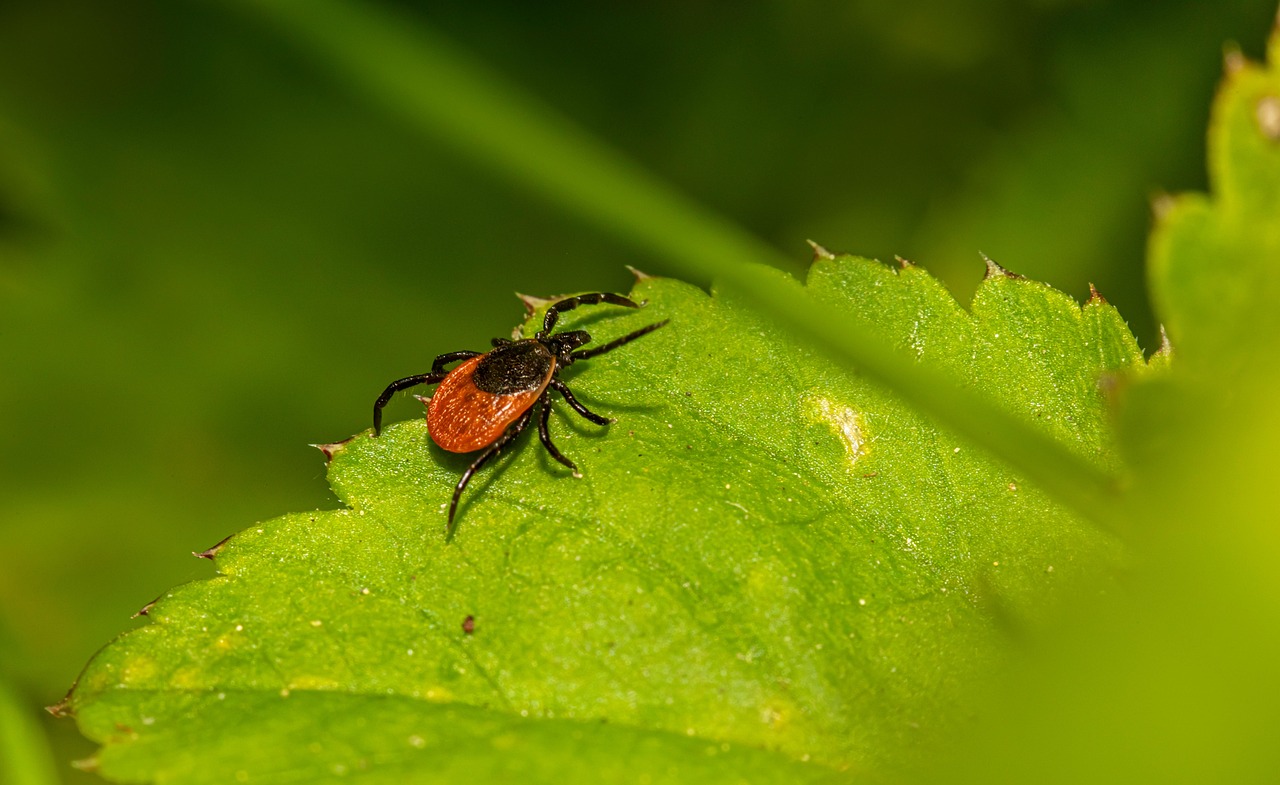

How Ticks Find Their Hosts: Sensory Biology and Cat Infestation
Ticks are fascinating ectoparasites that rely on a complex sensory system to locate their hosts. The biology of ticks is fine-tuned for survival, particularly in how they find cats and other animals. They are primarily opportunistic feeders that utilize environmental cues and host-associated signals. Ticks are equipped with chemosensory organs that detect carbon dioxide, heat, and moisture, all of which indicate the presence of a potential host nearby. The nature of their instincts plays a significant role in their lifecycle, affecting their feeding habits and reproductive success. Once a tick is in proximity to its host, it employs various cues to hone in on the ideal spot for attachment. Ticks undergo a series of behavioral patterns such as questing, where they climb to the ends of vegetation, waiting for a host to brush by. This behavior enhances their chances of finding a cat. Understanding these sensory mechanisms can help cat owners implement effective tick control strategies. Additionally, knowing tick behavior can inform the development of better prevention methods against tick-borne diseases that can affect both cats and humans alike.
The Role of Carbon Dioxide
Carbon dioxide (CO2) is one of the most critical signals that ticks utilize to locate their hosts. When an animal exhales, it releases CO2, which ticks can detect from a distance. This chemical sensing triggers a precise behavioral response from ticks, drawing them towards the source of the carbon dioxide. Interestingly, studies have demonstrated that ticks have specialized receptors that can sense even minute concentrations of CO2 in the air. As the amount of carbon dioxide increases, the tick’s urge to move in that direction intensifies. This method is highly effective because larger animals typically exhale more CO2 than smaller ones. Furthermore, when cats are present in the vicinity, the localized rise in CO2 can lead ticks to prioritize their search for felines as hosts. Their ability to home in on this specific gas demonstrates the incredible adaptation ticks have developed over millennia. Ticks are especially reliant on carbon dioxide during the questing stages of their lifecycle, revealing their dependency on such sensory biology for survival and reproduction, thus highlighting the importance of pest control in managing tick populations around home environments.
In addition to carbon dioxide, ticks also rely heavily on temperature variations as they search for hosts. The warmth emitted by a body can signal to a tick that it is nearby. Ticks possess a number of heat sensors located in their mouthparts that allow them to detect temperature differentials. This attracts them to warm-blooded hosts like cats, giving them a distinctive advantage. Research shows that ticks will actively move towards areas with higher temperatures, indicating an increased likelihood of finding a host. The ability to discern such signals plays a pivotal role in a tick’s decision-making process. Furthermore, moisture also acts as an important sensory cue. As cats often have moisture-laden fur, ticks are naturally drawn to them. Ticks effectively combine these environmental cues—carbon dioxide, heat, and moisture—to create a reliable profile for locating their next meal. Knowledge about how ticks interpret these signals can help cat owners put effective measures in place. Managing ticks involves understanding their behavior and preferences, ensuring that protective methods can be tailored accordingly and that cats remain safe from infestations.
Immune Response of Cats
When ticks attach to cats, they trigger immune responses that can vary greatly among individual animals. Once a tick bites, it releases saliva that alters the host’s immune function, allowing it to feed without being detected immediately. This immune evasion mechanism is crucial for the tick’s survival and helps it draw blood for several days. Cats may experience localized inflammation as part of the immune response, and in some cases, this can lead to complications such as infections or allergic reactions. However, many cats exhibit resilience and can combat tick-borne pathogens with their immune systems. Despite this, some cats may become more susceptible to dire effects, especially when they are already immunocompromised. Therefore, regular checks for ticks are indispensable to swiftly identify infestations and mitigate potential health risks. Additionally, fostering a healthy diet and management regimen further bolsters a cat’s immunity against both ticks and the diseases they transmit. Awareness of these dynamics can empower pet owners to seek timely veterinary interventions and make informed choices about preventive measures that benefit their furry companions.
Understanding tick lifecycle stages is vital for effective flea and tick control. Ticks life cycles consist of four stages: egg, larva, nymph, and adult. Each stage has specific habitat preferences, with ticks commonly found in grassy or wooded areas where they can easily access potential hosts. After hatching, larvae are often the first stage of development, requiring a blood meal to transform into nymphs. This stage also poses a risk for cats, as nymphs tend to be highly active during warmer months. Adult ticks will seek larger hosts for their final blood meal before reproducing. This understanding can help cat owners anticipate when and where to apply preventive measures effectively. Each lifecycle stage has unique vulnerabilities to treatment options, making this knowledge essential for successful intervention. Moreover, awareness of these stages enhances comprehension of flea-tick products’ effectiveness in controlling infestations. Ensuring that treatments are effective at different lifecycle stages can immensely benefit cat health by reducing the chances of future tick problems and associated diseases, providing peace of mind to pet owners knowing their cats are less likely to be affected by these potentially harmful parasites.
Environmental Factors Influencing Tick Populations
Environmental factors play a significant role in the prevalence of ticks in a given area. Change in temperature and humidity can influence tick populations profoundly. Ticks thrive in warm, moist environments and can become less active in colder, drier conditions. Moreover, seasonal changes affect their lifecycle stages and questing behaviors. In regions with mild winters, tick populations may rise, creating a higher risk for infestations in cats. Additionally, landscaping practices can impact tick habitats; yards that are well-manicured and free of dense vegetation tend to have fewer ticks. When cat owners take steps to minimize tick habitats, they significantly reduce the risk of infestation. Regular lawn maintenance, such as mowing and removing clutter, can help create barriers against ticks. Owners should also consider utilizing landscaping choices that deter rodents and other potential hosts that can carry ticks. This holistic approach to environmental management is crucial for protecting cats from infestations. Understanding how to manipulate the habitat can ultimately contribute to better control of tick populations, safeguarding the health and well-being of pets indoors and outdoors alike.
Immediate action is necessary once ticks are found on cats to mitigate health consequences. Carefully removing ticks should be done using tweezers or tick removal tools to ensure that no parts are left behind in the skin. The area should be cleaned and monitored for any signs of infection. Following removal, it is wise for pet owners to observe their cats for any unusual behaviors or symptoms, which might suggest a tick-borne illness. Common signs include lethargy, fever, and loss of appetite. Furthermore, educating oneself on the symptoms of tick-borne diseases can prove beneficial in identifying potential health risks early. Providing regular veterinary care and adhering to preventive treatments can be effective in managing tick infestations. Also, maintaining a good relationship with a veterinarian can offer peace of mind when handling potential infestations. In conclusion, understanding the biology of ticks and their interactions with cats equips pet owners with the knowledge to implement preventive strategies effectively. Regular checks and timely veterinary interventions can help protect cats from tick-related issues, preventing unnecessary sufferings and ensuring that both cats and their owners can enjoy peace of mind.