
How to Prepare Your Dog with Dental Issues for a Long Trip
Traveling with a dog that has dental issues requires careful planning and consideration. Start by consulting your veterinarian to assess your dog’s dental health before embarking on your journey. It’s essential to ensure the condition is stable, preventing more severe complications on the road. If your dog is due for dental cleaning or extraction, schedule an appointment before your trip. Pack necessary dental care supplies, including toothbrushes, specialized dog toothpaste, and dental chews, to maintain oral hygiene. Bring along your canine’s medication, if prescribed, to manage any pain or infection. Be aware of signs of dental discomfort, such as reluctance to eat or excessive drooling. Plan your travel itinerary carefully, ensuring frequent breaks to allow your dog to stretch and relieve any stress. Choose dog-friendly accommodations that understand the specific needs for your pet’s dental care throughout the stay. Always check for nearby veterinarians in your travel area, just in case emergencies arise during your trip. Preparing well will help guarantee a comfortable experience for both you and your beloved furry friend.
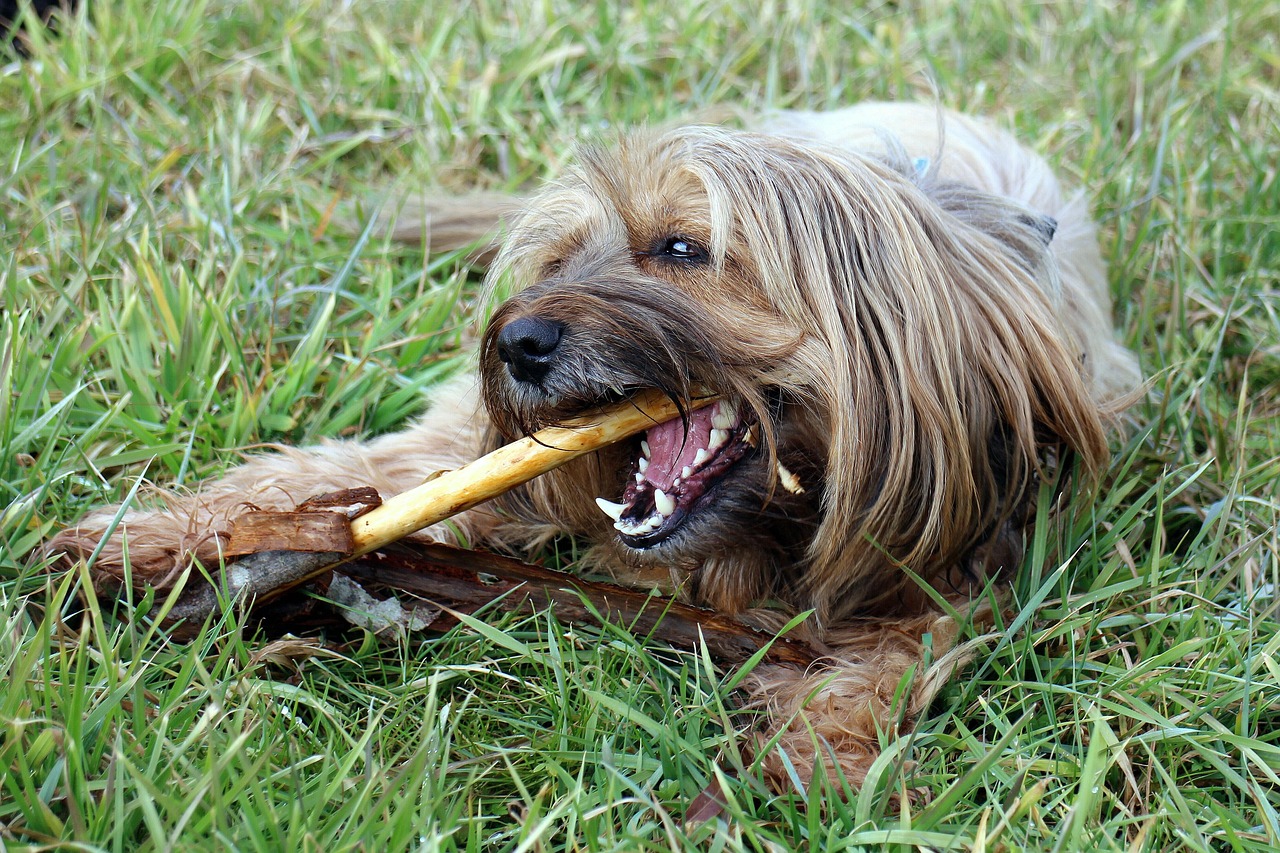
Once you embark on your journey, maintaining your dog’s dental hygiene is vital. Follow your regular dental care routine even while traveling. Make sure to brush your dog’s teeth at least once every day to remove plaque and tartar buildup. This can be challenging during long trips, so find a convenient time and place to perform this essential task, such as during a rest stop. In addition to brushing, offer your dog dental chews or treats that promote oral health. These can help minimize bad breath while simultaneously reducing plaque and gum disease risks. Remember that hydration is crucial; always ensure your dog has access to fresh water to help wash away food particles that may contribute to dental problems. Monitor your dog for any signs of dental distress throughout the trip. If you notice excessive whining or biting at the mouth area, it may indicate pain caused by dental issues. In such cases, opt for a visit to a local veterinary clinic that specializes in dental care. This proactive approach can significantly improve your pet’s travel experience.
Before starting the journey, consider your dog’s diet during travel. If your dog typically eats hard kibble, continue offering their usual meals, as the crunchy texture can help keep teeth clean. You might also consider moistening their food to make it more palatable if they are experiencing discomfort. When planning meals, remember to choose times that synchronize with rest breaks to avoid motion sickness. Always pack extra food in case of delays, and opt for dog food that is known for its dental benefits. Pay attention to your dog’s reaction to their meals while traveling; if they refuse to eat, evaluate if dental pain is a factor. Avoid feeding human food, as it may lead to unexpected digestive issues. Keep your dog on a consistent eating schedule, as stability helps them feel safe and comfortable during uncertain times. If you plan to stop at restaurants, look for dog-friendly options allowing your pet. Always have bowls for food and water readily available in your car to make feeding convenient. This brings comfort and normalcy in addressing their dental care needs.
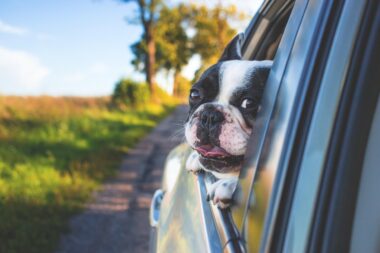
Another critical aspect to consider is the transportation method you’ll use. If traveling by car, make sure your dog is secure in a proper pet seat belt or crate, minimizing stress during travel. This will help keep your dog calm and reduce movement that may aggravate dental discomfort. Additionally, consider playing soothing music in the background; it can help calm anxious pets during travel. If you are flying, verify airline regulations for traveling with pets and ensure you have all necessary documentation. Dogs with dental issues may have specific handling needs during the flight, so apply for pet assistance services when necessary. Arrange for proper carriers that provide enough space for your dog to sit comfortably. During layovers or while waiting in terminals, ensure your dog can move around, relieve themselves, and hydrate appropriately. This also creates opportunities for dental check-ins using portable dental supplies, even on the go. Keeping your dog relaxed and comfortable will significantly improve their experience during travel. By taking these steps, you can ensure your dog’s dental health needs are taken into account.
Finding Veterinary Care on the Road
Identifying veterinary clinics along the route ensures you’re prepared for unexpected dental emergencies. Research locations before setting out on your journey, especially if you’re traveling through rural areas where veterinary services may be limited. Use online resources or mobile applications to locate nearby clinics with good reviews. It’s also beneficial to check if there are any specialized veterinary dental practices in the areas you plan to visit. When contacting clinics, ask if they can handle dental emergencies and obtain the credentials of the staff. Create a list of contacts with phone numbers and addresses for easy access throughout the trip. Keep your dog’s medical records easily accessible to provide accurate health information to any veterinarian you might consult. Make sure you have a backup plan, choosing alternate routes or destinations with more veterinary options. Always carry health insurance information or coverage to assist with potential vet visits. Understanding regional veterinary resources will help to minimize risks during travels while ensuring optimal dental care for your dog.
Keep in mind your dog’s comfort when planning the itinerary. Too many hours on the road without breaks can increase discomfort, especially for dogs with dental issues. Schedule frequent stops at dog parks or green spaces where your dog can stretch their legs and relieve any tension. Incorporate time for leisurely walks, as this can significantly enhance your furry friend’s mental and physical well-being. Offering them playtime helps to establish normalcy and rejuvenate their spirits. Monitor their behavior closely to ensure they remain calm and comfortable. If they seem anxious or restless, consider adjusting your schedule to minimize their stress levels. Staying in dog-friendly accommodations with open spaces or walking trails allows for additional exercise and comfort. Pay attention to your dog’s response to travel conditions; for example, if they exhibit signs of discomfort or pain, it may require reducing travel distances. Adapting your plans for your furry companion can lead to a more enjoyable experience for both you and your dog while traveling.
Reviewing Post-Trip Dental Care
After returning from your trip, it’s crucial to conduct an assessment of your dog’s dental health. Schedule an appointment with your veterinarian for a thorough examination, as changes in their routine may impact dental issues. Your vet may recommend a comprehensive cleaning or further dental treatments based on their findings. During the appointment, discuss any signs of discomfort that your dog exhibited during the trip. Take this opportunity to review your dog’s oral hygiene routine and make adjustments if necessary. Continuing with a consistent dental care regimen at home will help prevent dental issues from recurring. Regular check-ups should become part of the routine to maintain your dog’s oral health effectively. If you noticed your pet facing challenges during travel, adjust care practices to address these specifically. Maintaining comprehensive records of any dental treatments is important for future vet visits. Remember, early intervention can lead to better outcomes in dental care for pets, ensuring their overall health and well-being post-travel. Cherishing your pet’s health and happiness should always be a priority.
In conclusion, traveling with a dog that has dental issues does not have to be a stressful experience. With proper preparation, awareness, and a mindful approach, you can ensure that your furry friend remains comfortable while traveling. From taking veterinary advice, maintaining routine dental care during the trip, planning meals, to identifying veterinary resources on the road — every step matters. By balancing your travel itinerary with your dog’s physical and dental care needs, you can create a harmonious travel experience for both of you. Always stay flexible and ready to adjust plans based on your dog’s reactions, as their comfort is paramount. With your love, preparedness, and creativity, your furry companion can enjoy new adventures alongside you. Keep nurturing your pet’s health, and your bond will blossom with every journey you undertake. Remember, a dog that feels good generally behaves better, which contributes to a smooth travel experience. Your proactive steps can help avoid unwelcome surprises while allowing your dog to enjoy the journey, making lasting memories together.