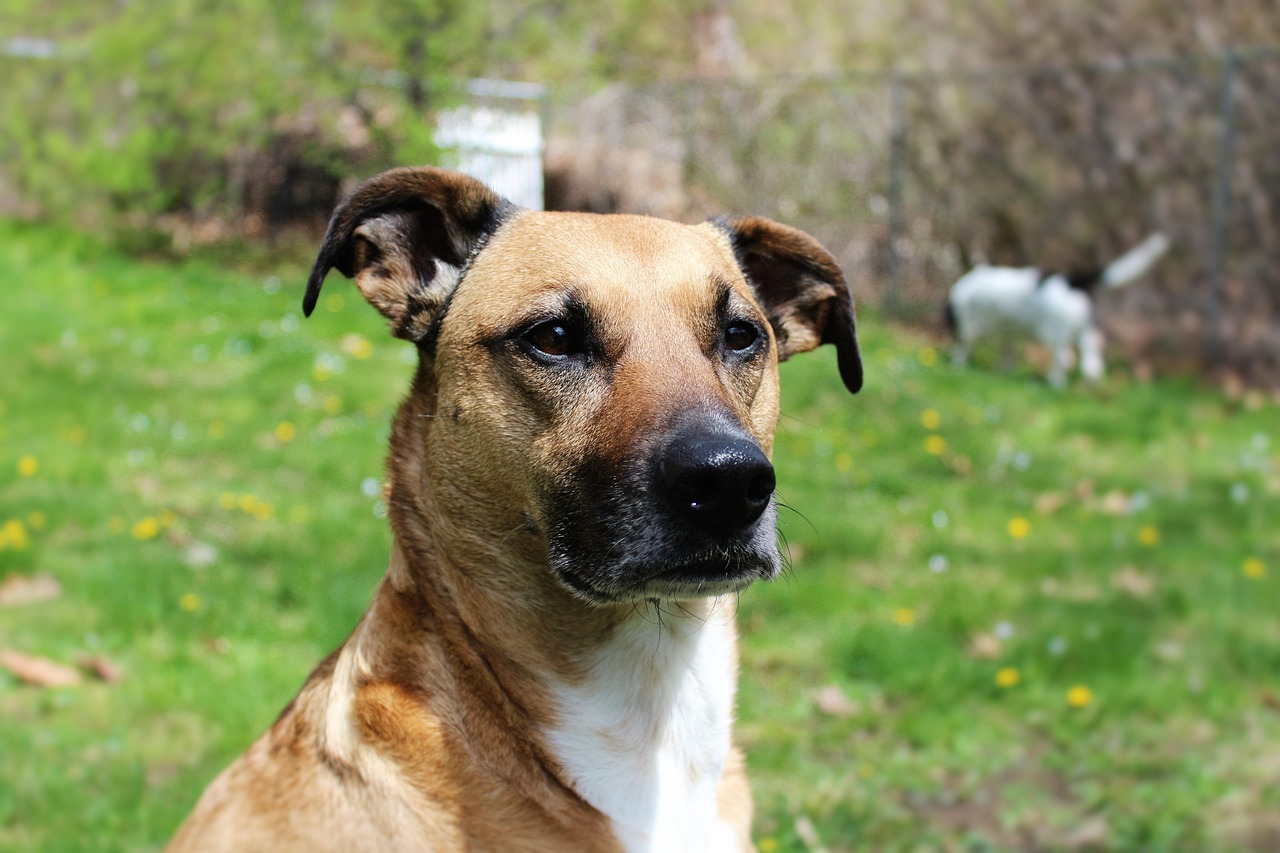

How to Prepare Your Home for a Rescue Dog Foster
Fostering a rescue dog is a rewarding experience that requires some preparation. Before bringing a furry friend home, it’s essential to assess your living space to ensure a comfortable atmosphere. Start by dog-proofing your home. This means removing any hazardous objects, such as electrical cords, small items that can be swallowed, or toxic plants. Additionally, secure any areas you don’t want your foster dog to access, such as stairways or delicate furniture. Consider purchasing baby gates to block off certain areas and help your new pet feel secure while they adjust. Make sure to designate a specific area for the dog, such as a cozy bed in the living room or a quiet corner in the bedroom. Create a functional space that meets your dog’s needs for rest and relaxation. Stock up on essential supplies, including food, water bowls, toys, and grooming tools. Regular visits to the vet are crucial for your foster dog’s health. Keep this in mind while preparing your home, as having everything organized will make the entire experience smoother for you and your new companion, fostering a successful transition.
Next, it’s essential to establish a routine for your new foster dog. Dogs thrive on consistency, and a predictable schedule will help them feel comfortable in their new environment. Start by setting regular feeding times, walks, and playtime. When you bring your foster dog home, follow this schedule closely to create familiarity. Every dog comes with its own personality and past experiences, contributing to how they adjust to their new space. Therefore, patience is fundamental. Your foster dog may be anxious initially; allow them to explore at their own pace. Reinforce positive behavior with affection and treats. Building a bond with your new buddy will take time, but it will enrich the fostering experience significantly. Make it a point to socialize them gradually, introducing them to family members, other pets, and different environments as they become more comfortable. It is critical to observe your dog’s reactions during this process. Look for signs of anxiety, fear, or hesitation. The goal is to develop trust, and this trust will enhance the happiness of both you and your foster dog.
Essential Supplies for Your Foster Dog
Before bringing your foster dog home, gather important supplies to make their transition smooth and comfortable. Some essential items include food and water bowls, a high-quality dog bed, and grooming supplies. Depending on the dog’s size, you might also need a crate for training and security. Choose toys that offer mental stimulation, like puzzle toys or safe chew toys. Additionally, consider getting a collar or harness paired with an identification tag. While fostering, maintaining proper health is vital, so ensure you have access to the necessary veterinary care. When your dog arrives, it’s essential to establish a proper diet. Consult your veterinarian or rescue organization for recommendations on high-quality dog food appropriate for your foster dog’s age and size. Each breed has unique nutritional needs, so it’s crucial to address these. Initially, you may want to keep your dog’s diet consistent with what they were previously eating before your intervention. Gradually, introduce any new food you may want to switch them to, ensuring to monitor their responsiveness to gradual changes in diet. This preparation is key for their overall health.
Understanding your rescue dog’s background is another critical step in preparing your home. Many dogs have experienced trauma, leading to fear or anxiety. Reach out to the rescue organization for any pertinent information regarding your foster dog’s history. Knowing their likes, dislikes, and past experiences will guide you in creating a supportive environment. This knowledge is essential when determining how to approach training as well. Finding a balance between setting boundaries and offering affection is crucial for their development. A formal introduction to your home is also paramount. When you first bring them home, allow your dog to survey their surroundings freely while keeping your space calm. If you have existing pets, make introductions gradual and supervised to avoid overwhelming your new dog. Carefully observe how they interact with one another, ensuring everyone feels comfortable. Furthermore, consider the environment as a whole – muted lighting and minimal noise can significantly reduce anxiety. Providing a cozy, quiet spot for your foster dog can aid their adjustment process. Creating a haven for them in your home is integral to their comfort.
Safety Measures for Your Home
Implementing safety measures is vital when fostering a rescue dog. The well-being of your foster pet should always be the top priority. Start by conducting a thorough inspection of your home, ensuring that any harmful chemicals or dangerous household items are out of reach. Place any toxic cleaning agents, medications, or potential choking hazards in locked cabinets. This precaution protects your furry friend as they explore new surroundings. Additionally, keep hazardous plants out of reach or consider removing them altogether if they pose a threat. Outside your home, ensure that your yard is securely fenced. Check for any gaps where a curious dog might escape, and take the necessary steps to repair any weak spots. Ensure gates are locked and always supervise your dog when outside, especially in unfenced areas. Moreover, it’s wise to familiarize yourself with local veterinarians and emergency clinics prior to fostering. Situational preparedness is crucial, as it can save precious time in emergencies. Ensure you have a safe, quiet area for your dog during gatherings or exciting occasions, mitigating potential stress and anxiety.
Another critical aspect of fostering is understanding the importance of training. Every dog requires some form of training, whether it’s basic commands, house training, or behavioral adjustments. Start with basic commands like sit, stay, and come, using positive reinforcement. Treats and praise are effective motivators, reinforcing good behavior. Be patient, as some rescue dogs might require more time to grasp training concepts. Consistency is key, and working on training daily, even for short periods, fosters a stronger bond. Additionally, consider taking an obedience class tailored for rescue dogs. Involvement in group classes can enhance socialization and help your foster dog feel more comfortable around other pets and people. During these classes, work on building confidence with basic skills while establishing a good foundation for ongoing training. Connecting with a local animal trainer can provide insights into specialized techniques suited for your foster dog’s needs. Each dog’s personality varies, thus tailoring your approach enhances their learning experience. Your dedication to training will ultimately contribute positively to their well-being and prepare them for a loving forever home.
The Emotional Needs of Your Foster Dog
Lastly, addressing the emotional needs of your foster dog is vital in creating a nurturing environment. Understand that rescue dogs may carry emotional baggage due to previous traumas. It’s essential to provide a safe space that promotes trust and security through affection and gentle interactions. Respect your foster dog’s boundaries, allowing them to approach you at their own pace. This mindful approach can significantly decrease anxiety, making the transition smoother for both of you. Being attentive to their body language is paramount; wagging tails signify happiness, while cowering may indicate fear. Additionally, implement routine activities that promote bonding, such as leisurely walks, playtime, or cuddling on the sofa. These activities foster trust and deepen your emotional connection. Introducing them to various social situations gradually, while ensuring they feel safe, will also help in building their confidence. Your patience and understanding during this period are essential, as each dog’s journey is unique. Encourage positive experiences through love and support, ultimately empowering your foster dog to thrive in both their newfound environment and possibly their forever home.
As you embark on this journey of fostering a rescue dog, remember that you’re not just providing a temporary home but also a chance for healing and transformation. Each of these steps – preparations, establishing routines, essential safety measures, and addressing emotional needs – work together to create a nurturing environment. Your efforts are crucial for promoting trust, confidence, and a sense of belonging in your foster dog. While the process can sometimes be challenging, the joy of seeing your foster dog flourish and grow will undoubtedly make it worthwhile. Fostering is not merely about housing a dog; it’s about being part of their journey to finding a permanent home where they can thrive. Each successful step you take benefits not only the dog you foster but also the wider rescue community. Every effort counts towards changing lives for the better, making it imperative to stay informed about the well-being of your pet. So, prepare your home, educate yourself, and invest time in understanding the nuances of fostering. Your heart and home are about to expand in remarkable ways, creating beautiful memories with the furry companions you help.