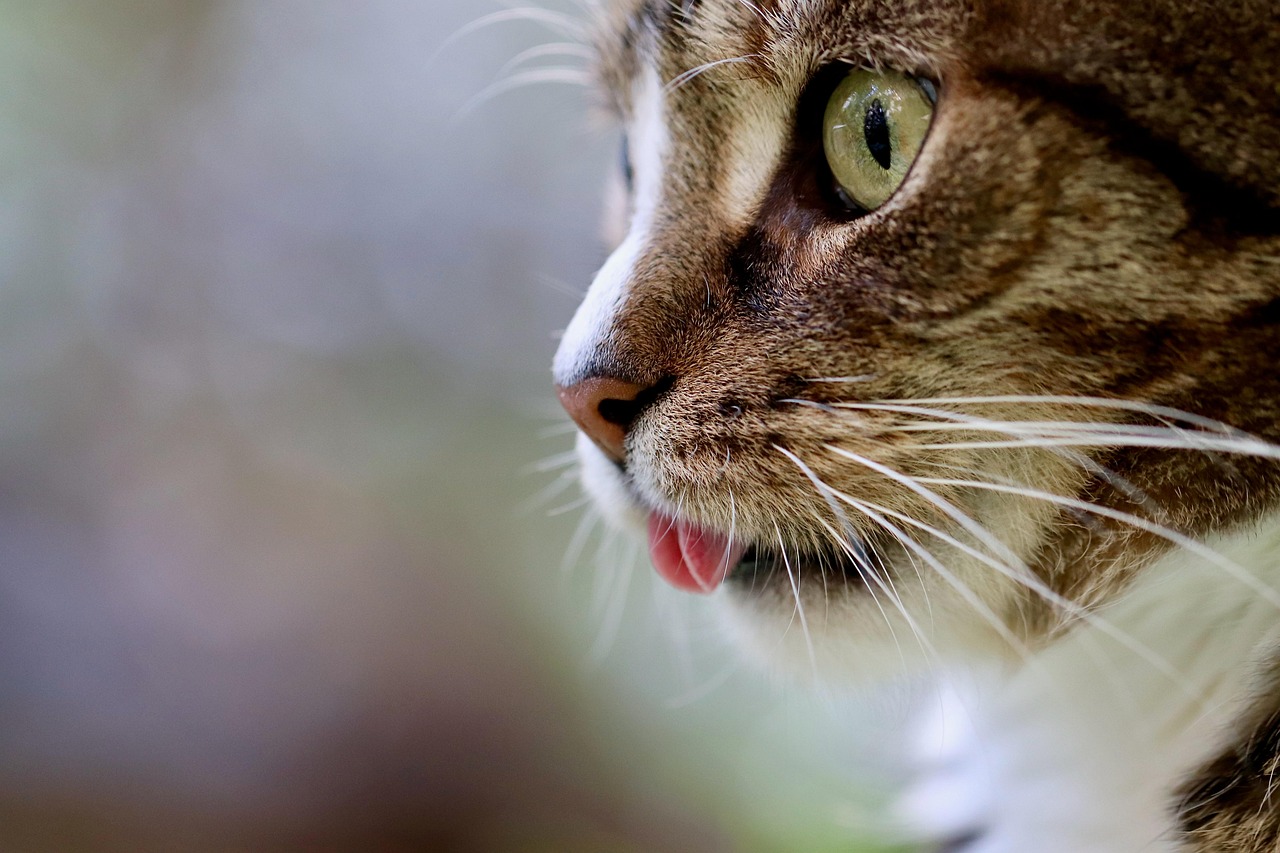

How to Prevent and Treat Seborrhea in Cats
Understanding seborrhea in cats is essential for pet owners. This skin condition can manifest as excessive flaking or oily skin. Seborrhea is often caused by underlying health issues, including allergies, parasites, or hormonal imbalances. Recognizing the signs early can help in prompt treatment. Symptoms may include persistent scratching, redness, and an unpleasant odor. If you notice these symptoms, it’s crucial to consult a veterinarian for proper diagnosis and treatment. Your vet may perform skin tests, do blood work, or look for signs of fleas or mites. Remember, treating the underlying cause is key to successful management. A thorough examination will determine if seborrhea is primary or secondary to another condition. Once diagnosed, appropriate treatment options, such as medicated shampoos, can be prescribed. Regular bathing with appropriate shampoo can help alleviate symptoms, but it should be done cautiously to avoid skin irritation. Always follow your veterinarian’s recommendations regarding frequency and type of shampoo. In some cases, a change in diet or the addition of supplements may be suggested to improve skin health and reduce symptoms.
Another important aspect of managing seborrhea in cats is maintaining good overall hygiene. Regular grooming is essential to keep your cat’s skin and coat healthy. Brushing your cat frequently helps eliminate dead skin cells and distributes natural oils throughout the fur. By doing this, you can prevent excessive buildup of dandruff or oil. Additionally, keeping your cat’s environment clean is vital. Regularly wash your cat’s bedding, toys, and grooming tools to minimize exposure to allergens and irritants. Consider using hypoallergenic cleaning products to maintain a safe space for your feline friend. It’s also helpful to keep humidity levels balanced in your home, as dry air can irritate the skin further. Pay attention to food allergies or sensitivities that may contribute to skin issues. Transitioning to high-quality, grain-free cat food may improve skin health. Some options include diets rich in omega-3 fatty acids and antioxidants, which support skin and coat health. It’s always best to consult with a veterinarian before making dietary changes. Monitoring your cat’s response to food changes can lead to better skin condition and overall health.
Treatment Methods for Seborrhea
Treating seborrhea involves a combination of approaches, focusing on both topical and systemic solutions. Medicated shampoos are often the first line of treatment. These shampoos typically contain ingredients like salicylic acid, benzoyl peroxide, or sulfur, which can help reduce scaling and inflammation. Bathing your cat with these shampoos can be beneficial, and it’s important to follow your vet’s guidelines regarding frequency. In some cases, topical treatments, such as ointments or sprays, may also be recommended. These can help soothe irritated skin and reduce itching. Additionally, your veterinarian might prescribe oral medications if seborrhea is severe or caused by underlying conditions. Anti-inflammatories or antibiotics can help if there is a secondary bacterial infection present. Monitoring your cat’s response to treatment is crucial for adjusting the plan as needed. Always inform your vet about any changes in your cat’s condition or behavior during treatment. Regular follow-up appointments may be necessary to evaluate the effectiveness of the chosen treatment plan. Addressing any concurrent health issues is essential in preventing recurrences of seborrhea.
In addition to veterinary care, some pet owners find success with natural remedies to manage seborrhea. Ingredients like coconut oil can be beneficial for moisturizing your cat’s skin and reducing flakiness. Adding omega fatty acid supplements to your cat’s diet may also lead to improvements in skin condition. However, it is crucial to consult your veterinarian before introducing new products or supplements. They can ensure that these remedies are safe and effective for your cat’s specific health needs. Avoid using any over-the-counter products not approved by your vet, as some may contain harmful ingredients. Essential oils can be potent and irritating for pets, so use caution with these. Regular monitoring of your cat’s condition at home will provide insights into how well the chosen remedies are working. If you notice any worsening symptoms or side effects, seek veterinary guidance. Make sure your cat is comfortable and not exhibiting signs of discomfort to ensure their overall well-being. Creating a stress-free environment can also positively impact your cat’s skin health and recovery process.
Overcoming Common Misconceptions
Many misconceptions surround seborrhea in cats, which can lead to misunderstandings among pet owners. One common myth is that seborrhea is solely a sign of poor hygiene. While hygiene plays a part, it is not the only factor. Factors such as genetics and underlying health conditions are often at play as well. Another misconception is that it can be completely cured with one treatment. In reality, managing seborrhea is an ongoing process requiring consistent care and monitoring. A single treatment may provide temporary relief, but long-term management is often necessary. Seborrhea symptoms can also fluctuate depending on environmental changes, so vigilance is critical. Another myth involves diet; some owners believe that typical cat food is sufficient for all cats. However, individual dietary needs may vary, especially for cats prone to skin conditions. High-quality food tailored to your cat’s specific needs is vital for their skin health. Always discuss your cat’s dietary choices with your vet for the best recommendations. Understanding these misconceptions can help prevent delays in treatment and lead to better outcomes for cats with seborrhea.
Preventing seborrhea in cats involves a proactive approach to your cat’s overall health. Regular veterinary checkups are essential to catch any underlying conditions early. Vaccination and parasite control play a critical role in keeping your cat healthy and preventing skin issues. Discuss with your vet about the best flea and tick prevention products available. Regular grooming and bathing can also help prevent skin problems from developing. Introduce a structured grooming routine that suits your cat’s comfort to avoid causing stress. Environmental factors, such as humidity and temperature changes, should be monitored closely for their effects on your cat’s skin. Avoid exposing your cat to known allergens whenever possible. Diet is also an essential component of skin health; providing a balanced diet will contribute significantly to preventing skin issues. Make sure you’re selecting high-quality cat foods that meet nutritional guidelines. After all, a healthy cat will likely have fewer skin problems than one with poor dietary habits. Staying informed about cat health issues, including seborrhea, can help you take proactive steps for your beloved companion.
Conclusion
In conclusion, preventing and treating seborrhea in cats requires a comprehensive understanding of the condition and its management. Consult with a veterinarian for accurate diagnoses, treatment recommendations, and follow-up strategies. Ensure you maintain good hygiene, regular grooming, and a balanced diet. Keep vigilant for any signs of skin problems and act promptly if they arise. Communicate openly with your vet about any changes you observe in your cat’s skin condition throughout treatment. Natural remedies can complement medical treatments but should be overseen by a professional. Most importantly, maintaining your cat’s overall health through regular vet visits will contribute to effective prevention against seborrhea and other skin conditions. Awareness of common myths also helps in better management, enabling you to provide a healthier life for your pet. Every cat is unique, and their skin health needs may vary. Tailor your approach based on professional advice and, most importantly, the specific needs of your cat. Together, you and your veterinarian can develop a comprehensive plan to keep your cat free from seborrhea and thriving.
By educating yourself about seborrhea in cats and staying proactive, you can ensure your beloved pet has a healthier, happier life. Don’t hesitate to reach out on online forums or pets community websites for more resources and support. Engaging with fellow cat owners can provide additional tips and shared experiences in managing skin conditions. Resources such as Veterinary Partner can be invaluable when researching health issues affecting your feline companion. Always prioritize professional veterinary advice over anecdotal information. In summary, an informed pet owner is the best ally to their cat in preventing and treating seborrhea. Working closely with a veterinarian, you can explore a wide range of treatment methods, from medicated baths to dietary adjustments, tailoring each to suit individual needs. Keeping stress levels low and maintaining a clean environment, alongside regular checkups, will support your cat’s overall health. Remember, loving your pet includes ensuring their physical well-being, especially when dealing with chronic conditions like seborrhea. With the right mindset, you can tackle these challenges and ensure your cat enjoys a life full of comfort and well-being.