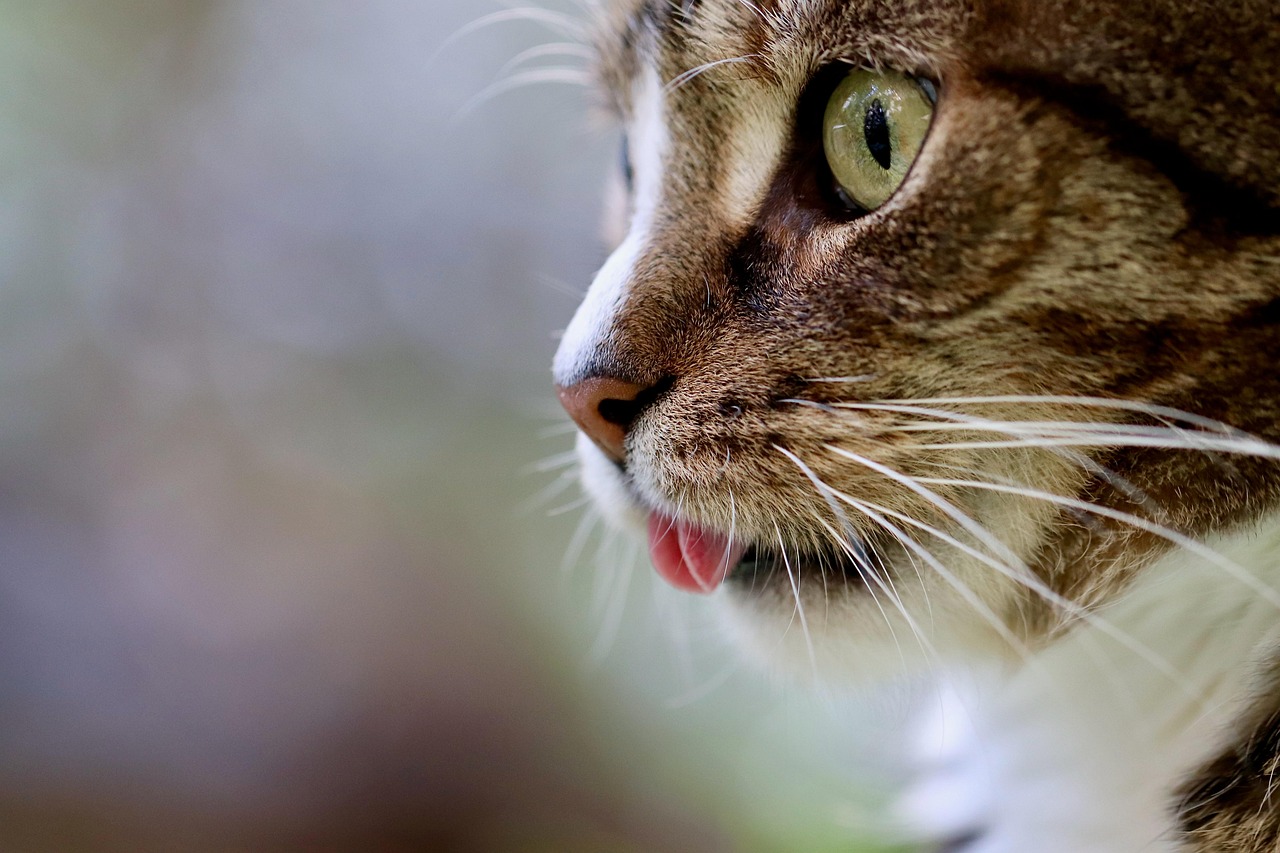

Medication Options for Cats Suffering from Obsessive-Compulsive Disorders
Cat obsessive-compulsive disorder (OCD) is a debilitating condition that affects their quality of life. Behavioral problems, such as excessive grooming, can result from anxiety, stress, or frustration. Medications can play a crucial role in treating these conditions, often alongside behavioral therapy. The primary goal is to decrease anxiety while modifying undesirable behaviors. Various medications are available to help manage these symptoms effectively in your feline friend. Before proceeding with medication, it’s vital to consult a veterinarian to ensure a proper diagnosis. The right medication can greatly improve your cat’s behavior and overall well-being. Always follow your veterinarian’s guidance regarding dosage and administration of any prescribed medications. Monitor your cat closely for any side effects or behavioral changes. Medications must be combined with a tailored behavior modification plan for lasting results. In some instances, a multi-faceted approach works best in alleviating symptoms. Keeping your cat’s environment enriched and stress-free can significantly complement any treatment received. The synergy of medication and environmental improvements paves the path to recovery and relaxation. Going forward, let’s explore specific medication options available for managing cat OCD.
Common Medications for Feline OCD
Selective serotonin reuptake inhibitors (SSRIs) are often recommended as first-line medications. They enhance serotonin levels in the brain, helping reduce anxiety and compulsive behaviors. Common SSRIs prescribed for cats are fluoxetine and sertraline. These medications may take several weeks to show effectiveness, requiring consistent administration. Side effects of SSRIs can include lethargy, decreased appetite, or gastrointestinal upset. Monitoring your cat during this period is crucial to address any issues promptly. Another category of medication includes tricyclic antidepressants (TCAs), such as amitriptyline and clomipramine. These drugs have proven efficacy in treating anxiety and OCD behaviors. Like SSRIs, they also require time to yield results. Side effects may consist of sedation or urinary retention. Consult your veterinarian before starting these medications, noting any additional health conditions your cat may have. In specific cases, benzodiazepines may also be prescribed for short-term anxiety relief, especially during acute episodes. These drugs work quickly but can lead to dependency if used long-term. Overall, finding the right medication requires a veterinarian’s expertise and often involves trial and error. Collaborative decision-making ensures appropriate treatment tailored specifically to your cat’s needs.
Behavioral Therapy: A Complementary Approach
While medication plays a vital role in managing feline OCD, behavioral therapy is also essential for long-term success. Training can help your cat unlearn compulsive behaviors, integrating positive reinforcement strategies. A consistent approach to reinforcing good behavior will help redirect focus away from obsessive actions. In many cases, employing environmental modifications is beneficial. Create a safe sanctuary for your pet, minimizing triggers that may cause stress and anxiety. Interactive play sessions can significantly improve your cat’s mood, alleviating stressors causing OCD behaviors. Enriching their environment with toys and safe perches will promote healthier behaviors and mental health. Understand your cat’s triggers through observation, tailoring interventions accordingly. Working with a certified animal behaviorist may greatly enhance success rates. They can devise a personalized behavior modification plan based on your cat’s specific symptoms and environment. Ongoing communication with both your veterinarian and a behavior specialist will allow for adjustments as needed. Integrating behavioral therapy with medication will often provide the best results in treating cat OCD. Patience and persistence are crucial, as behavioral changes can take time. Together, medication and behavioral therapy create a comprehensive approach to improving your cat’s mental health.
Maintaining an open line of communication with your veterinarian is integral to monitoring your cat’s progress. Regular check-ups will allow you to discuss the effectiveness of the current treatment strategy. Adjustments to medication dosages or behavioral plans may be necessary to ensure optimal outcomes. Keeping a diary of your cat’s behavior patterns can help track changes over time. Detailed records will facilitate discussions with your vet, offering insights into what works and what doesn’t. If side effects manifest, report them immediately to your vet so they can address the situation. Don’t hesitate to ask for clarification on any medication or behavioral strategy discussed with your veterinarian. This partnership is vital for ultimately finding the appropriate treatment. Alongside ongoing therapy, consider alternative treatments can enhance overall well-being. Natural supplements, like omega fatty acids, may help support mood and anxiety levels in cats. Anxiety-reducing products such as pheromone diffusers can create a calming environment. Exploring holistic approaches alongside veterinary recommendations can underscore the commitment to your cat’s mental health. Never administer over-the-counter medication without a veterinary directive, as this can jeopardize your pet’s health. Always keep their best interest in mind as you navigate treatment options.
Understanding that treatment for feline OCD is a journey, not a sprint, is vital to your cat’s well-being. There is no one-size-fits-all solution, as different cats have unique needs and responses to treatment. Your patience and sustenance through the process will not only benefit your pet but enrich the bond you both share. As symptoms improve, maintain vigilance to ensure the compulsive behaviors do not return. In some cases, lifelong treatment may be necessary to keep the symptoms at bay. Collaborate with your veterinarian to determine the suitability of long-term medication use. Lifelong monitoring may be needed as your cat ages, which could affect how they respond to therapy and medication. Establishing a routine that includes regular veterinary visits can help proactively address any emerging needs. Remain attentive to your cat’s condition, as changes may indicate stress or the need for adjustments in their treatment plan. Remember that recovery is attainable with proper care, love, and determination. Celebrate even the smallest improvements in your cat’s behavior as it reinforces the positive changes implemented in their lives. With a committed approach, your cat can lead a fulfilling, stress-free life despite OCD challenges.
Conclusion: A Positive Outlook for OCD Treatment
In conclusion, medication is an effective avenue to explore when dealing with obsessive-compulsive disorders in cats. With various options available, consultation with a veterinarian is paramount to finding the most suitable treatment. Combining medication with behavioral therapy yields the best outcomes, addressing both the psychological and behavioral aspects of the disorder. Always remember to maintain an enriched environment for your kitty, as this greatly aids recovery and emotional stability. The synergy between proper medication, behavioral modification, and lifestyle changes can foster a brighter future for cats suffering from OCD. Changes may not appear immediately, but perseverance and patience will ultimately lead to progress. Each cat’s journey is unique; keep a close eye on their responses to medication and adjust as necessary. Continuous monitoring and adaptability are vital for success in managing feline OCD. Celebrate improvements along the way, reinforcing positive behavior and ensuring your cat’s sense of security and comfort. By tackling OCD head-on, you pave the way for better mental health and quality of life for your beloved feline companion. Through love, care, and professional guidance, hope shines brightly for cats suffering from obsessive-compulsive disorders.
Understanding feline OCD is the first step towards helping your cat. Through diligent medication management and behavioral strategies, your feline friend can thrive and enjoy a happier, healthier life. Make thoughtful decisions based on your pet’s needs after discussing thoroughly with your veterinarian. There is always light at the end of the tunnel. Pet owners must be educated on the implications of these medications, their potential side effects, and the importance of regular check-ups. Each development should reflect a commitment to their health. In conclusion, always focus on creating a peaceful environment and nurturing the bond between you and your pet through positive reinforcement. Implementing everything learned here can make a significant difference in your cat’s life. Celebrate milestones in recovery and maintain hope. Trust the process, and your persistence will pay off, allowing your beloved feline companion to flourish. With time, adaptation, and expert supervision, many cats can overcome these challenges and lead satisfying lives. By prioritizing mental health, you give your pet a fighting chance against complications associated with obsessive behaviors.