
Seasonal Shedding: When to Worry About Your Cat’s Fur Loss
Cats naturally shed fur throughout the year, but seasonal shedding can vary with environmental changes. During these times, many cat owners notice increased fur loss, especially in spring and fall. Understanding this process is vital to ensure your cat’s health remains optimal. Seasonal shedding is an adaptation mechanism for felines; they grow warmer coats during winter and lighter ones in summer. However, excessive shedding can be a concern and may require a closer look. Make sure to observe and identify patterns in your cat’s shedding habits. If you notice your cat losing more hair than usual, it might be worth investigating further to rule out underlying health issues. Regular grooming can help manage loose fur and reduce matting, while also promoting healthy skin. Remember that age, breed, and overall pet wellness play significant roles in how much fur your feline companion sheds. Taking proactive measures can make the shedding season more manageable while ensuring your cat stays happy and healthy. Consulting with your veterinarian is recommended when unusual shedding occurs. This will help determine if your cat needs special care or intervention to address skin conditions or allergies.
In addition to the natural cycle of shedding, diet plays a crucial role in your cat’s coat health. A balanced diet rich in essential fatty acids, vitamins, and minerals is key for maintaining a healthy skin and coat. When cats lack specific nutrients, they may experience increased shedding and other skin problems. Meat-based proteins are vital as they support overall wellness and promote the thriving coat. You can enhance your cat’s diet by including high-quality commercial cat foods that contain omega-3 and omega-6 fatty acids. If you’re interested in more natural alternatives, certain fish and oils can also benefit your cat’s fur condition. Always consult with your veterinarian before making significant changes to your cat’s diet, particularly if you suspect issues related to seasonal shedding. They can help tailor the best nutritional plan for your pet, ensuring that its nutritional needs are met adequately. You can also supplement your cat’s diet with specific vitamin gels or treat options designed to support skin and coat health. However, it is essential to introduce new foods gradually to avoid digestive issues. Note that improving nutrition can lead to visible improvements in coat quality over time.
Recognizing Seasonal Shedding Signs
Recognizing the signs of seasonal shedding helps you differentiate between normal fur loss and potential health concerns. Common indicators of excessive shedding beyond the typical seasonal pattern include bald patches, irritation, or redness on the skin. If your cat’s shedding is accompanied by behavior changes, such as itching or excessive grooming, this could signal an underlying issue. Cats typically groom themselves, but when they do it excessively, it can lead to further fur loss and skin damage. Ensure your cat isn’t experiencing stress, as this can also trigger abnormal shedding. Environmental factors such as temperature fluctuations, humidity, and allergens can contribute to changes in fur loss as well. Watching your cat’s behavior and physical health can provide valuable insights into when to worry about shedding. If you observe unusual changes, consult with your veterinarian promptly. A thorough examination can help pinpoint any issues such as allergies, infections, or hormonal imbalances that may be affecting your cat’s coat and overall well-being. Understanding your cat’s shedding patterns can assist in managing their grooming and health needs effectively.
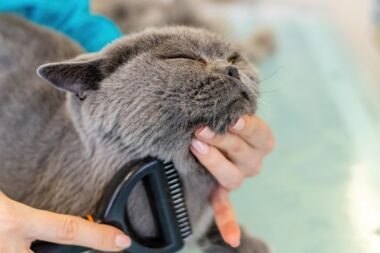
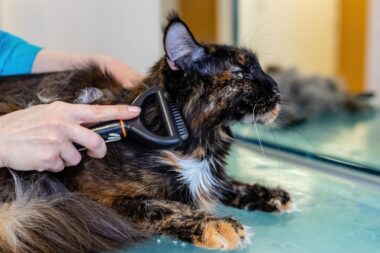
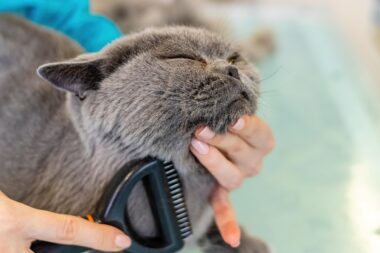
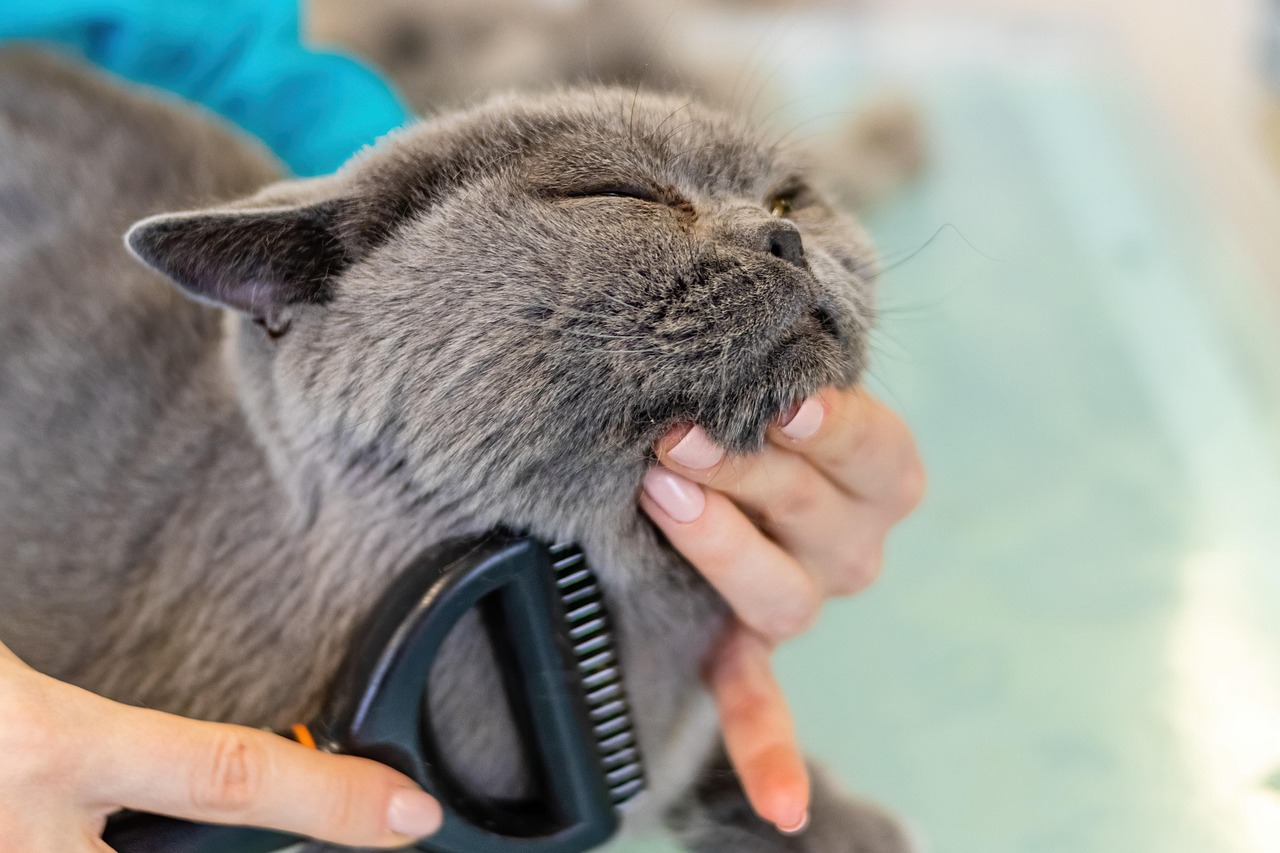
Regular grooming during shedding seasons is an essential step in maintaining your cat’s coat health. Brushing your cat often helps remove loose hair, reducing the amount shed inside your home and preventing matting. Cats with long hair may require daily grooming sessions, while short-haired breeds might need less frequent brushing. This routine will not only help control loose fur but also promote better circulation and distribute natural oils throughout their coat. As you groom your cat, watch for any unusual lumps or growths on their skin. Use gentle brushes suited for your cat’s coat type to ensure comfort while detangling. By making grooming a positive experience, you can help your cat enjoy these sessions instead of seeing them as a chore. Furthermore, consider environmental enrichment during grooming, such as treats or quiet time, to strengthen your bond with them. Should your cat resist grooming, finding methods to soothe and calm them is helpful. Sometimes, a change in grooming tools can make a difference. Keeping up with grooming can be beneficial not only for managing shedding but also for providing a calming, bonding activity between you and your feline friend.
Hydration and Shedding
Hydration significantly influences your cat’s skin and coat quality. Proper hydration keeps your cat’s skin elastic and resilient, which can ultimately reduce shedding. During the shedding season, ensure your feline friend has access to fresh, clean water at all times. Cats are sometimes slow to drink, so you may want to encourage hydration with methods like providing wet food or using a pet water fountain. Wet food often boasts higher moisture content, contributing positively to your cat’s hydration levels. Monitoring your cat’s daily water intake is crucial, as consistently low intake can lead to dehydration and associated coat issues. If your cat shows signs of dehydration, such as lethargy or dry gums, consult with your veterinarian. Regular vet check-ups can aid in managing hydration and dietary needs. If your cat is unwilling to drink, consider exploring various food textures or flavors until they find one they prefer. Remember, keeping your cat hydrated is an essential step to minimize seasonal shedding while promoting optimal health. Establishing a routine and incorporating more water-rich food options can greatly benefit your cat over time.
Another critical aspect of managing seasonal shedding in cats is understanding potential allergies. Allergies can manifest during specific seasons, which often leads to increased scratching and fur loss. Common allergens include pollen, dust, and certain food ingredients that can irritate your cat’s skin and contribute to shedding. Pay attention to your cat’s grooming habits during these times; if they seem uncomfortable or pestered, allergy testing might be necessary. Consult your vet for suggestions on allergy management strategies, including possible dietary changes or medications that can alleviate symptoms. Regularly cleaning your home can also assist in reducing allergens present, helping your cat breathe easily. Consider using air purifiers and frequently changing your cat’s bedding to minimize their exposure to allergens. If you suspect that allergies are a contributing factor, early intervention can help maintain your cat’s coat health while effectively addressing the underlying causes of shedding. Keeping your home environment clean will not only benefit your cat’s fur condition but also contribute to their overall well-being.
Conclusion: Maintaining a Healthy Shedding Routine
Seasonal shedding is a natural occurrence among felines, yet understanding when to be concerned is crucial for their well-being. By recognizing normal patterns and possible health issues, you can provide appropriate care to manage fur loss in your cat effectively. Nutrition, hydration, and regular grooming are integral in maintaining a healthy coat throughout the changing seasons. Should you notice excessive shedding, emphasizing a balanced diet, hydration, and effective grooming can help maintain skin and coat health during these times. Additionally, recognizing signs of potential allergies can aid in addressing conditions causing discomfort or fur loss. Regular veterinary check-ups ensure any concerns regarding your cat’s coat or overall health are monitored. Being proactive in your cat’s care can make all the difference during heartwarming spring days or chilly autumn evenings. Whether you seek advice from pet professionals or rely on established routines, your commitment toward your cat will create a healthier shedding experience. Monitoring their habits, grooming regularly, and providing a suitable environment will ensure that you and your feline companion enjoy every season together.
Understanding your cat’s shedding patterns, combined with care and attention, will cultivate a happy and healthy environment for both animal and owner. By actively engaging with your cat’s grooming needs during shedding seasons, you can strengthen your bond and make the experience enjoyable for both. Ensuring your cat is eating well, drinking enough water, and receiving proper veterinary care will support their coat’s health, positively impacting their overall quality of life. Embrace the seasonal change while monitoring your pet closely, facilitating proactive adjustments as needed. Your consideration and love will undoubtedly yield positive outcomes regarding your cat’s fur condition and emotional well-being. With the appropriate measures in place, you can alleviate the stress associated with seasonal shedding and contribute to a relaxed space for you and your feline. By fostering an understanding of your cat’s needs, you’re bound to find effective ways to support their health and happiness during seasonal transitions.