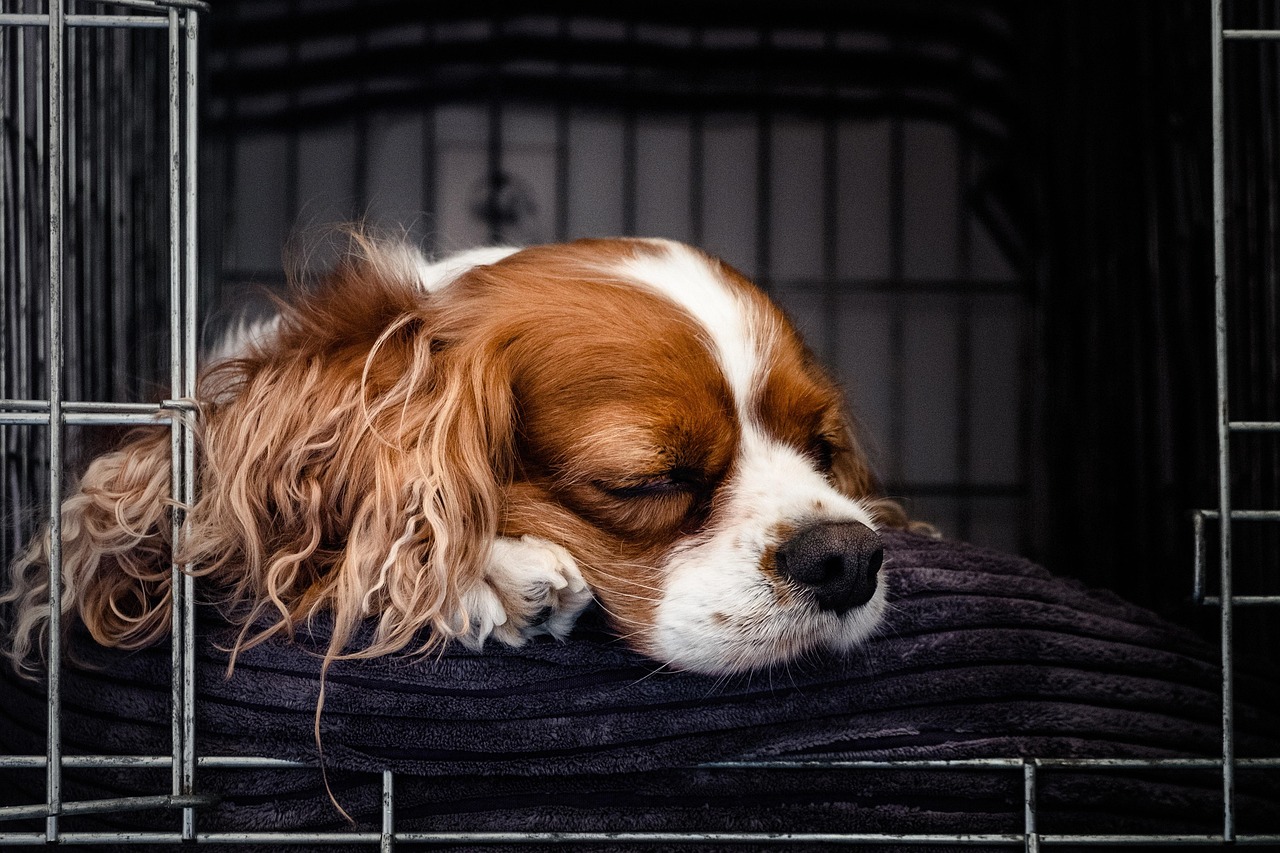

Signs Your Dog is Ready to Start Crate Training
Understanding whether your dog is ready for crate training is essential for a smooth transition. Crate training can offer a safe space for your dog, but recognizing the right time to start is vital. Watch for signs such as your dog showing interest in the crate. If they explore it willingly and spend time inside, it may indicate readiness. Additionally, observe their behavior during mealtime. If they feel comfortable eating in or near the crate, this can be positive confirmation. A dog that seeks comfort in confined spaces, like corners of rooms, often shows a predisposition for crate training. You can also look for signs of anxiety when left alone. If your dog frequently wheels themselves away and finds it hard to settle down when unstressed, they might benefit from a safe haven. Finally, age can be a factor; puppies usually start to adapt sooner than older dogs, typically around 8-12 weeks. It’s also wise to use creative reinforcement and treats to make the crate a positive space. Overall, these indicators can help you determine the right time to begin crate training your dog effectively.
Another important sign your dog is ready for crate training is their ability to hold their bladder. Puppies start to understand this concept from an early age. Ideally, they should be able to stay in the crate for a few hours without needing to relieve themselves. If you find your dog can consistently hold it for a reasonable period, it’s a good time to introduce them to the crate. A well-timed schedule of potty breaks can help them adjust to this new routine and minimize accidents inside the crate. Consistency is paramount in helping them succeed. When reinforcing the behavior, it’s also beneficial to encourage them to enter the crate calmly. Use a cue word or phrase, such as “go to bed,” to create a verbal command they can associate with the desired action. Make sure movements toward the crate feel gradual without forcing them inside. Gradually extending the time they spend in the crate will also help your dog feel comfortable and secure. Positive reinforcement through praise or treats can further assure your dog that this new experience is beneficial, leading to a positive relationship with their crate.
Recognizing Behavioral Signs
Behavioral signs often indicate when a dog is prepared for crate training. Pay attention to your dog’s tendency toward having their own space, as this can be crucial. Many dogs instinctively seek areas to retreat when they feel overwhelmed or are tired. If you observe your dog searching for a quiet corner or cozy spot, it suggests they may appreciate the security of a crate. Creating a positive association with the crate could strengthen this feeling. Ensuring that the crate is comfortable and filled with familiar bedding or toys can ease this adjustment period. Additionally, your dog should also have an established routine of a consistent schedule for feeding, exercise, and playtime. Stability in these areas typically provides a less anxious environment, making it easier for your furry friend to transition. Most importantly, watch for relaxation cues: if your dog lies down or appears at ease near the crate, that’s a strong indicator of readiness. Use this opportunity to provide additional comfort through positive reinforcement and short sessions inside the crate to build up their confidence. This gradual introduction greatly facilitates successful crate training.
Your dog’s general comfort level with training and new experiences will significantly inform their readiness for crate training. A dog that excels during basic obedience exercises might have a better foundation for adapting to crate training. If your pet has attended puppy classes or socialization exercises, they may find this new experience less intimidating and easier to embrace. Your dog’s past experience with various training routines can influence their willingness to engage with the crate. Also, consider any interactions they have had with confined spaces previously; positive experiences can lead to less resistance when introducing a crate. Introducing snacks or special toys solely used in the crate can create a sense of excitement and curiosity around this tool, fostering a constructive relationship. Also, transitional phases can affect their readiness; shifts in family dynamics, such as a move or changes in the household, can unsettle a dog. Assessing their behavior during these times can guide how to approach new training sessions, allowing you to adapt your methods accordingly. Timing and patience often become crucial components of a successful crate training process that respects your dog’s need for comfort and support.
Physical Signs of Readiness
Physical readiness also plays an important role in understanding when your dog is prepared for crate training. Notably, the dog’s age and physiological development can offer clues. Puppies that are older than eight weeks usually adapt to crate training better than very young infants. You want to observe their physical behavior; if they show signs of maturity or control over their movements, this can indicate preparedness. Taking note of how frequently they need to go outside can be an essential measurement of their growth. If they have gone through basic house training and can hold their bladder, they likely possess enough physical maturity for success. Another indicator is their reactions to various environments; if your dog seems calm and composed when confronted with new challenges, confidence is key. Ensure that when introducing the crate, it is properly sized so that your dog feels secure but not constrained. A crate that enables them to stand, turn around, and lie down comfortably encourages a feeling of safety. Ensuring that the crate meets size guidelines helps make this transition smoother, as physical comfort is fundamental in crate training success.
Socialization plays a pivotal role in your dog’s readiness to engage with crate training effectively. A well-socialized dog tends to adapt to new experiences more easily. Ensuring your dog becomes familiar with different situations and environments helps reduce anxiety when introducing a crate. They should be able to feel comfortable meeting new dogs, people, and sounds, which can significantly reduce the chances of negative experiences later on during training. Harnessing positive experiences during various stages of socialization is paramount. Allow your dog to explore their environment without over-stimulation. Gentle introductions to the crate during socialization outings can create a smooth transition. You might even find that they want to explore the crate as part of their surroundings. Utilize this time to build trust and encourage them to go in willingly using treats or praise. Sessions should remain short initially to avoid feeling overwhelmed. Over time, increasing these experiences while maintaining patience empowers your dog and leads to a more successful crate training journey. This underlying social framework is crucial, enhancing both their confidence and your relationship.
Building Trust with Crate Training
Trust is essential when considering crate training, as it defines your dog’s willingness to embrace the process. Connecting emotionally with your dog is paramount while introducing a crate. Establishing routines around their feeding schedule or playtimes can yield excellent outcomes. Associating crate training with regular activities will underscore its positive attributes. Start enabling positive associations, using their favorite treats or toys that they can enjoy inside the crate. Encouragement through praise, enhanced bonding, and a gentle approach can shift your dog’s perception from fear to security. Monitoring their feelings while inside the crate is vital; if your dog displays signs of anxiety, respond swiftly and compassionately. Make sure introductions are gradual, allowing them to explore at their own pace. For dogs that seem hesitant or frightened, placing their bed or blanket inside the crate might offer comfort. Providing plenty of time for acclimatization and positive reinforcement builds their trust in you. End each crate session on a high note, rewarding them for calm behavior. Consistent routines and gentle reinforcement cultivate a trusting atmosphere essential for successful crate training experiences.
In conclusion, recognizing the signs that your dog is ready to start crate training involves a comprehensive understanding of their behavior, comfort level, and readiness indicators. Each dog is unique and may exhibit different readiness cues, but by observing and interacting positively with your pet during key moments, you can successfully introduce them to crate training. This can enhance their experience while living with you in your home. Paying attention to their physical and emotional signals will guide you effectively. Using positive reinforcement strategies ensures that you are not only fostering the acceptance of the crate as a safe space but also enhancing your bond with your dog. Patience, consistency, and love are crucial elements for this training approach to resolve any apprehensions or fears your dog might have. Take the time to review your dog’s progress routinely, making adjustments as needed to their training schedules and environments. Crate training has widespread benefits, like providing a safe haven in your home for your dog, which ultimately encourages positive behavioral changes. With the right approach and understanding, both you and your dog will see lasting improvements from crate training methods.