
Top 10 Exercise Routines to Keep Your Senior Dog Active
Maintaining an active lifestyle is essential for senior dogs, promoting their overall physical and mental health. Engaging your senior dog in regular exercise routines can help keep their muscles strong, joints flexible, and weight in check. As a dog owner, it’s crucial to tailor activities to suit their energy levels and physical capabilities. Some gentle exercises can include short walks, indoor games, or swimming, which is ideal for dogs with arthritis. It’s important that you closely monitor your dog during these activities, ensuring they don’t overexert themselves. Incorporating playtime in safe environments can significantly enhance your senior dog’s spirits. Along with physical benefits, regular exercise also helps reduce anxiety and boredom. This is particularly true for older dogs that may experience cognitive decline with age. Engaging them in mental stimulation through puzzle toys can also supplement physical exercise, keeping their minds sharp. Always consult with your veterinarian before starting any new exercise routine, as they can provide tailored recommendations based on your dog’s health status and specific needs.
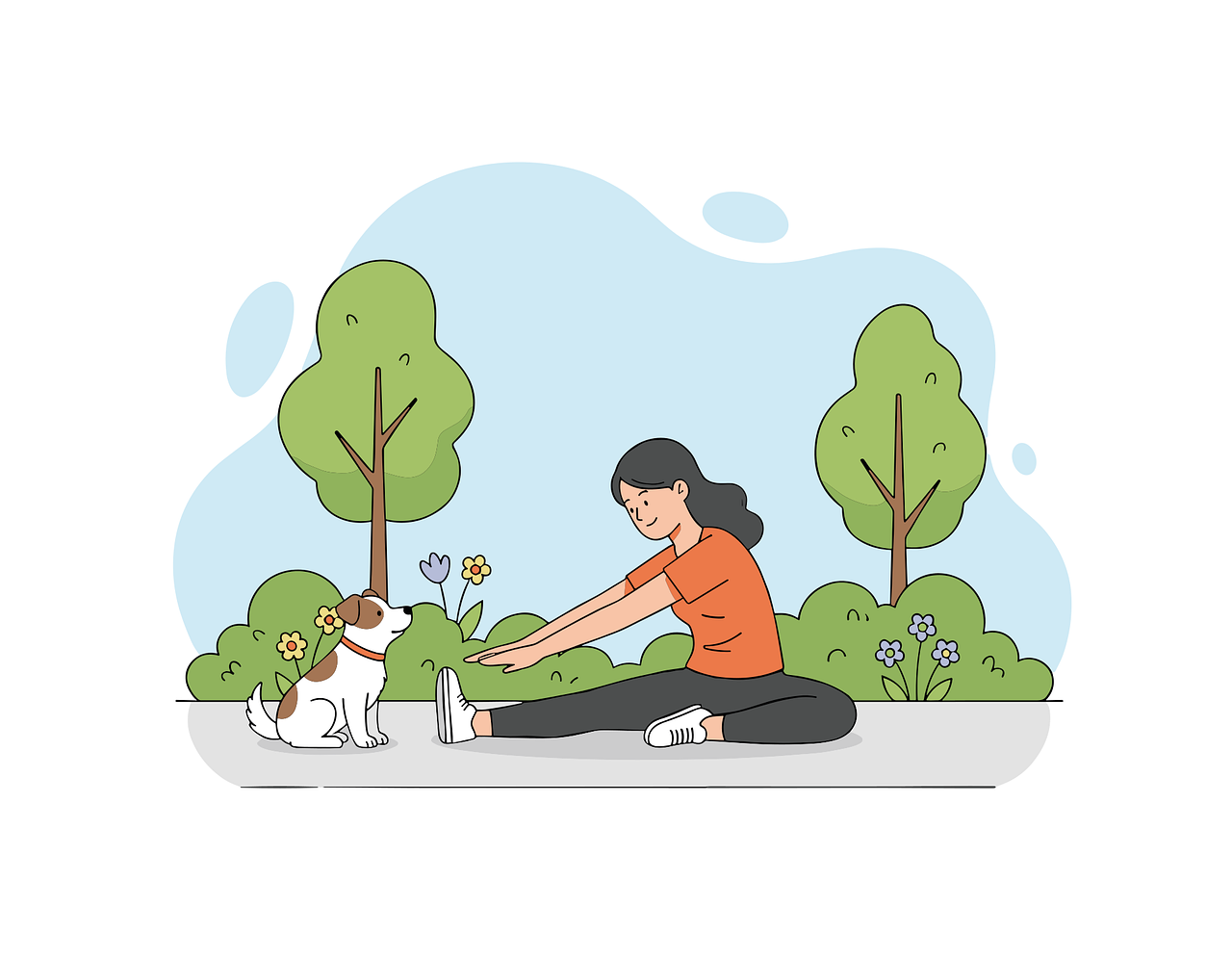
Walking is one of the simplest yet most effective exercises for senior dogs. Short, leisurely walks allow your dog to explore their environment while also getting much-needed physical activity. You can consider using a harness instead of a collar to provide better support for their neck, especially if they have any joint issues. Make sure to choose a safe route, avoiding busy or uneven terrains that could pose risks. Additionally, try to keep walks to about 15-30 minutes, adjusting the duration based on your dog’s energy levels. Allow them ample breaks to sniff around and catch their breath. It’s essential to maintain a regular walking schedule while being attentive to any signs of fatigue or discomfort. Always keep water on hand to keep your dog hydrated, especially during warmer days. Consider enriching the experience with varying locations to motivate them further. Engaging your dog in gentle stretching exercises after walks can also be beneficial, promoting flexibility and comfort. Overall, routine walks not only boosts your dog’s physical health but also strengthens your bond with them.
Swimming: A Low-Impact Choice
Swimming is a fantastic low-impact exercise for senior dogs, especially those with arthritis or mobility issues. This activity provides excellent cardiovascular benefits while reducing stress on their joints. Many dogs love the water and often feel more buoyant and relaxed when swimming. If you have access to a dog-friendly pool or a nearby lake, this offers an opportunity for your dog to swim freely. Always supervise your dog while they swim, as some may need assistance getting in and out of the water. You can also invest in a dog flotation device to enhance their safety. Start with short sessions, gradually increasing the time as your dog gains confidence. If your dog is new to swimming, you might consider using a shallow area before moving to deeper waters. After swimming, ensure your dog is dried properly, focusing on their ears to prevent infections. Incorporating swimming into your dog’s routine can be refreshing, especially during hot summer months. This also provides a great alternative to strenuous walking, allowing your senior dog to expend energy while remaining comfortable.
Interactive play is another excellent way to exercise and engage your senior dog. Options like tug-of-war with soft, non-abrasive toys or gentle fetch can stimulate both their body and mind. Choose toys that are easy for their teeth’s sensitivity, and encourage light play that doesn’t require too much jumping or running. Short bursts of activity tailored to your dog’s energy levels can be especially beneficial. Not only does this exercise help maintain their muscle tone, but it also fosters behavioral health and happiness. Setting a consistent play schedule can help structure your dog’s day, providing both you and your dog with quality time together. Even indoor play can be effective if outdoor activities are not feasible. Consider creating obstacle courses using boxes or small furniture for an engaging challenge. You can also incorporate food puzzles as an alternative that stimulates their brain. As always, monitor their responses during play to ensure they are enjoying themselves and aren’t overexerting. The joy of interactive play helps promote bonding between you and your dog.
Gentle Obedience Training
Incorporating gentle obedience training into your senior dog’s routine is another delightful way to exercise their minds and bodies. Engage in short training sessions that focus on basic commands like ‘sit,’ ‘stay,’ and ‘come.’ This form of exercise is mentally stimulating and can enhance your dog’s focus and social skills. Use positive reinforcement methods such as treats or praises to motivate them. Training not only helps keep them physically active but also strengthens your bond as you interact in a positive environment. Short sessions are crucial, as prolonged training can be tiring for older dogs. Additionally, refresh their training with tricks to keep things interesting and fun. This can also help improve their problem-solving skills. You might be surprised at how quickly a senior dog can pick up new commands, demonstrating their capability to learn at any age. Providing mental workout sessions in a familiar, calm environment will promote comfort while reducing stress or anxiety. This approach fosters a love of learning while keeping their minds sharp and engaged.
Exploring through light hiking is a superb way to exercise your senior dog, while simultaneously allowing them to experience the beauty of nature. Choose easy hiking trails with minimal elevation to maintain a comfortable pace for your dog. Ensure the path is safe and does not pose any obstacles that might be challenging for elderly dogs. Be attentive to signs of fatigue and take plenty of breaks to rest and hydrate. You can also take along some doggy snacks to reward their efforts during your hike. While exploring, allow your senior dog the opportunity to stop, sniff, and absorb their surroundings, which is a natural behavior for dogs. Bring along a friend or another dog to make the outing even more social, enhancing their overall enjoyment. Carrying a portable doggie water bottle can ensure that they remain hydrated. This not only enhances their mood but also elevates their overall outdoor experience. Nature provides the perfect backdrop for bonding and discovering together. Gentle hiking helps promote physical fitness while providing mental stimulation and emotional satisfaction.
Final Tips for Exercise Routines
As you engage your senior dog in various exercise routines, pay close attention to their individual needs and preferences. Establishing a consistent routine is essential, as older dogs thrive on predictability. Monitor their behaviors during activities, and be quick to adapt if you notice signs of exhaustion or discomfort. Introduce new activities gradually, allowing your dog time to adjust. Keep your sessions short and enjoyable, providing ample breaks to maintain interest and motivation. Consider weather conditions, as extreme heat or cold can affect their ability to exercise comfortably. Furthermore, ensure they have access to fresh water at all times. Checking in with your vet on suitable exercise plans can provide you with the reassurance needed to ensure your dog’s health. Lastly, remember to celebrate small achievements during exercises keeping their spirits high. Regular physical activity intertwined with fun activities fosters a happy, healthy lifestyle for your senior dog, promoting joy and longevity. With consistent care and attention, you can ensure that your senior dog leads a fulfilling life, staying active and content.
In conclusion, engaging your senior dog in various exercise routines is vital to their health and happiness. Incorporate activities like walking, swimming, interactive play, obedience training, and more to ensure they remain active mentally and physically. Tailor the routines to fit their unique needs for a more enjoyable experience. Make sure to regularly consult your veterinarian for tailored advice and adjustments based on your dog’s health condition. With a well-rounded plan that balances physical activity with mental stimulation, your senior dog can achieve a healthy lifestyle, which is invaluable as they age. Remember that every dog is different; maintaining flexibility in your approach can help cater to their evolving needs and preferences. Discovering what your dog enjoys will elevate their overall experience and your bond as companions. Senior dogs still have plenty of energy and enthusiasm for life, which can be unleashed through the right exercise routines. So embrace these activities together to keep your pet not just alive, but thriving and fulfilled throughout their golden years.