
Top 5 Injuries in Dog Sports and How Rehabilitation Helps
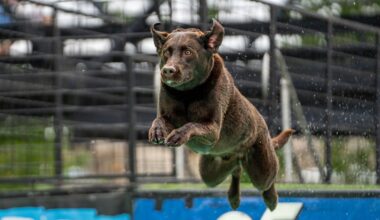
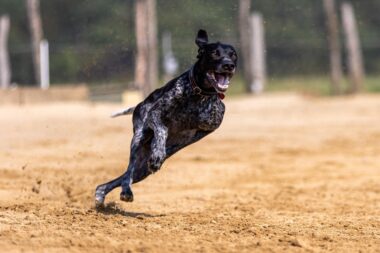
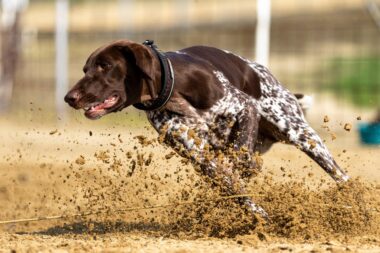
Dog sports are gaining immense popularity, providing not only a platform for competition but also a way for dogs to expend energy and strengthen the bond with their owners. However, with the excitement of competition often comes the risk of injuries. In dog sports such as agility, flyball, and disc dog, dogs are at risk of various injuries that can occur suddenly or develop over time. Common injuries can include ligament tears, muscle strains, sprains, and fractures, all of which can severely impact a dog’s performance and quality of life. Recognizing these injuries early is crucial for effective rehabilitation. Owners should look for signs like limping, reluctance to participate, or changes in behavior after training sessions. Proper assessment by a veterinarian is essential to determine the extent of any injury and develop a tailored rehabilitation program to aid recovery. Just like human athletes, dogs need the right rehabilitation to regain strength and ensure a return to their beloved activities in a safe manner. Now let’s explore the top five injuries commonly seen in dog sports.
1. Ligament Tears
One of the most serious injuries in dog sports is ligament tears, specifically in the cranial cruciate ligament (CCL). This injury tends to happen in high-impact sports where rapid changes in direction are common. When a dog sustains a ligament tear, it can lead to severe pain and instability in the knee joint, making it difficult for them to move without discomfort. Symptoms often include limping, swollen joints, and a reluctance to engage in activities they once enjoyed. Rehabilitation for ligament tears usually involves a combination of rest, controlled exercise, physical therapy, and sometimes surgery, depending on the severity of the tear. The goal of rehabilitation is to strengthen the muscles around the joint to provide better support and stability. Owners must follow a veterinarian-recommended rehabilitation protocol that may include exercises to improve range of motion and decrease pain. Early intervention can significantly improve recovery outcomes. Hence, it’s essential for dog owners to maintain an open line of communication with their vet during this rehabilitation process.
2. Muscle Strains
Muscle strains are another common and painful injury affecting athletic dogs. Just like humans, dogs can overexert themselves during intense activity, causing muscles to stretch or tear. These strains often occur during rapid movements, sudden stops, or awkward landings, usually during agility exercises or running. Signs of a muscle strain may include limping, vocalization when moving, or swelling in specific areas. Rehabilitation for muscle strains typically consists of rest, ice therapy, and then graduated rehabilitation exercises aimed to promote healing and rebuild muscle strength. Controlled stretching and strengthening exercises designed by a certified canine rehabilitation therapist can further aid in smoother recovery. Additionally, it is important for owners to monitor their dog’s progress and modify activity levels as needed based on recovery status. If not properly managed and rehabilitated, muscle strains can lead to chronic conditions that might hinder a dog’s ability to participate in their favorite activities safely. Therefore, proper guidance from veterinary professionals during this recovery phase is crucial.
3. Sprains and Joint Injuries
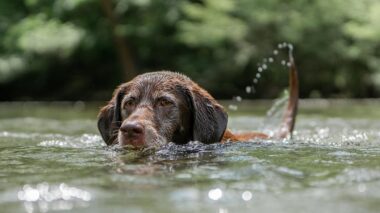
Joint sprains can occur due to overstretching or tearing ligaments surrounding a joint, often common in dog sports requiring agility and speed. Typically, a sprained joint will exhibit symptoms such as swelling and pain that can restrict movement. Dogs participating in sports frequently engage in sudden direction changes, making them susceptible to these injuries. Rehabilitation for sprains focuses on diminishing swelling, alleviating pain, and eventually restoring normal function to the joint. Treatments may involve cold therapy for inflammation, bandaging, and short, controlled mobilization strategies. Gradual reintroduction to activity is crucial to avoid re-injury. Physical therapy modalities, such as laser therapy or hydrotherapy, may also be utilized to enhance recovery and support joint health. Owners should work closely with their veterinarians or rehabilitation specialists to ensure their dog receives a structured plan tailored to their needs. Ultimately, successful rehabilitation of sprains allows dogs to return to their favorite activities and sports with reduced risk of recurring injuries, enhancing their agility and overall performance.
4. Tendon Injuries
Tendon injuries are often overlooked yet can be quite painful and debilitating for dogs engaged in athletic activities. Tendons connect muscles to bones and can suffer strains or ruptures during intense activities, particularly in sports involving high leaps or sprints. Signs of tendon injuries are similar to other injuries, including visible swelling and immediate pain reactions. Rehabilitation for tendon injuries is vital, focusing on managing inflammation at the outset. Cooling and controlled rest can be implemented initially, followed by gradual exercises as prescribed by a veterinary rehabilitation professional. A rehabilitation plan may also include stretching routines, strengthening exercises, and therapeutic modalities to promote healing. Long-term management may necessitate a gradual return to pre-injury activity levels to prevent recurring injuries. Dog owners should be diligent during the rehabilitation period, ensuring they are attentive to their pet’s recovery patterns. Effective rehabilitation is critical not only for healing but also to restore confidence in physical abilities, enabling the dog to return to participating in sports without fear of re-injury.
5. Fractures
Fractures, though not as common as sprains or strains, can occur in high-impact dog sports. They may result from falls, collisions, or accidents during various competitions. Fractures can lead to significant pain, swelling, and immobility, demanding urgent veterinary care. Rehabilitation for fractures is crucial for returning to normal activity. This process may involve immobilization, followed by a gradual increase in weight-bearing activities as healing occurs. After surgery or casting, a veterinarian often recommends physical therapy to develop strength and flexibility in the affected limbs. Dog owners play a key role in following rehabilitation plans to ensure their pet’s safety during the recovery period. Monitoring progress through regular veterinary check-ups helps identify any complications early, ensuring proper healing. The journey of rehabilitation from a fracture can be lengthy, yet with dedication from both the owner and the veterinary team, dogs can often make full recoveries and return to their active sportsity life. This reinforces the importance of understanding each injury’s nuances and the best course for rehabilitation.
In summary, injuries in dog sports can be varied and serious, affecting a dog’s physical and emotional well-being. Recognizing the signs of these injuries is vital for timely intervention and recovery. Rehabilitation plays an integral role in restoring dogs back to their peak performance levels, addressing each injury individually with a tailored approach. With proper veterinary support and adherence to rehabilitation protocols, many dogs can return to their beloved activities safer and stronger. It’s important for dog owners to engage in preventive measures and educate themselves about the risks associated with dog sports. Regular check-ups, safe training practices, proper warm-ups, and preventive conditioning can minimize the risk of injuries occurring. As the popularity of dog sports continues to grow, so does the awareness of proper rehabilitation strategies. By collaborating with veterinary professionals and implementing best practices, dog owners can help their pets thrive in the exciting world of canine sports, ensuring long-term health and an active lifestyle. This commitment not only keeps their competitive spirit alive but also nurtures a fulfilling and enjoyable companionship between dogs and their owners.
In conclusion, addressing injuries suffered during dog sports is essential for preserving a dog’s agility and overall quality of life. Immediate veterinary attention can make a significant difference in injury outcomes, leading to more effective rehabilitation processes. Each type of injury requires specific attention and management strategies. Effective communication between dog owners and veterinary professionals is fundamental in navigating the challenges presented by injuries. By understanding the variety of injuries outlined in this article, owners can take proactive steps to foster a safe environment for their athletic dogs. Rehabilitation plays an essential role in this journey, guiding dogs back to full physical function and enabling them to participate in the sports they love. Engaging in a structured rehabilitation program allows not only for physical healing but also restores confidence in their abilities. Consequently, dogs are more likely to return to their routines successfully and enjoy the thrill sports offer responsibly. Prioritizing injury prevention and recovery means fostering healthy, happy, and long-lived relationships with our canine companions built around sport and play.